ChatGPT’s New Memory Feature: Exploring How ChatGPT’s Ability to Remember and Adapt Enhances User Interactions
Artificial Intelligence (AI) has rapidly evolved, bringing forth innovations that redefine human-computer interaction. Among these advancements, ChatGPT, developed by OpenAI, has introduced a new memory feature that promises to revolutionize user experiences. This article delves into how this memory capability enhances interactions, its implications for various industries, and what the future holds for AI conversational agents.
What is ChatGPT’s Memory Feature?
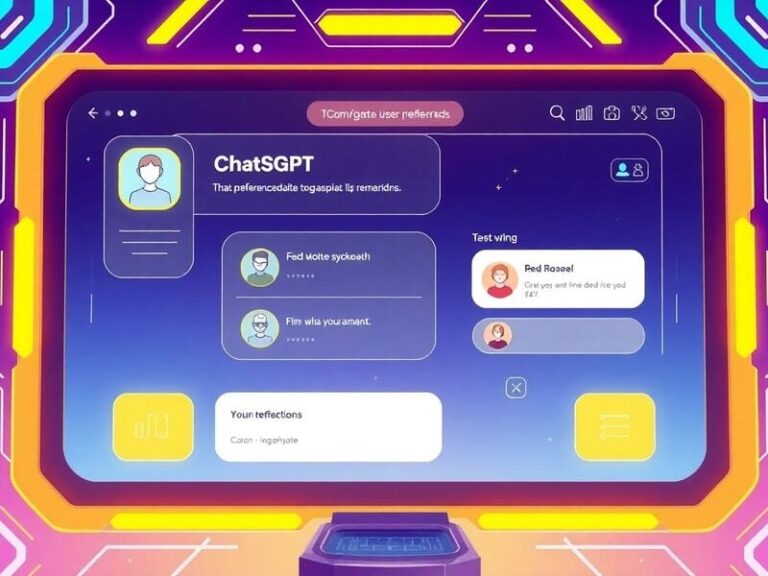
ChatGPT’s memory feature allows the AI to remember past interactions, preferences, and information shared by users across sessions. This functionality enables a more personalized and contextually aware conversation, making interactions feel more natural and engaging.
- Contextual Awareness: The memory feature allows ChatGPT to recall details from earlier conversations, providing contextually relevant responses.
- User Personalization: Users can customize what the AI remembers, tailoring the experience to their individual needs and preferences.
- Adaptive Learning: Over time, ChatGPT can refine its understanding and responses based on user feedback and interactions.
How Does Memory Enhance User Interactions?
Memory transforms the interaction paradigm between users and AI in several significant ways:
- Improved Engagement: By remembering user preferences and previous discussions, ChatGPT can engage in more meaningful conversations. For example, if a user frequently discusses technology trends, the AI can proactively bring up relevant topics in future chats.
- Continuity of Conversations: Users can continue discussions without needing to reintroduce topics or context. This continuity can lead to deeper, more productive interactions.
- Enhanced Problem-Solving: For professional use cases, ChatGPT can remember ongoing projects or issues, providing targeted advice and solutions based on accumulated knowledge.
Industry Implications of ChatGPT’s Memory Feature
The implications of this technology stretch across various industries:
- Customer Service: Businesses can leverage memory to create more personalized customer interactions, improving satisfaction and loyalty. For instance, a customer service chatbot can remember a user’s past purchases and preferences, leading to more tailored recommendations.
- Healthcare: In the medical field, AI could remember patient histories, enhancing the quality of care by providing physicians with relevant information instantly.
- Education: Educational platforms can utilize memory to track students’ progress and preferences, allowing for customized learning experiences that cater to individual needs.
Practical Insights for Users and Developers
As ChatGPT continues to evolve, both users and developers need to consider practical implications:
- Transparency: Users should be informed about what data is being remembered and how it can be managed. This transparency builds trust and encourages users to share more relevant information.
- Data Privacy: Developers must prioritize data privacy and security, implementing robust measures to safeguard user information while still allowing the memory feature to function effectively.
- User Control: Allowing users to manage and delete memories will empower them and enhance their comfort level with the technology.
The Future of AI Interactions with Memory Capabilities
The introduction of memory in ChatGPT is just the beginning. The future of AI interactions holds exciting possibilities:
- Interconnected Systems: As memory features become more sophisticated, we may see interconnected AI systems that share memory across platforms, providing seamless experiences across devices and applications.
- Emotional Intelligence: Future iterations could incorporate emotional intelligence, allowing the AI to respond not just based on facts but also on users’ emotional states, enhancing empathy and understanding in interactions.
- Greater Customization: Enhanced customization options will allow users to define not only what is remembered but also how the AI interacts with them based on their preferences.
Conclusion
ChatGPT’s new memory feature marks a significant leap forward in AI technology, offering a more personalized and engaging user experience. As industries begin to harness this capability, the potential for innovation and improved interactions is immense. For users and developers alike, understanding and adapting to these changes will be crucial in navigating the evolving landscape of AI-driven communication. The future looks promising, and as AI continues to learn and adapt, the possibilities are virtually limitless.