DeepMind Reimagines the Mouse: Enhancing User Interaction and Accessibility through Innovative Pointer Design
In the rapidly evolving landscape of artificial intelligence and technology, user interaction remains a crucial element that shapes how we engage with devices and applications. DeepMind, a subsidiary of Alphabet Inc., is at the forefront of this transformation, particularly with its innovative reimagining of the traditional computer mouse. By leveraging cutting-edge AI technology, DeepMind is enhancing user interaction and accessibility through novel pointer designs, signaling a new era for how we navigate digital environments.
The Evolution of User Interaction
Historically, user interaction with computers has revolved around a few key devices, with the mouse being one of the most prominent. However, the limitations of traditional mouse designs can hinder accessibility for some users, particularly those with disabilities. DeepMind’s approach seeks to address these limitations through advanced AI methodologies that allow for more intuitive and flexible control.
Innovative Pointer Design
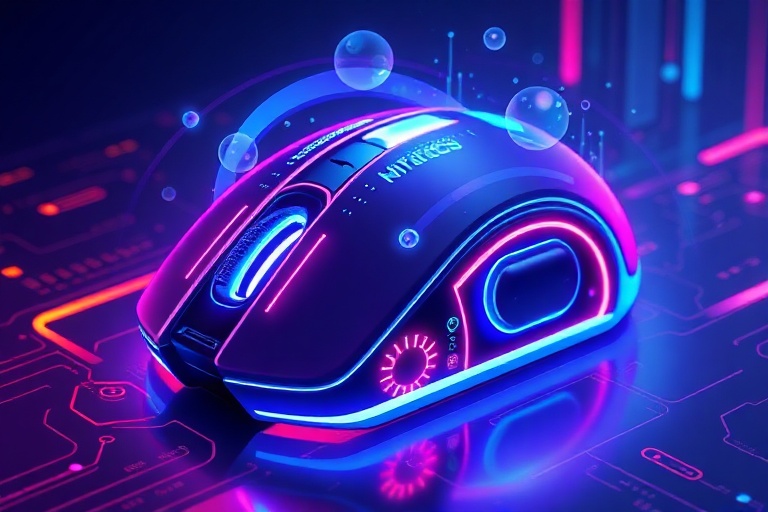
The new pointer design developed by DeepMind incorporates several AI-driven features that enhance usability. Here are some of the key innovations:
- Adaptive Sensitivity: The pointer adjusts its responsiveness based on the user’s speed and movement, allowing for smoother navigation.
- Gesture Recognition: Users can perform gestures to execute commands, reducing the need for multiple clicks and enhancing efficiency.
- Personalization: The system learns individual user preferences and adapts the pointer’s behavior accordingly, ensuring a tailored experience.
- Accessibility Features: Enhanced visual indicators and voice command capabilities make the pointer usable for individuals with varying abilities.
Practical Insights into User Interaction
As AI continues to integrate into everyday technology, the implications for user interaction are profound. Here are some practical insights into how these innovations can impact various sectors:
- Education: In educational settings, adaptive pointers can facilitate more engaging learning experiences for students with disabilities, enabling them to interact with digital content more effectively.
- Gaming: Gamers can benefit from gesture recognition features, allowing for more immersive gameplay and strategic controls.
- Healthcare: Medical professionals can use personalized pointers for quicker navigation of complex software systems, enhancing productivity and reducing errors.
Industry Implications
The introduction of AI-enhanced pointers has significant implications for the tech industry. Companies leveraging this technology can expect:
- Increased User Satisfaction: By providing a more intuitive user experience, companies can boost customer satisfaction and retention.
- Enhanced Accessibility Compliance: Organizations will find it easier to meet accessibility standards, broadening their user base.
- Competitive Edge: Early adopters of this technology may gain a significant advantage in the market by differentiating their offerings.
Future Possibilities
The future of AI-driven user interaction is promising and presents numerous possibilities:
- Integration with Augmented Reality (AR): AI pointers could seamlessly integrate with AR environments, providing users with a more immersive experience.
- Cross-Device Compatibility: Future developments may allow pointers to function across various devices, improving fluidity in user interaction.
- Emotional Recognition: Advanced AI algorithms could enable pointers to respond to users’ emotional states, further personalizing the interaction experience.
As DeepMind continues to innovate, the potential for AI to transform the way we interact with technology is immense. By reimagining the mouse and enhancing accessibility, they are paving the way for a future where technology is more inclusive and intuitive than ever before.
In conclusion, the innovations spearheaded by DeepMind in pointer design illustrate a significant leap forward in user interaction and accessibility. As these technologies become mainstream, we can expect to see profound changes in how individuals engage with digital platforms, ultimately leading to a more inclusive digital world.