AI Drone: Filming and Editing on Its Own
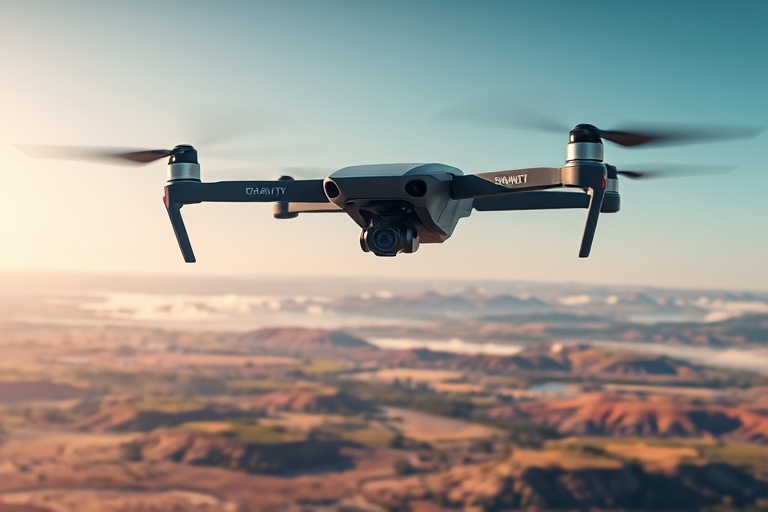
The Antigravity A1 represents a significant leap in drone technology, merging artificial intelligence with cinematic capabilities. This self-editing drone not only captures stunning 8K footage but also employs advanced algorithms to produce polished video content autonomously. In this article, we will explore the capabilities of the Antigravity A1, its implications for various industries, and the possibilities for the future of drone technology.
Unpacking the Antigravity A1’s Features
The Antigravity A1 is at the forefront of innovation, combining high-resolution imagery with intelligent editing features. Here are some of its standout capabilities:
- 8K Video Capture: The A1 boasts cutting-edge camera technology, allowing for ultra-high-definition video quality that enhances visual storytelling.
- AI-Powered Editing: Utilizing machine learning algorithms, the drone analyzes footage in real-time, selecting the best shots and creating seamless transitions.
- Autonomous Flight Modes: The drone can operate in fully autonomous or semi-autonomous modes, adapting to various filming environments and conditions.
- Intelligent Tracking: Advanced computer vision capabilities enable the A1 to track subjects dynamically, ensuring consistent framing and focus.
- Cloud Integration: The captured footage can be uploaded to the cloud for further processing or sharing, streamlining workflows for content creators.
Practical Insights: How the A1 Enhances Filmmaking
The integration of AI in drones like the Antigravity A1 changes the landscape for filmmakers and content creators. Here are some practical insights:
- Time Efficiency: Traditional editing can be time-consuming. The A1’s automatic editing features significantly reduce post-production time, allowing filmmakers to focus on creativity rather than technical tasks.
- Accessibility: With user-friendly interfaces and intelligent automation, even novice users can produce professional-quality videos without extensive training.
- Enhanced Creativity: By handling mundane editing tasks, the A1 frees creators to experiment with new ideas and storytelling techniques.
Industry Implications of AI-Driven Drones
The rise of self-editing drones like the Antigravity A1 has far-reaching implications across various sectors:
- Film and Television: The entertainment industry can leverage these drones for aerial shots and dynamic cinematography, enhancing production quality while reducing costs.
- Real Estate: High-quality video tours captured autonomously can provide potential buyers with immersive property experiences, helping real estate agents stand out in a competitive market.
- Sports Broadcasting: Drones can autonomously follow athletes during events, delivering unique perspectives and exciting footage that traditional cameras may miss.
- Inspection and Surveillance: Industries such as construction and agriculture can utilize AI drones for monitoring and inspection tasks, providing valuable insights while minimizing human risk.
The Future of AI and Drone Technology
Looking ahead, the capabilities of drones like the Antigravity A1 hint at a future where AI becomes an integral part of aerial photography and videography. Here are some possibilities:
- Improved AI Algorithms: As machine learning continues to advance, we can expect even more sophisticated editing techniques that adapt to user preferences and styles.
- Greater Collaboration with Other Technologies: Integration with augmented reality (AR) and virtual reality (VR) could create immersive experiences that blend real-world footage with digital enhancements.
- Expansion into New Markets: Beyond entertainment, AI drones could find applications in education, training, and humanitarian efforts, providing valuable resources in diverse scenarios.
- Regulatory Developments: As drone technology evolves, so too will regulations, potentially opening up new possibilities for commercial use while ensuring safety and privacy.
Conclusion
The Antigravity A1 is a prime example of how AI is transforming the capabilities of drones, making high-quality filmmaking more accessible and efficient. As technology continues to evolve, the implications for various industries are profound, ushering in a new era of creativity and innovation. The future of AI-driven drones looks promising, with endless possibilities for enhancing our visual storytelling capabilities.