From Screen Recordings to Skills: The Evolution of Codex
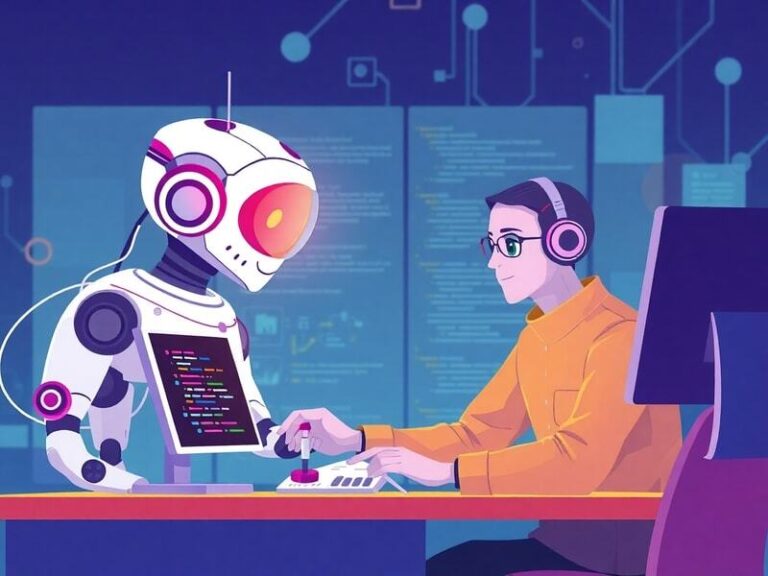
Artificial intelligence has made significant strides in recent years, particularly in the realm of coding and software development. One of the most notable advancements is OpenAI’s Codex, a tool designed to assist developers by learning tasks through observation. Codex is not just a coding assistant; it represents a paradigm shift in how we approach learning and productivity in programming.
Understanding Codex’s Learning Mechanism
Codex learns by analyzing vast amounts of data, including screen recordings of software development tasks. This ability to observe and replicate human actions is key to its functionality. Here’s how Codex processes learning:
- Data Collection: Codex ingests numerous screen recordings and code snippets from various programming environments.
- Pattern Recognition: Through machine learning algorithms, it identifies patterns in coding practices, user interactions, and common problem-solving approaches.
- Task Execution: Codex can execute tasks by generating code based on observed behaviors, allowing it to mimic the actions of experienced developers.
The Practical Insights of Codex
The implementation of Codex in daily workflows brings several practical benefits:
- Increased Productivity: Developers can offload repetitive tasks to Codex, allowing them to focus on more complex problems.
- Learning and Adaptation: Codex continuously learns from new data, ensuring it stays updated with the latest coding trends and languages.
- Accessibility: New developers can improve their skills by observing how Codex solves problems, effectively serving as a virtual mentor.
Industry Implications
The integration of Codex into software development is set to transform various industries:
- Software Development Firms: Companies can enhance their development process by utilizing Codex, reducing the time to market for new applications.
- Education: Codex can be utilized in coding bootcamps and educational institutions, providing real-time feedback and examples for learners.
- Freelancing and Contract Work: Codex can enable freelancers to take on more projects by efficiently managing their workflow and coding tasks.
These implications suggest a future where Codex does not just assist in coding but becomes an integral part of the development ecosystem. Companies that adopt this technology early may gain a competitive edge through enhanced productivity and innovation.
Future Possibilities
Looking ahead, the potential applications of Codex are vast and varied. Here are some exciting possibilities:
- Advanced Problem Solving: As Codex evolves, it may be able to tackle more complex software challenges, moving from simple code generation to comprehensive project management.
- Integration with Other AI Tools: Codex could be integrated with AI tools that specialize in user experience (UX) design or system architecture, creating a more holistic development solution.
- Customization: Developers may have the option to customize Codex’s learning parameters, tailoring it to specific languages or frameworks relevant to their projects.
Moreover, as AI ethics continue to be a focal point of discussion in technology, the responsible use of Codex will be paramount. Understanding the boundaries of automation and human oversight will ensure that technology complements rather than replaces the human element in coding.
Conclusion
The evolution of Codex marks a significant milestone in the intersection of AI and programming. By learning from human actions through observation, Codex not only enhances productivity but also serves as a bridge for emerging developers. As we explore the future of coding with AI, the role of Codex will likely expand, reshaping how we think about software development and our relationship with technology.