Creating Your Own AI-Generated Animated Films: A Step-by-Step Guide
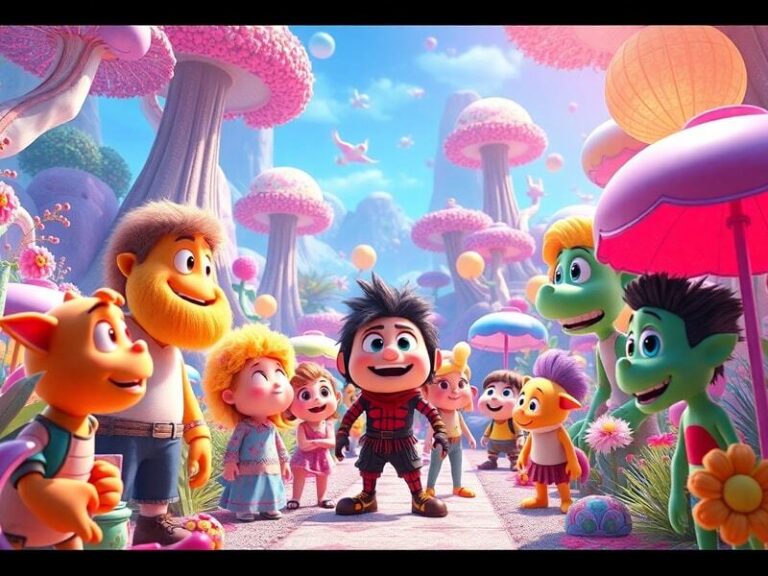
The realm of animated filmmaking is evolving rapidly, thanks to advancements in artificial intelligence (AI) and machine learning. With tools that can generate stunning visuals and sophisticated narratives, anyone with a creative spark can step into the world of animation. This guide will walk you through the process of creating your own AI-generated animated films, from conceptualization to final output, while also exploring the implications and future possibilities of this innovative technology.
Step 1: Concept Development
The first step in creating an AI-generated animated film is to develop a solid concept. This can include:
- Choosing a Genre: Decide on the type of animation you want to create. Options include comedy, drama, fantasy, or educational.
- Crafting a Storyline: Outline the main plot points, characters, and setting. AI tools can assist in generating story ideas based on prompts you provide.
- Defining Characters: Create character profiles that outline their traits, motivations, and relationships.
Step 2: Scriptwriting with AI
Once you have your concept, the next step is to write a script. AI-powered tools like GPT-4 can help you draft dialogues and scenes. Here’s how to leverage AI for scriptwriting:
- Using AI Prompting: Input prompts that describe your characters and plot to get suggestions for dialogue and scene descriptions.
- Editing: Use AI to refine the script. Tools can suggest improvements in dialogue, pacing, and structure.
Step 3: Visual Content Creation
With your script in hand, it’s time to start creating visuals. AI technologies such as DALL-E and MidJourney can generate stunning images based on textual descriptions. Here’s a step-by-step approach:
- Character Design: Use AI to create unique character designs. Describe your characters in detail and let the AI generate visuals.
- Backgrounds and Settings: Input prompts to generate different backgrounds that suit your story’s setting.
- Animation Styles: Decide on an animation style (2D, 3D, stop-motion) and use AI tools specific to that style. For instance, tools like Runway ML can facilitate animation from still images.
Step 4: Voiceovers and Sound Design
Sound is a crucial element in animated films. AI can help you create voiceovers and sound effects:
- Text-to-Speech (TTS): Utilize AI-driven TTS software to generate voiceovers for your characters. Customize accents and tones to match character personalities.
- Sound Effects: Explore AI tools that can generate sound effects based on your script’s context.
Step 5: Editing and Post-Production
Editing is where your animated film comes together. AI can assist in various aspects of the editing process:
- Video Editing Tools: Use AI-powered video editing software to streamline the editing process. Features like auto-cut, color correction, and scene transitions can save you time.
- Feedback Loops: Implement AI tools that analyze your film for pacing, engagement, and coherence, providing suggestions for improvement.
Industry Implications
The rise of AI-generated animated films holds significant implications for the film and entertainment industry:
- Democratization of Content Creation: AI tools lower the barrier to entry for aspiring filmmakers, allowing anyone to create high-quality content regardless of their technical skills.
- New Business Models: As AI tools become more mainstream, new platforms may emerge that allow creators to monetize their work more effectively.
- Creative Collaboration: AI can serve as a collaborator rather than a replacement, inspiring human creativity and offering new avenues for storytelling.
Future Possibilities
As AI technology continues to advance, the future of animated filmmaking looks promising:
- Interactive Storytelling: AI could enable real-time story adjustments based on audience reactions, leading to dynamic viewing experiences.
- Hyper-Personalization: Filmmakers could create personalized content tailored to individual viewer preferences and demographics.
- Enhanced Creativity: Advanced AI could analyze vast amounts of data to suggest innovative narrative structures and artistic styles.
In conclusion, creating your own AI-generated animated films is not only feasible but also an exciting frontier for creativity and storytelling. By harnessing the power of AI, anyone can bring their imaginative visions to life, paving the way for a new era in animation.