Google Photos Introduces One-Tap AI Enhancements: Effortlessly Improve Photo Quality
In a world dominated by digital imagery, the quality of photos is more important than ever. With our reliance on smartphones and social media, capturing the perfect picture is a daily endeavor. Google Photos has recently taken a bold step forward by introducing one-tap AI enhancements, allowing users to effortlessly improve their photo quality with the help of artificial intelligence. This innovation not only enhances user experience but also signifies a larger trend in the intersection of AI and everyday technology.
The Power of AI in Photo Enhancement
Artificial intelligence has transformed numerous industries, and photography is no exception. Google’s new AI features in Photos leverage advanced algorithms to analyze images and apply enhancements automatically. This development offers a glimpse into the future where technology works seamlessly with human creativity.
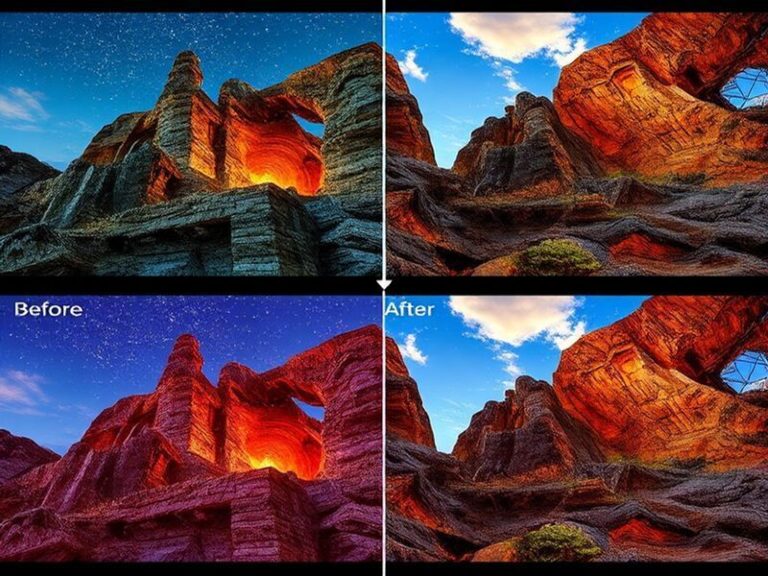
- Automatic Enhancements: With just a tap, users can enhance brightness, contrast, and color saturation, making their photos look professionally edited.
- Smart Suggestions: The AI technology can suggest enhancements based on the context of the photo, ensuring tailored improvements.
- Facial Recognition: Improved facial recognition allows for better adjustments to portraits, focusing on skin tones and expressions.
Practical Insights: How It Works
The functionality behind Google Photos’ one-tap AI enhancements involves complex machine learning algorithms that analyze various aspects of an image:
- Image Analysis: The AI examines the photo’s composition, identifying elements like light, shadows, and colors.
- Learning from Data: The system has been trained on millions of images, allowing it to understand what constitutes an appealing photo.
- Real-Time Processing: Users experience immediate results, as the enhancements occur within seconds, making editing accessible for all.
Industry Implications: A Shift in Photography
The introduction of AI enhancements in Google Photos holds significant implications for the photography industry:
- Democratizing Photography: With one-tap enhancements, amateur photographers can achieve professional results, leveling the playing field.
- Shifting Creative Control: As AI takes over routine adjustments, photographers may focus more on artistic expression rather than technical corrections.
- Emerging Competitors: Other tech companies may feel pressured to innovate in AI-powered editing tools, leading to a surge in competition and advancements.
Future Possibilities: Beyond Enhancement
The future of AI in photo editing extends far beyond simple enhancements. As machine learning evolves, we can anticipate several exciting developments:
- Personalized Filters: Future iterations could offer filters tailored to individual users’ preferences, learning from their past edits and styles.
- Interactive Editing: Users might engage with AI in more interactive ways, receiving real-time feedback as they make adjustments.
- Integration with Other Platforms: Enhanced collaboration tools could allow users to edit and share photos across different social media platforms seamlessly.
Conclusion: Embracing the AI Revolution
Google Photos’ one-tap AI enhancements represent a significant leap in making photo editing accessible and intuitive. By harnessing the power of artificial intelligence, Google is not only improving user experience but also shaping the future of photography. As technology continues to evolve, we can expect even more innovative features that blend creativity with AI, making every snapshot a masterpiece.
For both tech enthusiasts and professionals, the integration of AI in everyday tools like Google Photos marks a pivotal moment in the ongoing journey toward smarter, more personalized technology. Embracing these advancements will undoubtedly open new avenues for creativity and expression in the digital age.