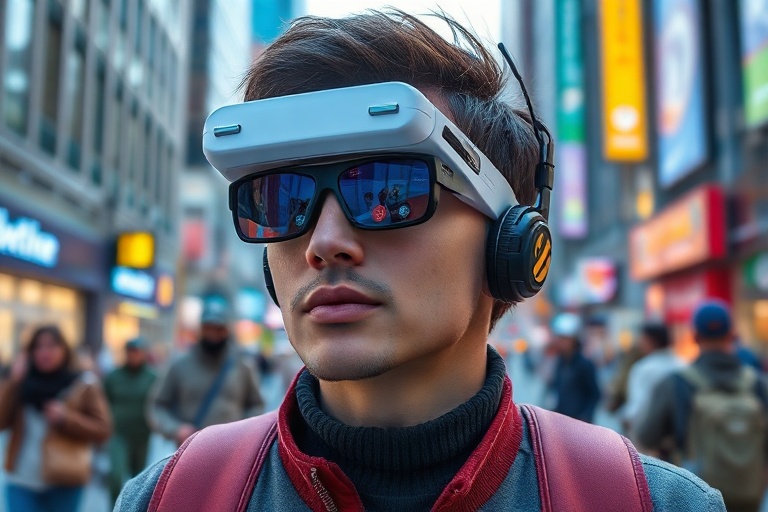
Guide Dog Technology: AI-Powered Glasses for the Visually Impaired
For centuries, guide dogs have been the faithful companions and navigators for individuals with visual impairments. However, as technology evolves, innovative solutions are emerging to replicate and enhance the guidance traditionally offered by these remarkable animals. Among these innovations, AI-powered glasses have begun to take center stage, promising to provide enhanced mobility and independence for the visually impaired. This article explores the workings of this technology, its implications for the industry, and the future possibilities that lie ahead.
Understanding AI-Powered Glasses
AI-powered glasses for the visually impaired leverage a combination of computer vision, machine learning, and real-time data processing to assist users in navigating their environment. These glasses typically incorporate the following features:
- Object Recognition: Utilizing advanced algorithms, the glasses can identify various objects in the user’s vicinity, such as people, obstacles, and traffic signs.
- Navigation Assistance: By integrating GPS and mapping technologies, the glasses can provide auditory directions to help users navigate unfamiliar environments.
- Facial Recognition: Some models can recognize familiar faces, allowing users to identify friends and family even in crowded spaces.
How AI Enhances Guide Dog Capabilities
While guide dogs are irreplaceable companions, AI-powered glasses offer unique advantages that can complement or even surpass some of the traditional skills of guide dogs:
- 24/7 Availability: Unlike guide dogs, which require rest and care, AI-powered glasses are always ready to assist users at any time.
- Data Integration: These devices can integrate real-time data from various sources, including weather updates and public transport schedules, providing a comprehensive navigation experience.
- Customizability: Users can tailor the functionalities of the glasses to their specific needs and preferences, making them a versatile tool for enhancing mobility.
Practical Insights into AI-Powered Glasses
The development and deployment of AI-powered glasses have profound implications for both users and the broader tech industry. Here are some practical insights into their impact:
Accessibility and Independence
One of the most significant benefits of AI-powered glasses is the potential for increased independence among visually impaired individuals. By providing detailed information about their surroundings, users can navigate public spaces with greater confidence. This technology can lead to:
- Enhanced mobility in unfamiliar environments.
- Greater participation in social activities and public events.
- Improved access to employment opportunities, as users can travel independently to their workplaces.
Industry Implications
The rise of AI-powered glasses presents numerous opportunities and challenges across various sectors:
- Healthcare: As healthcare providers recognize the importance of assistive technology, the demand for AI-powered solutions is likely to grow, leading to more research and development in this area.
- Technology: Tech companies are increasingly investing in AI and computer vision technologies, which could foster innovation not only in assistive devices but also in smart glasses for general consumers.
- Education: Educational institutions can leverage AI-powered glasses to create inclusive learning environments, providing students with visual impairments the tools they need to succeed.
The Future of AI-Powered Glasses
Looking ahead, the future of AI-powered glasses for the visually impaired is promising. Here are some key areas of development to watch:
Improved Algorithms and Sensor Technologies
As machine learning algorithms continue to advance, the accuracy of object recognition and navigation assistance is expected to improve significantly. This could lead to:
- More precise identification of complex environments, such as busy urban areas.
- Faster processing times for real-time feedback, enhancing the overall user experience.
Integration with Smart Environments
The integration of AI-powered glasses with smart cities and homes could revolutionize how visually impaired individuals navigate their surroundings. Future glasses may connect with:
- Smart traffic signals that can communicate with the glasses to provide optimal crossing instructions.
- Home automation systems that can assist with indoor navigation and daily tasks.
Broader Acceptance and Adoption
As awareness of AI-powered glasses grows, societal acceptance and adoption are likely to increase. This could lead to:
- Greater advocacy for assistive technologies in public policy.
- Increased funding for research and development in the field of accessibility technology.
AI-powered glasses are not just a technological advancement; they represent a significant leap forward in the quest for accessibility and independence for the visually impaired. By replicating and enhancing the traditional guidance provided by guide dogs, these innovative devices have the potential to reshape lives, industries, and perceptions about disability and technology.