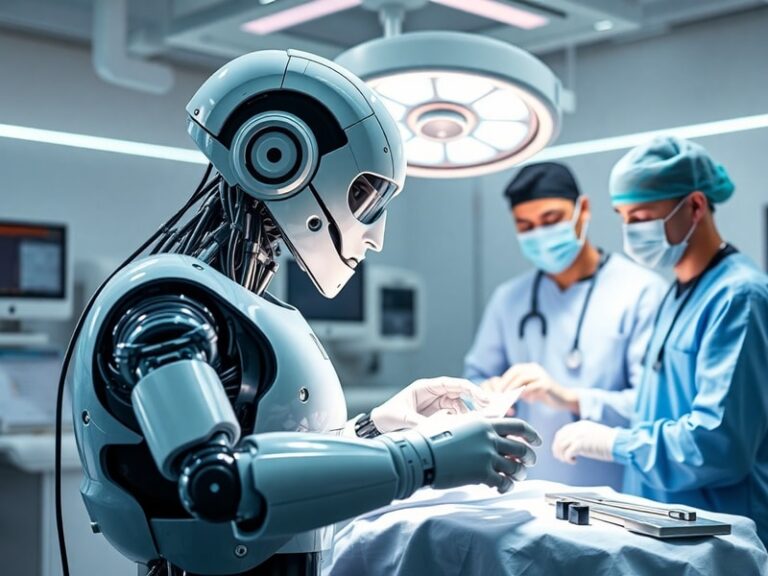
Humanoid Robots Perform Historic Surgery: A Look into the First Successful Surgery Performed by Robots
In an extraordinary leap forward for healthcare technology, humanoid robots have successfully performed surgery for the first time. This historic event marks a significant milestone not only for robotics but also for the future of medicine. With artificial intelligence (AI) and robotic systems increasingly integrated into medical practices, this achievement opens new avenues for surgical precision, efficiency, and patient care.
The Breakthrough: A Detailed Overview
The surgery, which took place at a leading medical facility, involved a routine but complex procedure. The humanoid robot, equipped with advanced AI capabilities, was tasked with performing the operation under the supervision of a skilled surgical team. This integration of human expertise and robotic precision resulted in a successful outcome, demonstrating the potential of robotics in surgical settings.
- Precision: The robot’s ability to execute intricate movements with high accuracy reduces the risk of human error.
- Efficiency: Procedures can be completed more quickly, allowing for a higher turnover of patients.
- Consistency: Robots can replicate the same procedures flawlessly, ensuring uniformity in surgical results.
Implications for the Healthcare Industry
The implications of this breakthrough are profound and multifaceted. As healthcare continues to evolve, the integration of humanoid robots into surgical environments could revolutionize various aspects of patient care:
- Enhanced Surgical Training: Robotics can serve as a training tool for medical students and residents, allowing them to practice and refine their skills in a controlled environment.
- Increased Access: Remote surgeries could become feasible, enabling specialists to operate on patients in underserved areas through telemedicine.
- Reduced Strain on Healthcare Workers: By automating routine surgical tasks, healthcare professionals can focus on more complex aspects of patient care.
Technological Innovations Driving This Change
Several technological advancements have converged to make the successful operation of humanoid robots possible:
- AI Algorithms: Machine learning algorithms allow robots to learn from vast datasets, improving their surgical techniques over time.
- Robotic Dexterity: Advanced actuators and sensors enable robots to perform delicate maneuvers that were once thought to be beyond the reach of machines.
- Real-time Feedback Systems: These systems provide surgeons with immediate data about the robot’s performance, enhancing decision-making during operations.
Challenges and Ethical Considerations
Despite the promising advancements, the rise of humanoid robots in surgery raises several challenges and ethical questions:
- Accountability: Determining liability in the event of a surgical error by a robot could complicate legal frameworks surrounding medical malpractice.
- Patient Acceptance: Many patients may be hesitant to accept robotic assistance in their surgeries, necessitating careful communication and education.
- Job Displacement: The increasing use of robots may lead to concerns about job security for surgical staff, prompting discussions about workforce adaptation.
The Future of Robotics in Healthcare
The successful surgery performed by humanoid robots is just the beginning. As technology continues to advance, the future of healthcare could be radically transformed:
- Personalized Surgery: AI can analyze individual patient data to tailor surgical approaches, leading to better outcomes.
- Integration with Other Technologies: The synergy between robotics, AI, and other emerging technologies like augmented reality could enhance surgical precision and visualization.
- Broader Application: Beyond surgery, robotics could extend into rehabilitation, therapy, and even routine diagnostics.
In conclusion, the first successful surgery performed by humanoid robots signifies a transformative moment for the medical field. This innovation not only showcases the capabilities of AI and robotics but also sets the stage for a future where healthcare is more efficient, precise, and accessible. As we navigate the challenges and ethical considerations that come with this technological evolution, one thing is clear: the future of surgery is here, and it is robotic.