Humanoids Take Over House Cleaning: Exploring the Implications of Robots Cleaning Homes in San Francisco
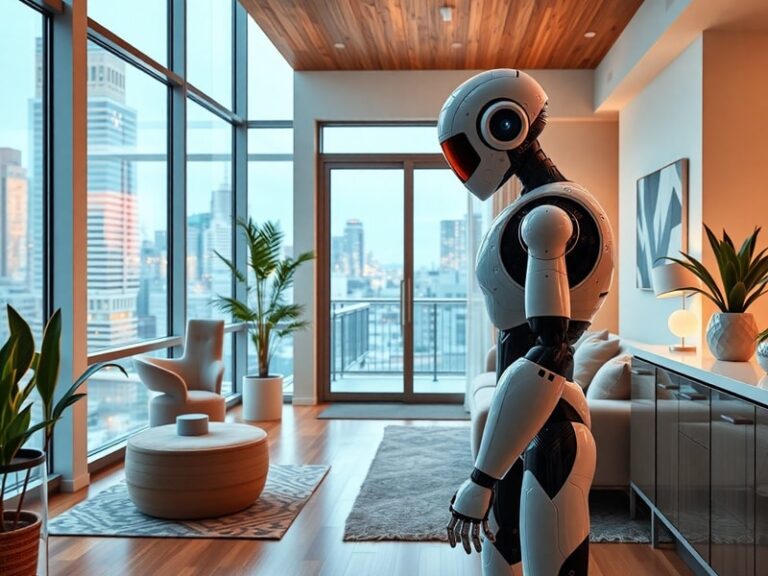
In recent years, the rise of humanoid robots has transformed various sectors, and one of the most intriguing applications is in household cleaning. San Francisco, known for its tech-savvy culture and innovation, is at the forefront of this revolution. As humanoids become increasingly capable of performing domestic chores, it’s essential to explore the implications of this technology, from practical insights to industry impacts and future possibilities.
The Rise of Humanoid Robots in Home Cleaning
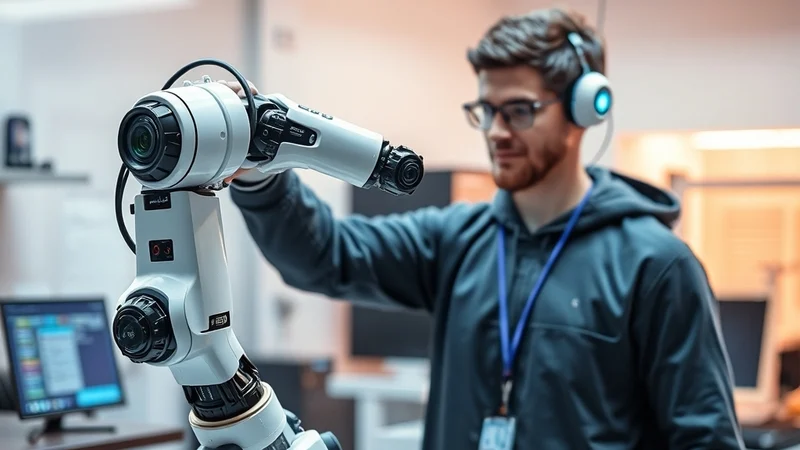
Humanoid robots designed for household cleaning are equipped with advanced AI technologies that allow them to navigate spaces, recognize objects, and interact with their environments. Companies like iRobot and Samsung have made significant strides in developing robots that can sweep, mop, and even do laundry.
- Autonomous Navigation: Utilizing sensors and computer vision, these robots can map out their surroundings and avoid obstacles.
- Machine Learning: As these robots clean, they learn from their experiences, improving efficiency and effectiveness over time.
- User Interaction: Many humanoid cleaners can be controlled via smartphone apps, allowing users to schedule cleaning sessions remotely.
Practical Insights into Humanoid Cleaning Solutions
As humanoid robots become more prevalent in San Francisco homes, several practical insights emerge:
- Time-Saving: With busy schedules, many residents appreciate the time saved by delegating cleaning tasks to robots.
- Consistency: Robots provide consistent cleaning performance, ensuring that homes remain tidy without the variability of human effort.
- Customization: Users can program cleaning preferences, allowing robots to focus on specific areas or tasks.
Moreover, the integration of AI enables these robots to adapt to different cleaning challenges. For instance, some models can adjust their cleaning strategies based on the type of flooring or the level of dirt detected.
Industry Implications of Humanoid Cleaners
The adoption of humanoid cleaning robots has notable implications for various industries:
- Real Estate: Homes equipped with cleaning robots may become more attractive to potential buyers, influencing market trends.
- Service Sector: Cleaning services may need to adapt their business models to incorporate or compete with robotic cleaners, possibly leading to a shift in workforce dynamics.
- Technology Development: Increased demand for humanoid cleaners could fuel advancements in robotics and AI, leading to innovations that extend beyond cleaning.
Challenges and Considerations
Despite the benefits, the integration of humanoid robots in home cleaning raises several challenges:
- Cost: The initial investment for humanoid cleaning robots can be high, potentially limiting access for some homeowners.
- Privacy Concerns: As these robots often utilize cameras and sensors, there are valid concerns regarding data security and privacy.
- Maintenance and Reliability: Regular maintenance is necessary to ensure optimal performance, and there may be concerns about the reliability of these machines over time.
Future Possibilities: A Cleaning Revolution
The future of humanoid cleaning robots appears promising. As AI technology continues to evolve, we can expect several exciting developments:
- Enhanced Interaction: Future robots may feature improved natural language processing, allowing for more intuitive communication with users.
- Multi-Functionality: Beyond cleaning, robots could integrate additional features, such as security monitoring or pet care.
- Collaboration with Other Smart Devices: Humanoid cleaners may work in harmony with other smart home devices, creating a fully automated household ecosystem.
Moreover, as public acceptance grows and prices decrease, it’s likely that humanoid cleaners will become a staple in homes across San Francisco and beyond.
Conclusion
The integration of humanoid robots into household cleaning represents a significant shift in how we manage our living spaces. While the technology is still evolving, its implications for efficiency, industry dynamics, and future innovations are undeniable. As San Francisco leads the charge, it will be fascinating to observe how these technological advancements reshape our homes and lives.