LeCun Challenges Job Loss Fears Associated with AI
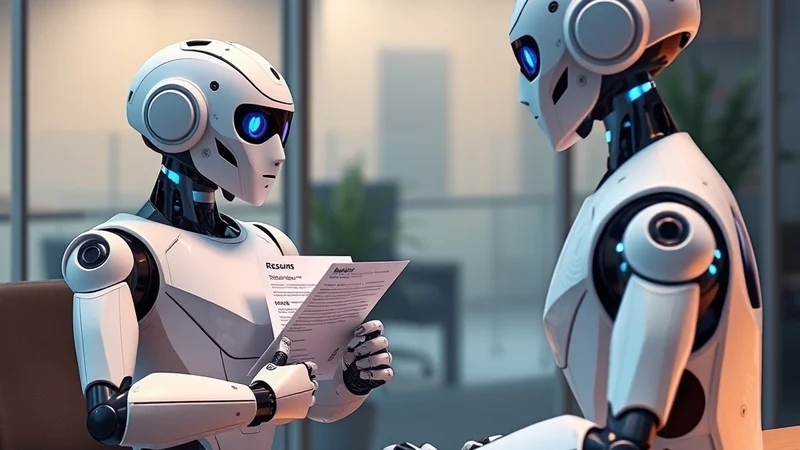
As artificial intelligence (AI) continues to evolve and integrate into various sectors, discussions about its impact on the job market have intensified. Renowned AI pioneer Yann LeCun has stepped into the debate, arguing that fears surrounding significant job losses due to AI are not only exaggerated but also harmful. This article explores LeCun’s insights, practical implications for industries, and future possibilities for the workforce in an AI-driven world.
The Misconception of Job Loss Due to AI
Yann LeCun, the Chief AI Scientist at Meta and a recipient of the Turing Award, highlights a critical point: the narrative surrounding AI and job loss often overlooks the historical context of technological advancements. LeCun asserts that fears regarding automation are not a new phenomenon; rather, they have been a part of the industrial evolution since the advent of machines.
- Historical Context: Technological advancements have consistently transformed job markets. For instance, the Industrial Revolution displaced many manual jobs but also created new opportunities in manufacturing and services.
- AI as a Tool: LeCun emphasizes that AI should be viewed as a tool that enhances human capabilities rather than as a direct replacement for jobs.
- Job Transformation: Instead of outright job losses, AI is likely to transform existing roles, requiring new skill sets and adaptive learning.
Practical Insights into AI’s Role in the Workforce
LeCun’s perspective sheds light on the practical implications of AI in the workforce. While fears of mass unemployment loom large, the reality is that AI can augment human work, leading to increased productivity and new job creation in various sectors.
- Enhanced Productivity: AI can automate repetitive tasks, allowing employees to focus on higher-value activities. In sectors such as healthcare, AI-driven tools can assist in diagnostics, freeing up doctors to spend more time with patients.
- New Job Creation: As AI technologies evolve, so will the demand for skilled professionals. Roles such as AI ethics specialists, data scientists, and AI trainers are expected to emerge, creating a new job landscape.
- Skill Development: Companies must invest in upskilling their workforce. Training programs tailored to equip employees with AI-related skills will be essential for thriving in an AI-enhanced environment.
Industry Implications
The implications of LeCun’s arguments extend across various industries, especially those that are currently experiencing the wave of AI integration. Here are some sectors that can benefit from embracing AI rather than fearing it:
- Healthcare: AI can enhance diagnostic accuracy and patient care, leading to better health outcomes and increased efficiency in healthcare delivery.
- Manufacturing: AI-driven automation can optimize production processes, reduce waste, and improve product quality, ultimately boosting competitiveness.
- Finance: AI tools can analyze vast amounts of data for better decision-making, risk assessment, and fraud detection, allowing financial institutions to operate more effectively.
Future Possibilities: A Collaborative Workforce
Looking toward the future, the potential for a collaborative workforce—where humans and AI work together—is promising. LeCun envisions a scenario where AI enhances human creativity and decision-making rather than replacing it entirely. This vision includes:
- Human-AI Collaboration: The most successful implementations of AI will likely involve collaboration between humans and machines, leveraging the strengths of both.
- Innovation Boost: By automating mundane tasks, AI allows human workers to engage in more innovative and strategic thinking, driving progress in various fields.
- Ethical AI Development: Ensuring AI technologies are developed with ethical considerations in mind will be crucial for fostering trust and acceptance among workers.
Conclusion
Yann LeCun’s insights challenge the prevalent fears surrounding AI and job loss, emphasizing that these concerns are often exaggerated. By understanding AI as a transformative tool rather than a threat, businesses and workers can adapt to the changing landscape. The future workforce will likely see a blend of human capabilities and AI efficiency, leading to enhanced productivity and new job opportunities. Embracing this change and investing in skill development will be key to thriving in an AI-driven world.