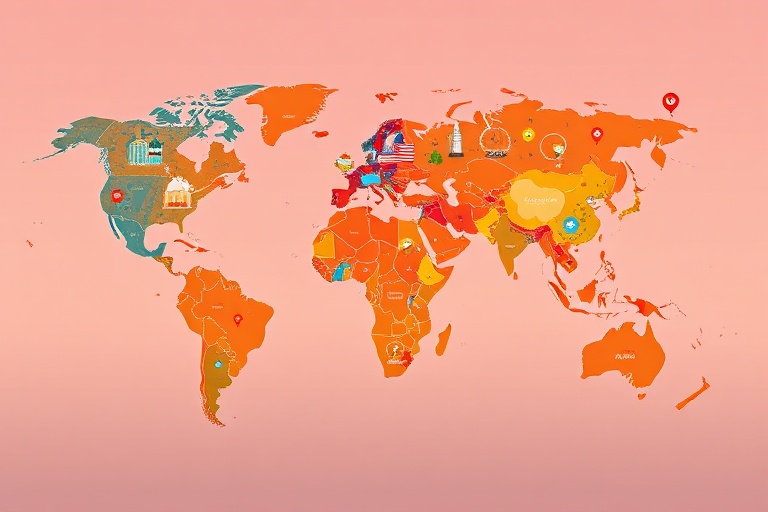
Mapping Global AI Usage: Insights from Google
Artificial intelligence (AI) is rapidly transforming industries and daily workflows worldwide. From improving operational efficiency to enhancing customer experiences, AI’s applications are as diverse as the cultures and economies it touches. In this article, we delve into how AI integrates into daily workflows across various cultures and industries, drawing insights from Google’s extensive research and data.
The Global Landscape of AI Adoption
According to Google, AI adoption varies significantly across regions and sectors, influenced by cultural attitudes, economic conditions, and technological infrastructure. Here are some key observations:
- North America: AI is predominantly utilized in tech and finance, emphasizing automation and data analysis.
- Europe: Companies focus on ethical AI, with regulations shaping how AI is developed and deployed.
- Asia: Rapid adoption in manufacturing and logistics, leveraging AI for efficiency and productivity.
- Africa: Emerging potential in agriculture and health sectors, where AI solutions address local challenges.
Industry-Specific Insights
Different industries leverage AI in unique ways, tailoring solutions to meet specific needs. Here are some notable examples:
- Healthcare: AI enhances diagnostics, predictive analytics, and personalized medicine. For example, AI algorithms analyze medical images to assist in early disease detection.
- Retail: AI-driven recommendation engines personalize shopping experiences, while inventory management systems optimize stock levels based on predictive analytics.
- Manufacturing: Predictive maintenance powered by AI minimizes downtime, and robotics streamline production lines, improving overall productivity.
- Finance: AI algorithms analyze market trends, detect fraudulent transactions, and provide personalized financial advice to clients.
Cultural Impacts on AI Integration
The cultural context significantly influences how AI is perceived and integrated into daily workflows. For instance:
- Trust in Technology: In cultures with a high trust in technology, like Japan, AI adoption is more rapid, resulting in a greater integration into daily life.
- Regulatory Environments: European countries often have stringent regulations surrounding AI, leading to a more cautious approach to implementation.
- Workforce Attitudes: In regions where job displacement due to automation is a concern, AI initiatives focus on augmenting human capabilities rather than replacing jobs.
Practical Insights for Businesses
For businesses looking to harness the power of AI, understanding these global trends is crucial. Here are some practical insights:
- Invest in Training: Upskill employees to work alongside AI technologies, ensuring a smooth transition and maximizing the potential of AI tools.
- Focus on Ethics: Prioritize ethical considerations in AI deployment to build consumer trust and comply with regulations.
- Leverage Local Insights: Tailor AI solutions to address specific cultural and regional challenges, enhancing their effectiveness and acceptance.
Future Possibilities
The future of AI in global workflows is promising, with several emerging trends that could reshape industries:
- Increased Collaboration: AI systems will increasingly collaborate with humans, enhancing decision-making and productivity.
- AI Democratization: As AI tools become more accessible, small and medium enterprises will leverage these technologies, leveling the playing field.
- Enhanced Personalization: AI will enable hyper-personalized experiences in various sectors, from marketing to healthcare, tailored to individual preferences.
- Sustainability Efforts: AI will play a crucial role in addressing climate change, optimizing resource management, and enhancing energy efficiency.
As we move forward, understanding the nuances of AI integration across cultures and industries will be key for businesses aiming to thrive in an increasingly automated world. By embracing these insights and adapting to the evolving landscape, organizations can harness AI’s full potential, driving innovation and ensuring sustainable growth.