Meta’s Muse Spark 1.1: A New Era for AI Agents
In the rapidly evolving landscape of artificial intelligence, Meta has recently introduced a groundbreaking model: Muse Spark 1.1. This innovative approach marks a significant leap forward in the way AI agents operate, particularly in handling complex tasks through a synergistic framework of multiple subagents. The implications of this development extend far beyond mere technological enhancement; they promise to reshape industries and redefine the capabilities of AI in our daily lives.
Understanding Muse Spark 1.1
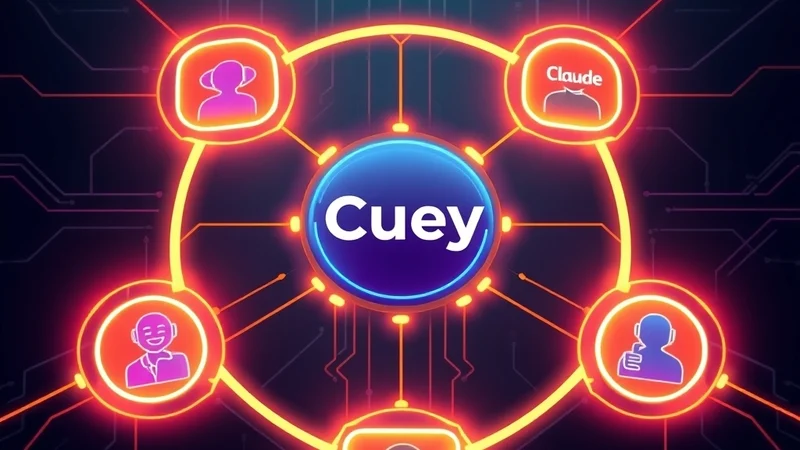
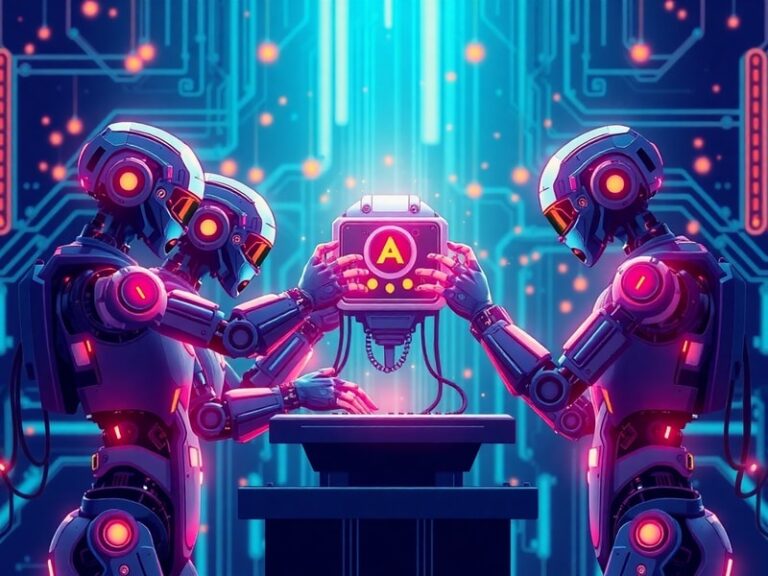
Muse Spark 1.1 is designed to streamline complex tasks by utilizing a network of subagents that can operate in tandem. This architectural shift allows the model to tackle multifaceted problems more efficiently than traditional single-agent systems. Each subagent specializes in a distinct aspect of the overall task, enabling parallel processing and improved performance.
- Modularity: Muse Spark 1.1 is built on a modular framework, allowing developers to customize and optimize specific subagents based on the task requirements.
- Scalability: The model can easily scale with the addition or removal of subagents, making it adaptable to varying complexities.
- Inter-agent Collaboration: Subagents communicate and collaborate with each other, enhancing the overall efficacy of task execution.
Practical Insights for Implementation
The introduction of Muse Spark 1.1 opens up a plethora of opportunities for businesses and developers alike. Here are some practical insights on how this model can be leveraged:
- Enhanced Productivity: By delegating tasks to specialized subagents, organizations can significantly reduce the time needed to complete complex projects, thereby increasing overall productivity.
- Improved Accuracy: Each subagent can focus on its area of expertise, leading to higher accuracy rates in tasks such as data analysis, content generation, and customer interaction.
- Cost Efficiency: Automating intricate tasks with Muse Spark 1.1 can lead to reduced operational costs by minimizing human intervention and associated labor costs.
Industry Implications
The ramifications of Muse Spark 1.1 are vast and varied, affecting numerous sectors:
- Healthcare: AI agents can assist in patient diagnosis and treatment planning by collaborating to analyze symptoms, medical history, and treatment options.
- Finance: In the financial sector, Muse Spark 1.1 can streamline processes like risk assessment and fraud detection through coordinated analysis by subagents.
- Customer Service: Businesses can deploy AI agents to handle inquiries, complaints, and feedback more efficiently, leading to better customer satisfaction.
Future Possibilities
As we look to the future, the potential applications of Muse Spark 1.1 are limitless. Here are a few possibilities:
- Personalized Learning: In education, AI agents can tailor learning experiences to individual students by assessing their strengths and weaknesses through collaborative efforts.
- Smart Cities: Muse Spark 1.1 could contribute to the development of smart cities, where interconnected subagents manage traffic, energy consumption, and public safety.
- Creative Industries: In fields like music and art, AI could create collaborative works that combine various styles and techniques, pushing the boundaries of creativity.
Conclusion
Meta’s Muse Spark 1.1 represents a pivotal moment in the evolution of AI agents. Its ability to streamline complex tasks through multiple subagents not only enhances efficiency and accuracy but also opens new avenues for innovation across various industries. As we embrace this new era of AI, it is essential for professionals and businesses to explore the capabilities of Muse Spark 1.1 and consider how they can leverage this technology to stay ahead in an increasingly competitive landscape.