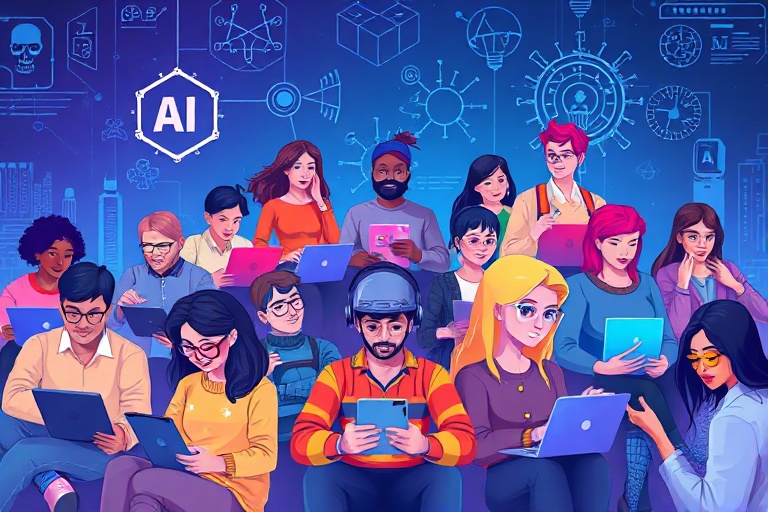
MIT Offers 13 Free AI Courses for Aspiring Learners
In an era where artificial intelligence (AI) is increasingly shaping industries and redefining the job landscape, educational institutions are stepping up to provide accessible learning resources. The Massachusetts Institute of Technology (MIT), a leader in technological innovation, has launched a series of free AI courses designed to demystify the complexities of artificial intelligence and its applications. This initiative aims not only to educate but also to empower individuals from various backgrounds to engage with AI technology.
The Importance of AI Education
As AI continues to evolve, understanding its foundations becomes crucial for both professionals and enthusiasts. The offerings from MIT cater to a wide range of learners, from beginners to those with more advanced knowledge. Here are several reasons why these courses are significant:
- Accessibility: By providing free courses, MIT ensures that anyone with an internet connection can access high-quality educational material.
- Diverse Learning Paths: The courses cover various aspects of AI, allowing learners to choose subjects that align with their interests and career goals.
- Industry-Relevant Skills: The content is designed to equip learners with practical skills that are in demand across multiple sectors.
Overview of MIT’s AI Courses
The 13 courses offered by MIT span a broad spectrum of topics within AI, including machine learning, robotics, and natural language processing. Here’s a closer look at some of the key courses:
- Introduction to Artificial Intelligence: This course offers a foundational understanding of AI principles, including algorithms and data structures.
- Machine Learning: Learners dive into supervised and unsupervised learning techniques, exploring how machines can learn from data.
- Deep Learning for Self-Driving Cars: A specialized course that discusses the application of deep learning in autonomous vehicles.
- Robotic Systems: This course explores the intersection of AI and robotics, focusing on the design and implementation of robotic systems.
- Natural Language Processing: Learners will understand how machines interpret and generate human language, a critical aspect of AI applications.
These courses are structured to provide a blend of theoretical knowledge and practical skills, ensuring that learners can not only understand AI concepts but also apply them in real-world scenarios.
Practical Insights from the Courses
The courses are not just about theory; they include hands-on projects and case studies that reflect current industry practices. Here are some practical insights that learners can expect:
- Real-World Applications: Each course includes case studies that demonstrate how AI is being utilized in various fields, from healthcare to finance.
- Project-Based Learning: Learners engage in projects that require them to apply what they’ve learned, reinforcing their understanding through practical experience.
- Collaboration Opportunities: Some courses encourage group projects, fostering a collaborative learning environment that mirrors industry teamwork.
Industry Implications of AI Education
The availability of these courses has significant implications for various industries:
- Talent Development: By training a workforce skilled in AI, companies can drive innovation and remain competitive in an increasingly digital economy.
- Enhanced Problem-Solving: Professionals equipped with AI knowledge can leverage technology to solve complex business challenges more effectively.
- Informed Decision Making: Understanding AI can help leaders make strategic decisions about technology investments and implementation.
Future Possibilities with AI Education
As the landscape of AI continues to evolve, the future holds exciting possibilities for individuals who engage with these educational resources:
- Career Advancement: Knowledge of AI can open doors to new career opportunities in tech-centric roles across industries.
- Entrepreneurial Ventures: Aspiring entrepreneurs can use their AI knowledge to innovate and launch startups that address market needs.
- Continuous Learning: The rapid pace of technological advancement means that continuous learning will be essential for staying relevant in the job market.
In conclusion, MIT’s initiative to offer free AI courses is a commendable step towards democratizing access to valuable educational resources. With the right tools and knowledge, aspiring learners can navigate the complexities of artificial intelligence, positioning themselves at the forefront of this transformative technology.