The Impact of AI Tutors on Student Retention Rates
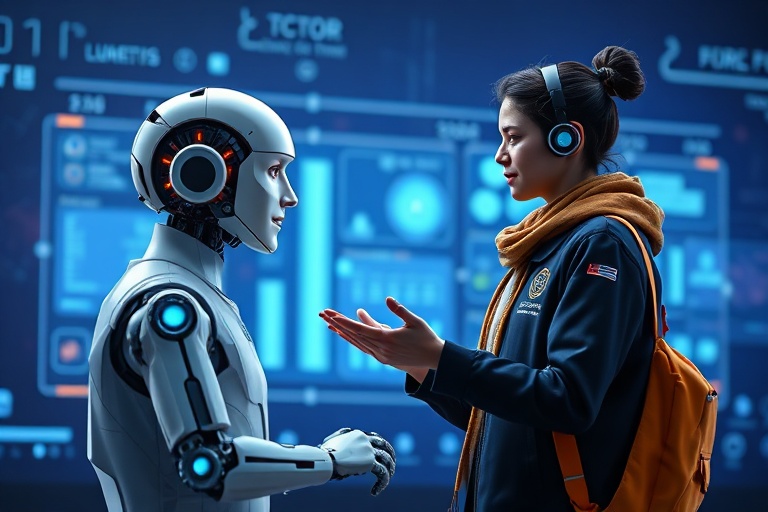
As educational institutions increasingly adopt artificial intelligence (AI) tools, the concept of AI tutors has emerged as a revolutionary approach to enhancing learning experiences. AI tutors are designed to provide personalized instruction, support, and feedback, thereby potentially increasing student retention rates. However, the effectiveness of these systems often hinges on the role of human interaction in educational settings. This article delves into the impact of AI tutors on student retention rates, exploring the delicate balance between technology and human guidance.
Understanding AI Tutors
AI tutors utilize algorithms and machine learning techniques to analyze student performance and tailor educational content accordingly. These systems engage students by providing:
- Personalized Learning Experiences: AI tutors adapt the curriculum to fit individual student needs.
- Real-Time Feedback: Students receive immediate responses to their queries, enhancing their learning journey.
- Scalable Support: AI can assist a large number of students simultaneously, allowing for greater reach in educational settings.
While these features present significant advantages, the question remains: how does human interaction influence the efficacy of AI tutors in maintaining student engagement and improving completion rates?
The Role of Human Interaction
Research indicates that while AI tutors can significantly enhance learning, the absence of human interaction can lead to diminished educational outcomes. Here are some factors to consider:
- Emotional Support: Human instructors provide emotional encouragement that AI cannot replicate. Students often thrive in environments where they feel supported.
- Social Learning: Interaction with peers and educators fosters a collaborative learning atmosphere, leading to improved retention.
- Motivation and Accountability: Human tutors can inspire students to stay committed to their learning goals, while AI systems may lack the ability to motivate effectively.
Practical Insights from Current Implementations
Several educational institutions have already begun integrating AI tutors into their curricula, yielding valuable insights:
- Hybrid Learning Models: Combining AI tutoring with traditional teaching methods has shown promising results. Students benefit from both AI’s personalized approach and the motivational aspects of human interaction.
- Data-Driven Insights: Institutions utilizing AI can gather extensive data on student performance, which can be analyzed to identify at-risk students and intervene proactively.
- Enhanced Accessibility: AI tutors can help bridge educational gaps, offering support to students who may not have access to quality human instructors.
Industry Implications
The integration of AI tutors in education is reshaping not just how we teach, but also how we understand student retention:
- Increased Investment: As more institutions witness the benefits of AI tutors, there is likely to be an uptick in investment in educational technology.
- Policy Development: Policymakers may need to draft regulations that govern the use of AI in education, ensuring that human oversight remains a key component.
- Job Transformation: The role of educators may evolve, with teachers taking on more of a mentorship role, focusing on emotional and social learning rather than solely on content delivery.
Future Possibilities
Looking ahead, the future of AI tutors in education is filled with both challenges and opportunities:
- Enhanced AI Capabilities: As AI technology continues to advance, we can expect more sophisticated tutoring systems that can better emulate human interaction.
- Integration of Emotional AI: Future AI tutors may incorporate emotional intelligence to better understand and respond to student needs, thereby improving engagement.
- Global Learning Platforms: The development of AI tutors could lead to more accessible education worldwide, helping to democratize learning opportunities.
Ultimately, the successful implementation of AI tutors will depend on striking a balance between advanced technology and essential human interaction. As educators and technologists work together, they can create learning environments that not only enhance retention rates but also ensure that students feel connected, supported, and motivated in their educational journeys.