Humanoids Take Over House Cleaning: Discover How Robotic Humanoids Are Revolutionizing Domestic Chores in San Francisco
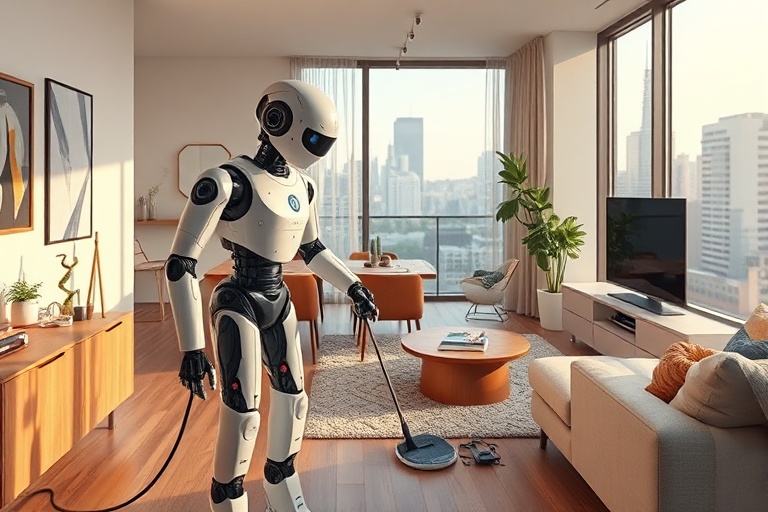
In the bustling tech hub of San Francisco, a new wave of innovation is transforming the way we approach domestic chores. Robotic humanoids, equipped with advanced artificial intelligence (AI) and machine learning capabilities, are stepping into homes to assist with cleaning tasks. These sophisticated machines are not just a glimpse into a futuristic lifestyle; they are becoming increasingly practical and accessible for everyday users.
The Rise of Robotic Humanoids
The concept of humanoid robots has been around for decades, but recent advancements in technology have propelled them into practical applications. In San Francisco, several startups and established companies are developing robots designed specifically for household cleaning. These robots integrate various technologies, including:
- Computer Vision: Enabling robots to navigate and identify different objects in their environment.
- Machine Learning: Allowing robots to learn from their experiences and improve over time.
- Natural Language Processing (NLP): Facilitating seamless interaction between humans and robots.
With these capabilities, robotic humanoids can perform tasks ranging from vacuuming and mopping to organizing clutter, significantly reducing the time and effort required for household maintenance.
Practical Insights: How These Robots Work
The functionality of robotic humanoids in house cleaning is a remarkable blend of hardware and software. Here’s a breakdown of how these systems operate:
- Mapping: Using sensors and cameras, the robot creates a detailed map of the home to understand its layout.
- Task Planning: The AI analyzes the most efficient cleaning routes and prioritizes areas based on user preferences or detected dirt levels.
- Execution: Once the planning is complete, the robot begins cleaning, using its various tools—like brushes and mops—to perform tasks autonomously.
- Feedback Loop: After each cleaning session, the robot updates its map and refines its algorithms based on the efficiency of its performance.
This level of sophistication not only enhances cleaning efficiency but also provides a personalized experience for users. Homeowners can adjust settings via mobile applications, making this technology highly adaptable to varying household needs.
Industry Implications
The integration of humanoid robots into domestic settings signifies a significant shift in both the technology industry and consumer habits. Here are some key implications:
- Job Displacement vs. Job Creation: While some fear that robotic cleaners may replace traditional housekeeping jobs, these robots can also lead to new opportunities in tech support, maintenance, and development roles.
- Market Growth: As demand for home automation rises, more companies are investing in the development of robotic cleaning solutions, contributing to a booming market.
- Technological Accessibility: With prices gradually decreasing, these humanoids are becoming accessible to a broader audience, potentially reshaping the consumer electronics landscape.
Future Possibilities
As the technology continues to evolve, the future of robotic humanoids in house cleaning looks promising. Consider the following possibilities:
- Enhanced Interaction: Future robots may feature advanced NLP capabilities, allowing for more natural conversations with users, thereby improving user experience.
- Collaboration with Smart Homes: Integration with other smart home devices could create a seamless cleaning experience, where robots communicate with other appliances for optimal performance.
- Eco-Friendly Cleaning Solutions: Innovations may lead to robots that utilize sustainable cleaning materials, promoting environmentally friendly practices in households.
Moreover, as AI continues to progress, these humanoids could evolve to handle more complex tasks beyond cleaning, such as minor repairs or even companionship roles.
Conclusion
The rise of humanoid robots for house cleaning in San Francisco marks a pivotal moment in the intersection of technology and daily life. These innovations not only streamline household chores but also pave the way for a future where technology plays an integral role in enhancing our quality of life. As we witness these advancements, it is essential to consider both the opportunities and challenges they present, ensuring that as we embrace the future, we do so responsibly.