NVIDIA CEO Predicts Massive AI Compute Demand: The Need for a 1,000x Increase in Computing Power for the Next Generation of AI Applications
As artificial intelligence (AI) continues to evolve, the demand for computing power is skyrocketing. Jensen Huang, CEO of NVIDIA, recently highlighted a staggering prediction: the next generation of AI applications will require a 1,000x increase in computing power. This bold statement has sent ripples through the tech community, sparking discussions about the implications for industries reliant on AI and the infrastructure needed to support such growth.
The Current Landscape of AI Computing
AI technologies are already transforming various sectors, including healthcare, finance, autonomous vehicles, and much more. However, as algorithms become more sophisticated and data volumes continue to expand, the limitations of current computing architectures are becoming evident. Huang’s prediction underscores a critical challenge that the industry must address: how to scale computing resources effectively.
- Deep Learning Models: These models, which underpin many AI applications, are becoming increasingly complex, requiring vast amounts of data and processing power.
- Real-Time Data Processing: Industries such as finance and healthcare need real-time analytics, demanding even more computational resources.
- Increased AI Adoption: As more businesses integrate AI into their operations, the competition for computing power intensifies.
Industry Implications of Increased Compute Demand
The demand for enhanced computing capabilities presents both challenges and opportunities across different sectors.
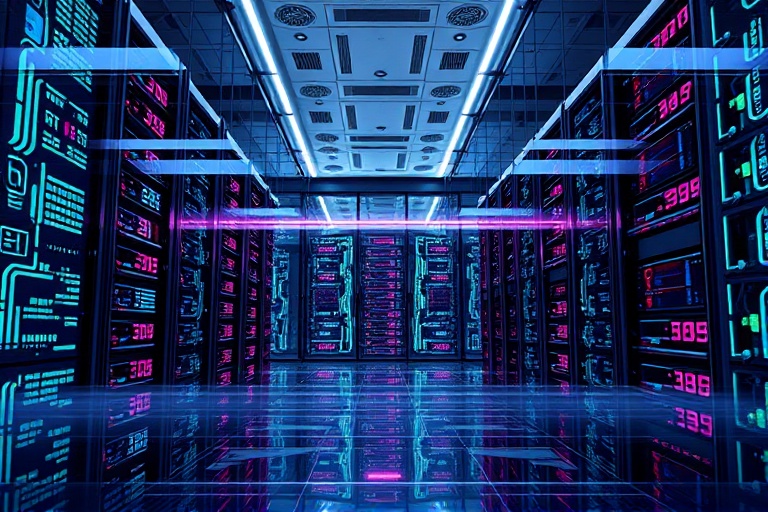
- Infrastructure Development: There will be a pressing need for more sophisticated data centers equipped with advanced GPUs and AI-specific hardware. This shift could lead to increased investment in cloud computing and edge computing resources.
- Energy Consumption: With greater compute power comes higher energy demands. This raises questions about sustainability and the environmental impact of large-scale AI deployments.
- Innovation in AI Algorithms: To optimize performance, there will be a need for more efficient algorithms that can deliver results without an equal increase in computational resources.
Practical Insights for Businesses
For businesses looking to leverage AI, understanding the implications of Huang’s prediction is essential. Companies must prepare for the future by considering the following:
- Invest in AI Skills: Building an in-house team with the necessary expertise in AI and machine learning will be crucial to navigate the evolving landscape.
- Optimize Existing Infrastructure: Evaluate current computational resources and explore ways to improve efficiency, including upgrading hardware or migrating to the cloud.
- Collaborate with Technology Partners: Form alliances with tech companies specializing in AI hardware and software to stay at the forefront of technological advancements.
The Future of AI Applications
As we look towards the future, the implications of a 1,000x increase in compute demand are profound. Here are a few potential developments that could arise:
- Enhanced Natural Language Processing: With increased computing power, NLP models will become more nuanced, improving human-computer interaction.
- Advanced Predictive Analytics: Industries will leverage AI for better forecasting, leading to improved decision-making and strategic planning.
- Revolutionized Healthcare: AI-driven diagnostics and personalized medicine could become mainstream, transforming patient care and outcomes.
The Road Ahead
While Huang’s prediction may seem daunting, it is also a call to action for the tech community. The convergence of AI and computing power represents a pivotal moment in technological history. Stakeholders across industries must collaborate to devise innovative solutions that can meet the anticipated demand.
As we stand on the brink of this new era, the potential for AI to reshape our world is immense. By embracing the challenges and opportunities ahead, we can ensure that the next generation of AI applications is not just a vision but a reality that profoundly impacts our lives.