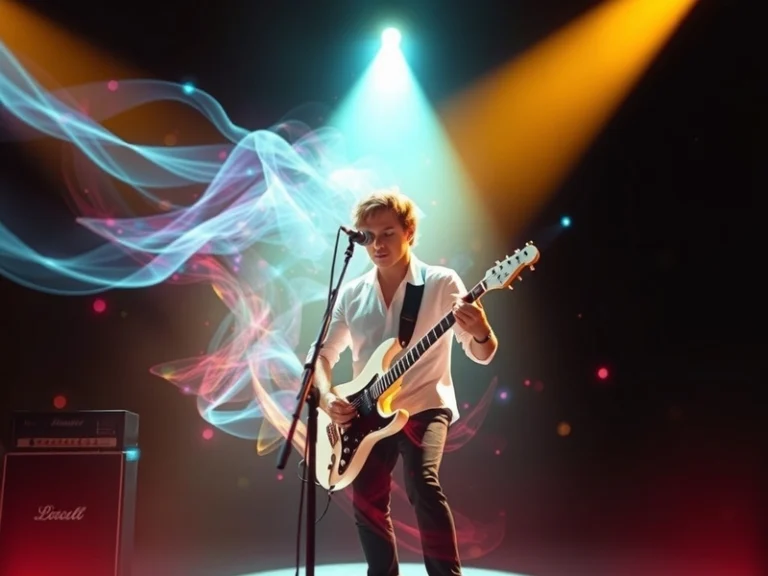
OpenArt is enhancing music creation workflows by offering an AI-powered platform designed to automate music video production, providing artists with a streamlined and accessible route to visual content.
For decades, the music video has been an indispensable component of an artist’s promotional strategy, a visual extension of their sonic identity. However, producing a professional-grade music video traditionally involves significant financial investment, extensive logistical planning, and a diverse team of specialists, from directors and cinematographers to editors and visual effects artists. These barriers have historically limited high-quality visual accompaniment to artists with substantial label backing, leaving independent musicians and emerging acts at a significant disadvantage in competing for audience attention in a visually-driven digital world.
OpenArt’s approach directly addresses these challenges by leveraging advancements in generative artificial intelligence. The platform aims to transform an artist’s audio track and conceptual prompts into dynamic visual narratives, significantly reducing the cost and time associated with traditional video production. This democratization of access to professional-quality visuals enables a broader spectrum of artists to compete visually in a crowded digital landscape, fostering greater creative independence.
How AI is Streamlining Visual Production
The core of OpenArt’s offering lies in its ability to interpret various inputs and translate them into coherent visual sequences. While specific technical implementations can vary between platforms, the general principles often involve a sophisticated interplay of AI models:
- Audio Analysis: AI models can analyze the rhythm, tempo, mood, and instrumentation of a music track. This deep analysis informs the pace of visual cuts, transitions, and the overall emotional tone of the generated video, ensuring the visuals resonate with the sonic narrative.
- Text-to-Video Generation: Artists can input textual descriptions of desired scenes, themes, or visual styles. Leveraging large language models and diffusion models, the AI can then generate corresponding video clips or sequences that match these prompts, creating bespoke visual content from written ideas.
- Image-to-Video Transformation: Users might upload still images, album art, or specific visual assets. The AI can then animate these static elements, apply motion to them, or integrate them seamlessly into a larger video narrative, often maintaining a consistent artistic style.
- Style Transfer and Effects: AI can apply various artistic styles to generated footage, mimicking different artistic movements, painting styles, or cinematic looks, all configurable by the artist to match their aesthetic vision.
- Synchronization: A critical aspect for music videos is the precise synchronization of visuals with the audio track. This includes advanced beat detection for visual pulses and rhythmic effects, as well as potential lip-syncing capabilities for vocal performances, where applicable, ensuring a cohesive audio-visual experience.
This automated process allows artists to experiment with different visual concepts rapidly, iterate on ideas, and produce multiple versions of a video without incurring prohibitive costs for each revision. Instead of weeks or months, a foundational visual concept can be realized in a fraction of the time, allowing artists to maintain momentum in their release cycles and react quickly to trends.
Impact on the Music Industry
The rise of AI-powered video generation tools like OpenArt has several profound implications for the music industry:
- Empowerment of Independent Artists: The most immediate beneficiaries are independent musicians who can now produce compelling visual content without needing a record label’s budget or extensive resources. This levels the playing field, allowing their music to stand out visually on platforms like YouTube, TikTok, and Instagram.
- Creative Exploration: Artists gain unprecedented freedom to explore highly experimental or abstract visual concepts that might be too complex or expensive to produce conventionally. The AI acts as a creative partner, interpreting and realizing imaginative ideas that might otherwise remain conceptual.
- Faster Content Cycles: In an era where continuous content creation is key to audience engagement, AI-generated videos enable artists to release visuals more frequently, supporting singles, album tracks, or even short promotional clips and teasers.
- Reduced Production Costs: By automating many labor-intensive aspects of video production, these platforms drastically cut down on expenses related to crew, equipment rental, location scouting, and extensive post-production editing, making high-quality visuals more financially viable.
While AI tools offer immense potential, they also introduce new considerations. The artistic direction and unique vision remain firmly with the human artist; the AI serves as an execution engine, translating that vision into reality. The challenge for platforms like OpenArt is to provide enough creative control and customization options to ensure that the generated output truly reflects the artist’s intent and doesn’t fall into generic or repetitive visual patterns. The goal is augmentation, not replacement, of human creativity.
The integration of generative AI into creative industries is still evolving, but its application in music video production marks a significant shift. Companies like OpenArt are not just offering a tool; they are redefining what’s possible for visual storytelling in music, making it more accessible, efficient, and creatively expansive for artists worldwide.