Real-Time Language Learning with AI Tutors: Enhancing Conversational Skills and Vocabulary Retention
In recent years, the landscape of language learning has been dramatically transformed by advancements in artificial intelligence (AI). Traditional methods, which often involve textbooks and classroom settings, are being augmented—and in some cases, replaced—by innovative AI-driven tools that offer personalized learning experiences. These tools not only enhance conversational skills but also improve vocabulary retention, making language learning more effective and engaging.
The Role of AI in Language Learning
AI-powered language learning tools leverage machine learning algorithms and natural language processing (NLP) to create personalized language experiences. By analyzing a learner’s progress and preferences, these tools can adapt lessons in real-time, offering targeted practice and feedback. Here are some key functionalities of AI in language learning:
- Personalized Learning Paths: AI tutors can assess an individual’s proficiency level and adapt content accordingly, ensuring that learners are challenged without feeling overwhelmed.
- Instant Feedback: Real-time corrections and suggestions help learners make adjustments immediately, which is crucial for effective language acquisition.
- Conversational Practice: AI chatbots provide opportunities for speaking and listening practice, simulating real-world conversations.
- Gamification: Incorporating game-like elements makes learning fun and motivates learners to improve their skills.
Enhancing Conversational Skills
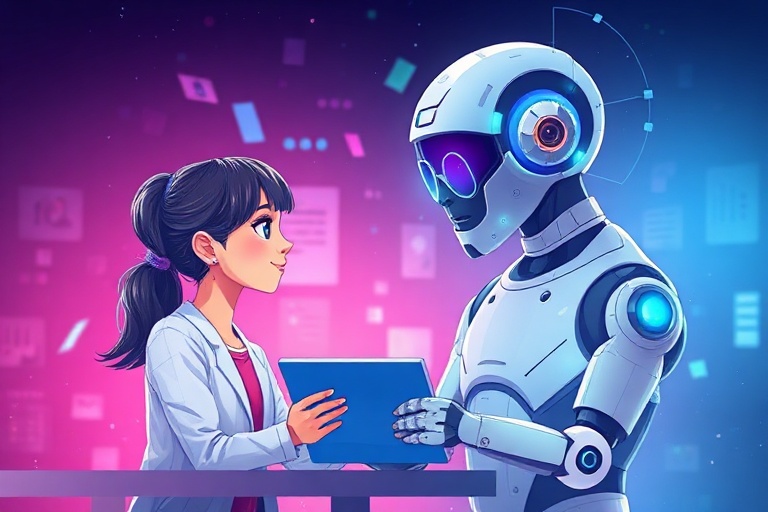
Conversational skills are critical in language mastery, and AI tools are uniquely positioned to enhance these skills. Through interactive dialogues and conversation simulations, learners can practice speaking in a risk-free environment. Here are several ways AI tutors facilitate conversational skill development:
- Role-Playing Scenarios: AI-driven platforms can create role-playing scenarios that mimic real-life situations, allowing learners to practice vocabulary and phrases relevant to specific contexts.
- Voice Recognition: Advanced voice recognition technology enables learners to speak into the application and receive feedback on pronunciation, intonation, and fluency.
- Adaptive Conversations: AI tutors can adjust the complexity of conversations based on the learner’s proficiency, gradually introducing more advanced vocabulary and grammatical structures.
Vocabulary Retention Techniques
While conversational skills are essential, retaining vocabulary is equally important for language learners. AI-driven tools employ various strategies to enhance vocabulary retention:
- Contextual Learning: AI systems can present new words within context, helping learners understand their meanings and usage more effectively.
- Spaced Repetition: This technique involves revisiting vocabulary at strategically spaced intervals, which has been shown to improve long-term retention.
- Interactive Quizzes: Engaging quizzes and flashcards provide learners with opportunities to test their knowledge and reinforce vocabulary.
Industry Implications
The rise of AI-driven language tools has significant implications for various industries:
- Education: Schools and universities can implement AI tools to supplement traditional language courses, providing a hybrid model that meets the needs of diverse learners.
- Corporate Training: Businesses can leverage AI language tools to enhance employees’ communication skills, especially in multinational companies where language barriers can impede collaboration.
- Travel and Tourism: As global travel resumes, language learning tools can prepare travelers to communicate effectively, enhancing their experiences abroad.
Future Possibilities
The future of AI-driven language learning is promising, with several exciting possibilities on the horizon:
- Advanced Emotion Recognition: Future AI tools may incorporate emotion recognition technology, allowing them to adjust responses based on the learner’s emotional state, potentially leading to more effective learning experiences.
- Augmented Reality (AR) Integration: By combining language learning with AR, learners could practice languages in real-world settings, enhancing contextual understanding.
- Continual Learning: As AI algorithms improve, they will become even more adept at personalizing learning experiences, leading to faster and more efficient language acquisition.
In conclusion, AI-driven language learning tools are revolutionizing the way individuals acquire new languages. By enhancing conversational skills and improving vocabulary retention, these innovative technologies are making language learning accessible, engaging, and effective. As AI continues to evolve, the future holds even greater potential for personalized, real-time language education.