Snap Integrates AI Agents into Ads: Enhancing Advertising Effectiveness through AI-driven Recommendations
In the fast-evolving landscape of digital advertising, brands are constantly seeking innovative solutions to capture consumer attention and drive conversions. With the recent integration of AI agents into Snap’s advertising platform, the potential for AI-driven recommendations within chat functionalities presents a new frontier for enhancing advertising effectiveness. This article explores the implications of this technological advancement, practical insights for marketers, and future possibilities in the realm of AI-enhanced advertising.
The Power of AI in Advertising
Artificial intelligence has transformed various industries, and advertising is no exception. By leveraging machine learning algorithms and data analytics, brands can now create more personalized and engaging advertisements. Here are some ways AI is reshaping the advertising landscape:
- Personalization: AI enables advertisers to tailor messages based on individual user preferences and behaviors, resulting in a more relevant experience.
- Predictive Analytics: Machine learning models can analyze historical data to forecast consumer behavior, allowing brands to optimize their advertising strategies.
- Dynamic Content Creation: AI tools can generate ad content that adapts in real-time to audience reactions and preferences.
Snap’s Innovative Approach
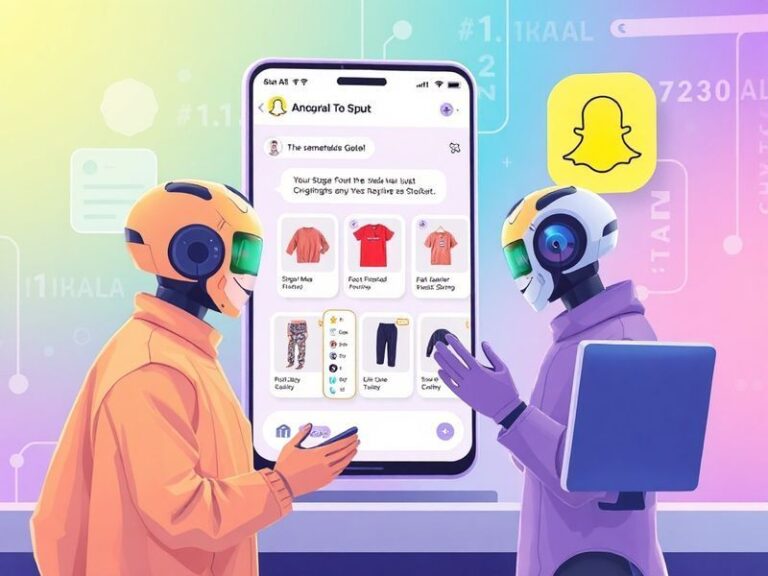
Snap’s integration of AI agents into its advertising platform marks a significant leap forward in how brands can engage with consumers. By utilizing AI-driven recommendations within chat functionalities, Snap offers a unique blend of interactive and personalized advertising experiences. This feature allows users to receive tailored product suggestions while engaging in conversations, ultimately leading to higher conversion rates.
How AI-driven Recommendations Work
The AI agents embedded in Snap’s ads utilize natural language processing (NLP) to understand user inquiries and preferences. When a user interacts with an ad, the AI analyzes the conversation and provides relevant product suggestions based on the context. Here’s how this process enhances advertising effectiveness:
- Contextual Understanding: By interpreting the conversation, AI agents can suggest products that align with the user’s current interests.
- Real-Time Engagement: Instant recommendations keep users engaged, reducing the likelihood of them leaving the conversation prematurely.
- Data-Driven Insights: The continuous learning capabilities of AI allow for improved recommendations over time, as the system becomes more knowledgeable about user preferences.
Practical Insights for Marketers
For marketers aiming to leverage Snap’s AI-driven recommendations, several strategies can enhance campaign effectiveness:
- Utilize Rich Data: Collect and analyze data from previous interactions to inform AI training and improve recommendation accuracy.
- Test Variations: Experiment with different conversational approaches within ads to identify which styles resonate most with audiences.
- Focus on User Experience: Ensure that the chat experience is seamless and intuitive, encouraging users to engage with the AI and explore product offerings.
Industry Implications
The integration of AI agents into advertising not only benefits brands but also reshapes the overall advertising industry. Some key implications include:
- Increased ROI: Personalized ads that resonate with consumers lead to higher conversion rates, resulting in improved return on investment for advertisers.
- Shift in Advertising Strategies: Brands may need to pivot from traditional ad models to more interactive and engaging formats that incorporate AI functionality.
- Ethical Considerations: With the rise of AI in advertising, questions regarding consumer privacy and data usage will become increasingly important, prompting discussions around ethical advertising practices.
Future Possibilities
As AI technology continues to evolve, the possibilities for enhancing advertising effectiveness are vast. Potential future developments include:
- Enhanced Personalization: Future AI systems could leverage augmented reality (AR) and virtual reality (VR) to create immersive ad experiences tailored to individual users.
- Integration with Other Platforms: Snap’s AI-driven recommendations could expand beyond its platform, integrating with e-commerce websites and other social media channels for a unified shopping experience.
- Advanced Predictive Capabilities: AI could evolve to predict not just preferences but also purchasing intent, allowing brands to target consumers at the most opportune moments.
In conclusion, Snap’s integration of AI agents into its advertising platform represents a bold step towards a more interactive and personalized advertising landscape. By harnessing the power of AI-driven recommendations, brands can significantly enhance their advertising effectiveness, leading to higher engagement and conversion rates. As the technology continues to develop, the future of advertising promises to be more innovative and consumer-centric, paving the way for exciting possibilities.