Snapchat Reverses Course on AI-Generated Content
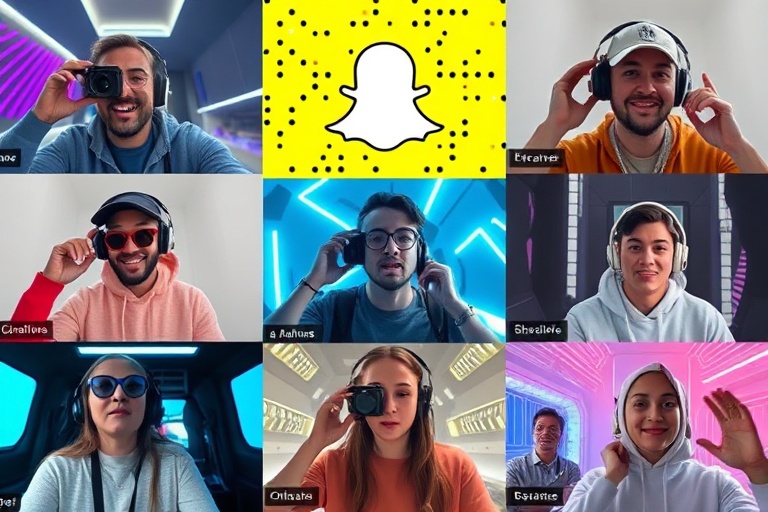
In a significant shift for the social media landscape, Snapchat has decided to pivot away from AI-generated content, returning to a more traditional model focused on human-made videos. This decision marks a pivotal moment in the ongoing dialogue about the role of artificial intelligence in content creation and its impact on user engagement and social media dynamics.
The Rise and Fall of AI-Generated Content
Initially, the integration of AI-generated content was celebrated as a groundbreaking innovation. It promised to streamline content production, allowing creators to produce videos more efficiently and effectively. However, the reality has proven to be more complex. The excitement surrounding this technology has diminished, leading to a reassessment of its implications.
- Quality Concerns: AI-generated videos often lack the emotional resonance and authenticity that human creators provide.
- User Engagement: Audiences have shown a preference for content that feels personal and relatable, which AI struggles to replicate.
- Brand Identity: Companies have recognized that their brand’s voice is often diluted when relying on automated content.
Reasons Behind the Reversal
Snapchat’s decision to revert to human-made content is rooted in several key factors:
- User Feedback: Data collected from users indicated a strong preference for content created by real people over AI-generated alternatives.
- Community Building: Human content creators foster a sense of community, which AI cannot mimic. Users often connect with the personalities behind the videos.
- Content Authenticity: In an age where authenticity is highly valued, human-generated content is perceived as more genuine.
Industry Implications
Snapchat’s pivot back to human-made videos could have broad implications across the social media industry:
- Shifts in Content Strategy: Other platforms might follow suit, reassessing their reliance on AI-generated content to maintain user satisfaction.
- Increased Demand for Creators: As platforms prioritize human content, the demand for skilled content creators is likely to increase.
- Reevaluation of AI Tools: Social media companies may invest in AI tools that assist rather than replace human creativity, enhancing productivity while preserving authenticity.
Future Possibilities
The landscape of social media is continuously evolving, and the return to human-made content opens several avenues for exploration:
- Hybrid Content Creation: Platforms might find a balance between AI assistance and human creativity, enabling creators to use AI for certain tasks while retaining their unique voice and style.
- Enhanced AI Tools: Future developments in AI could lead to tools that augment human creativity rather than replace it, such as advanced editing software that helps streamline production without sacrificing quality.
- Focus on Community Engagement: Platforms may prioritize features that enhance community interaction, further encouraging user-generated content and participation.
Conclusion
Snapchat’s decision to revert to a focus on human-made content is a reflection of a broader sentiment within the social media space. While AI technology continues to advance, the importance of authenticity, emotional connection, and community cannot be overlooked. As the industry moves forward, finding the right balance between innovative technology and human creativity will be crucial in shaping the future of social media.