The Dangers of AI Voice Cloning: A Father’s Life Savings Lost to a Sophisticated AI Phone Scam
In an era where technology continually evolves, the rapid advancement of artificial intelligence (AI) has brought about both opportunities and risks. One of the most alarming developments in this space is AI voice cloning, a technology that allows for the recreation of a person’s voice with astonishing accuracy. While this innovation offers exciting possibilities for industries such as entertainment and customer service, it also presents significant threats, particularly in the realm of fraud. Recently, a heartbreaking incident highlighted the perils of AI voice cloning when a father lost his life savings to a sophisticated AI phone scam.
The Incident: A Father’s Trust Exploited
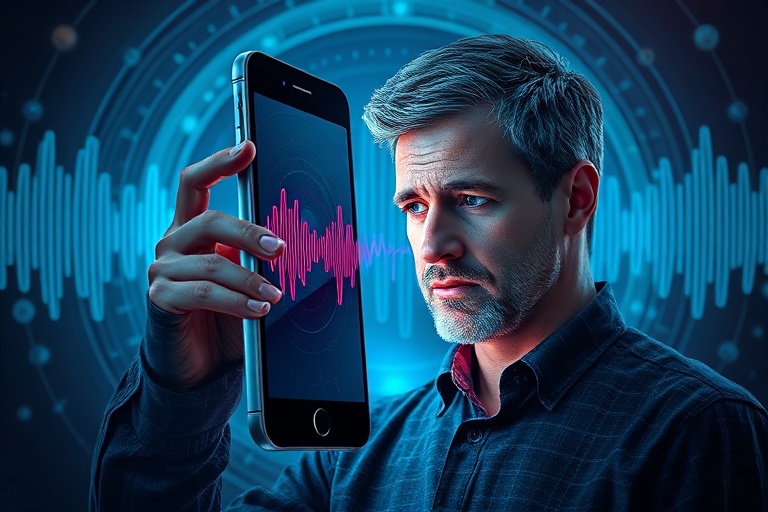
In a distressing case that has garnered media attention, a father received a phone call from what he believed to be his daughter. The voice on the other end was eerily similar to hers, filled with emotion and urgency. The caller claimed to be in a dire situation, needing immediate financial assistance. Trusting that he was speaking to his daughter, the father quickly complied, transferring a significant amount of money to what turned out to be a fraudulent account.
This incident serves as a stark reminder of the potential consequences of AI voice cloning technology when misused. The ability to replicate voices using AI algorithms has become increasingly accessible, making it easier for scammers to exploit unsuspecting individuals. Voice cloning technology can be trained on hours of audio recordings, learning the nuances of speech patterns, intonations, and emotional inflections, making it difficult for victims to discern the difference between a genuine voice and a synthetic one.
The Mechanics of AI Voice Cloning
AI voice cloning typically employs deep learning techniques, particularly neural networks, to create lifelike voice replicas. The process involves several key steps:
- Data Collection: Thousands of audio clips of the target voice are collected to create a robust dataset.
- Training the Model: A neural network is trained on this dataset to learn the unique characteristics of the voice.
- Synthesis: Once trained, the model can generate new speech that mimics the target voice, including emotional tone and speech patterns.
While this technology can be used for beneficial applications, such as assisting individuals with speech impairments or creating personalized audio content, its potential for misuse raises ethical and security concerns.
Practical Insights: Protecting Yourself from AI Voice Cloning Scams
As the technology behind AI voice cloning becomes more sophisticated, individuals must take proactive steps to protect themselves from potential scams:
- Verify Identity: Always verify the identity of the caller. If someone claims to be a family member in distress, call them back using a known number rather than relying on the phone call itself.
- Be Skeptical of Urgency: Scammers often create a sense of urgency to pressure victims into making quick decisions. Take a moment to assess the situation critically.
- Educate Yourself: Stay informed about the latest scams and tactics used by fraudsters. Familiarize yourself with how AI voice cloning works and its potential implications.
- Report Suspicious Calls: If you receive a call that seems suspicious, report it to the appropriate authorities. Sharing information can help prevent others from falling victim.
Industry Implications: The Need for Regulation
The incident involving the father and the AI phone scam raises essential questions about the regulation of AI technologies. As voice cloning becomes more prevalent, it is crucial for industry leaders and policymakers to address the ethical implications and potential misuse of this technology. Some key considerations include:
- Establishing Guidelines: The development of industry-wide guidelines can help ensure that AI voice cloning technologies are used ethically and responsibly.
- Implementing Verification Processes: Creating systems that can authenticate the identity of callers may help mitigate the risks associated with voice cloning.
- Fostering Public Awareness: Encouraging educational initiatives that inform the public about the risks of AI voice cloning can empower individuals to protect themselves.
Future Possibilities: Navigating the Dual-Edged Sword of AI
Looking ahead, the dual-edged nature of AI technologies, including voice cloning, presents both opportunities and challenges. While the potential for innovation is immense, so too is the responsibility to navigate these advancements ethically. Future developments may include:
- Advanced Detection Tools: The development of AI systems capable of detecting synthetic voices may help identify scams more effectively and protect potential victims.
- Enhanced Personal Security Features: Voice authentication technologies could evolve to provide more secure methods of verifying identity, mitigating the risks associated with voice cloning.
- Collaborative Efforts: The tech industry may need to work collaboratively with governments and law enforcement to create a robust framework for preventing voice-related fraud.
Ultimately, as technology continues to evolve, it is imperative that society remains vigilant in addressing the potential dangers posed by innovations like AI voice cloning. By fostering a culture of awareness and responsibility, we can harness the benefits of AI while safeguarding against its misuse.