The Impact of AI on Human Thinking: Investigating the Consequences of Reliance on AI and the Decline of Critical Thinking Skills
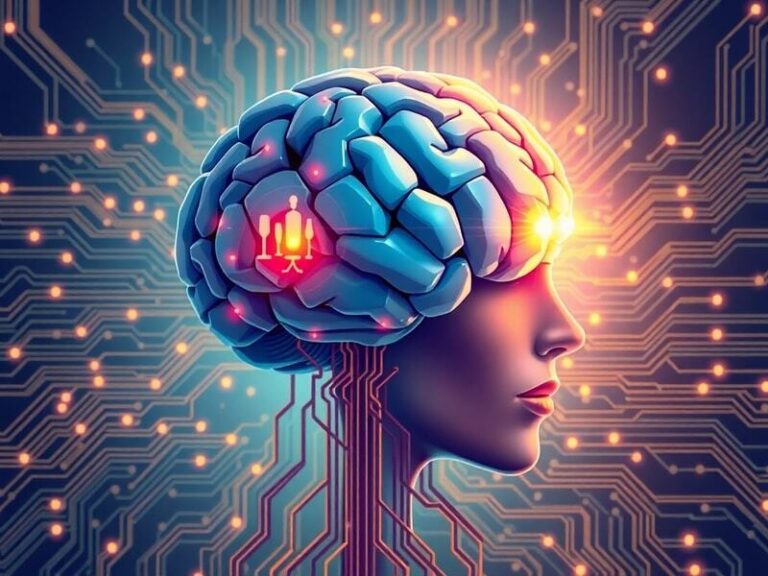
The rise of artificial intelligence (AI) has revolutionized various sectors, enhancing efficiency and productivity. However, the increasing reliance on AI tools has sparked a debate regarding its impact on human cognitive abilities, particularly critical thinking skills. As we delve into this topic, we will explore the consequences of integrating AI into our daily decision-making processes, the implications for industries, and the future possibilities of human-AI collaboration.
Understanding the Role of AI in Decision-Making
AI systems are designed to analyze vast amounts of data and provide insights that can facilitate decision-making. From personal assistants like Siri and Alexa to sophisticated algorithms used in finance and healthcare, AI is transforming how we approach problems. While these tools can enhance our capabilities, they also raise concerns about our dependence on them.
- Enhanced Efficiency: AI can process information at speeds that far exceed human capabilities, allowing for quicker decision-making.
- Data-Driven Insights: AI’s ability to analyze patterns in data can lead to more informed decisions.
- Reduced Cognitive Load: AI can handle repetitive tasks, freeing up mental resources for more complex challenges.
The Decline of Critical Thinking Skills
As we increasingly rely on AI for decision-making, there are concerns about the potential decline in critical thinking skills. Critical thinking involves analyzing information, evaluating evidence, and synthesizing ideas. Here are some potential consequences of AI reliance:
- Over-Reliance on Technology: With AI providing answers, individuals may stop questioning or analyzing information independently.
- Less Engagement with Problem Solving: The convenience of AI may lead to a passive approach to problem-solving, where individuals rely on machines to think for them.
- Reduced Creativity: AI can generate solutions based on existing data, possibly stifling innovative thinking and creativity.
Industry Implications
The implications of declining critical thinking skills are significant across various industries. Here are some sectors that are particularly affected:
- Education: As students increasingly use AI tools for homework and research, there is a risk that they may not develop essential analytical skills.
- Healthcare: While AI can assist in diagnostics, over-reliance on AI systems may lead healthcare professionals to overlook nuances in patient care.
- Finance: In finance, algorithmic trading can lead to quick decisions based solely on data, potentially neglecting fundamental analysis.
Practical Insights for Balancing AI and Critical Thinking
To mitigate the risks associated with AI reliance, it is crucial to strike a balance between utilizing AI tools and fostering critical thinking skills. Here are some practical insights:
- Encourage Questioning: Promote a culture of inquiry where individuals are encouraged to ask questions and seek clarification rather than accept information at face value.
- Integrate AI Literacy in Education: Educators should teach students how to use AI tools effectively while also emphasizing critical thinking and problem-solving skills.
- Limit AI Use in Certain Contexts: Encourage manual problem-solving in situations where critical thinking is essential, such as strategic planning or creative brainstorming.
The Future Possibilities of Human-AI Collaboration
Looking ahead, the future of human-AI collaboration holds promising possibilities. Instead of viewing AI as a replacement for human intellect, we can see it as a tool that enhances our cognitive abilities. Here are some potential developments:
- Augmented Intelligence: AI could serve as a companion that complements human thinking, providing suggestions while leaving the final decision to humans.
- Innovative Learning Environments: AI can facilitate personalized learning experiences, helping individuals develop critical thinking skills tailored to their needs.
- Empowered Problem Solving: By combining human creativity with AI’s analytical capabilities, we could tackle complex challenges in ways previously unimaginable.
Conclusion
The impact of AI on human thinking is profound and multifaceted. While AI offers remarkable benefits in decision-making and efficiency, it also presents challenges regarding the decline of critical thinking skills. By fostering a balanced approach that integrates AI tools with the cultivation of critical thinking, we can harness the best of both worlds. The future will depend on our ability to collaborate with AI, ensuring that we remain engaged thinkers in an increasingly automated world.