Real-Time Stress Monitoring with Wearable AI: Introducing AWEAR
In an age where stress management is becoming increasingly crucial for mental health, innovative technologies are stepping up to the challenge. One such groundbreaking device is AWEAR, a wearable AI technology designed to track brain signals and help manage stress levels in real time. This article explores the functionalities of AWEAR, its industry implications, and the future possibilities of stress monitoring using artificial intelligence.
Understanding AWEAR: The Technology Behind Stress Management
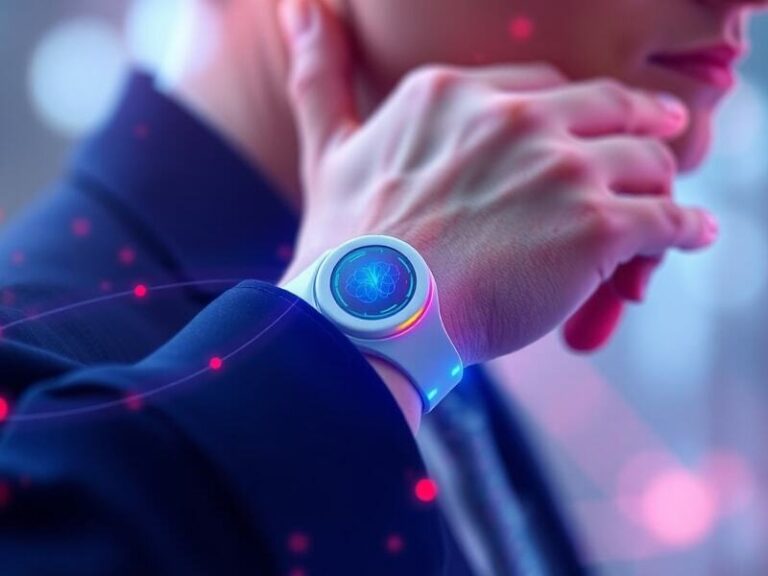
AWEAR utilizes advanced neural sensing technology to monitor brain signals associated with stress and mental load. The device is designed to be worn comfortably, allowing users to go about their daily routines while receiving continuous feedback on their mental state.
The core components of AWEAR include:
- Neural Sensors: These sensors are capable of capturing brainwave patterns that correlate with stress levels.
- AI Algorithms: Machine learning algorithms analyze the collected data to provide insights into the user’s mental load.
- User Interface: AWEAR features a user-friendly app that displays real-time analytics and personalized recommendations for managing stress.
How AWEAR Works
By leveraging the power of artificial intelligence, AWEAR processes neural data to identify stress triggers and patterns. Here’s how it operates:
- Data Collection: AWEAR collects data continuously from the user’s brainwaves, capturing fluctuations that may indicate rising stress levels.
- Analysis: The device employs AI algorithms to analyze this data in real time, identifying patterns and correlations with external factors such as time of day, activities, or environmental stressors.
- Feedback and Recommendations: Based on the analysis, AWEAR sends tailored recommendations to the user via its app, suggesting breathing exercises, mindfulness practices, or breaks when stress levels peak.
Industry Implications
The introduction of AWEAR has significant implications across various industries, particularly in sectors where high-stress environments are prevalent. Here are a few areas that could see transformative changes:
- Corporate Wellness Programs: Businesses can integrate AWEAR into their employee wellness initiatives, promoting mental health and productivity.
- Healthcare: Mental health professionals can use AWEAR as a tool for assessing patients’ stress levels and customizing treatment plans accordingly.
- Education: Educational institutions can utilize the device to monitor students’ stress, providing timely interventions to enhance learning environments.
Practical Insights for Users
For individuals looking to leverage AWEAR for stress management, here are some practical insights:
- Consistency is Key: Wear the device regularly to accumulate a comprehensive data set, which will help in recognizing patterns over time.
- Engage with the Feedback: Take the recommendations seriously—utilizing the mindfulness practices suggested can significantly enhance your stress management efforts.
- Track Environmental Factors: Pay attention to external stressors that coincide with your stress levels; this can inform personal strategies for managing stress.
Future Possibilities of Wearable AI
The potential of wearable AI extends beyond stress monitoring. As technology advances, we can envision several exciting possibilities:
- Integration with Other Health Metrics: Future iterations of AWEAR could incorporate physical health data (heart rate, sleep patterns) for a more holistic view of well-being.
- Enhanced AI Learning: As more users adopt the technology, AI can refine its algorithms to provide even more personalized insights based on broader datasets.
- Telehealth Applications: AWEAR could be integrated into telehealth platforms, enabling mental health professionals to monitor patients remotely and adjust treatment plans in real-time.
Conclusion
AWEAR represents a significant leap in the intersection of technology and mental health, offering users a proactive approach to managing stress. With its real-time monitoring capabilities and personalized feedback, AWEAR not only empowers individuals to take control of their mental well-being but also holds promise for broader applications across industries. As wearable AI continues to evolve, we may see more devices like AWEAR redefining how we understand and manage stress in our fast-paced world.