The Rise of Open-Source Smart Glasses: How Mentra is Changing the Landscape with Customizable AI Glasses
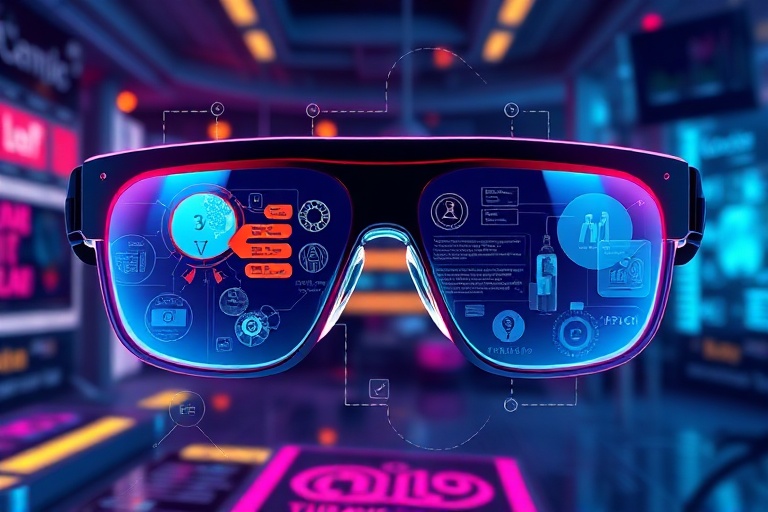
In recent years, the rapid evolution of artificial intelligence (AI) and augmented reality (AR) technologies has paved the way for innovative devices that integrate these advanced capabilities into our daily lives. Among these innovations, smart glasses have emerged as a powerful tool for enhancing the user experience across various sectors, including healthcare, education, and entertainment. One of the most exciting developments in this field is the introduction of open-source smart glasses by Mentra, a company that is reshaping the landscape with customizable AI solutions.
The Vision Behind Mentra
Mentra’s mission is to democratize access to advanced AI technologies by offering open-source smart glasses that allow developers and users to tailor their experiences. This adaptability is not only a game-changer for consumers but also for developers who can easily integrate their own AI models into the platform. By doing so, Mentra is creating an ecosystem that fosters innovation and collaboration among tech enthusiasts and professionals alike.
Key Features of Mentra’s Customizable AI Glasses
What sets Mentra’s smart glasses apart from other offerings in the market? Here are some of the standout features:
- Open-Source Framework: Mentra’s glasses operate on an open-source platform, enabling developers to customize and build applications that leverage various AI models.
- Modular Design: The glasses come with a modular design that allows users to swap out components and upgrade them as new technologies emerge.
- Multi-AI Model Support: Users can choose from a variety of AI models, tailoring the glasses to specific tasks, whether it’s for navigation, object recognition, or real-time translation.
- User-Friendly Interface: An intuitive interface ensures that even non-technical users can easily navigate and customize their glasses.
- Extensive Developer Community: By fostering an active community of developers, Mentra encourages collaboration and the sharing of innovative applications.
Practical Insights for Users and Developers
For Users
As users, the rise of Mentra’s open-source smart glasses presents several practical advantages:
- Personalization: Users can personalize their experience by selecting AI models that best suit their needs, whether for fitness tracking, productivity, or entertainment.
- Cost Efficiency: The open-source nature allows for cost-effective solutions, as users can choose freely among various applications without incurring high fees.
- Continuous Upgrades: With a modular design, users can upgrade their glasses without needing to purchase a new device entirely.
For Developers
Developers stand to benefit significantly from Mentra’s approach:
- Innovation Opportunities: The open-source platform encourages developers to create unique applications that can fill gaps in existing markets.
- Community Support: An active community means access to resources, ideas, and collaboration opportunities that can enhance development processes.
- Market Reach: By tapping into the diverse user base of Mentra, developers can reach a wider audience and receive valuable feedback on their applications.
Industry Implications
The introduction of customizable AI glasses by Mentra could have profound implications across various industries:
- Healthcare: In healthcare, smart glasses can provide real-time data to surgeons during operations or assist in patient monitoring, improving overall care.
- Education: In educational settings, these glasses can facilitate interactive learning experiences, allowing students to engage with content in a more meaningful way.
- Retail: Retailers can utilize smart glasses to enhance customer experiences, providing personalized recommendations based on user preferences and behaviors.
Future Possibilities
As the technology behind smart glasses continues to evolve, the future holds exciting possibilities:
- Enhanced AI Capabilities: As AI models become more sophisticated, we can expect smarter glasses that can understand context, predict user needs, and offer proactive suggestions.
- Integration with Other Technologies: Mentra’s glasses could integrate with other emerging technologies like 5G, IoT, and edge computing, creating a seamless user experience.
- Broader Acceptance: As these devices become more mainstream, we could see wider acceptance in everyday life, from casual use to professional applications.
In conclusion, Mentra is not just launching a product; it’s initiating a movement towards customizable, open-source technology that will empower users and developers alike. As we witness the rise of these open-source smart glasses, it’s clear that the landscape of AI and wearable technology is being transformed, opening doors to innovation and creativity that were previously unimaginable.