Innovative AI Tools: Transforming Music into Visual Experiences
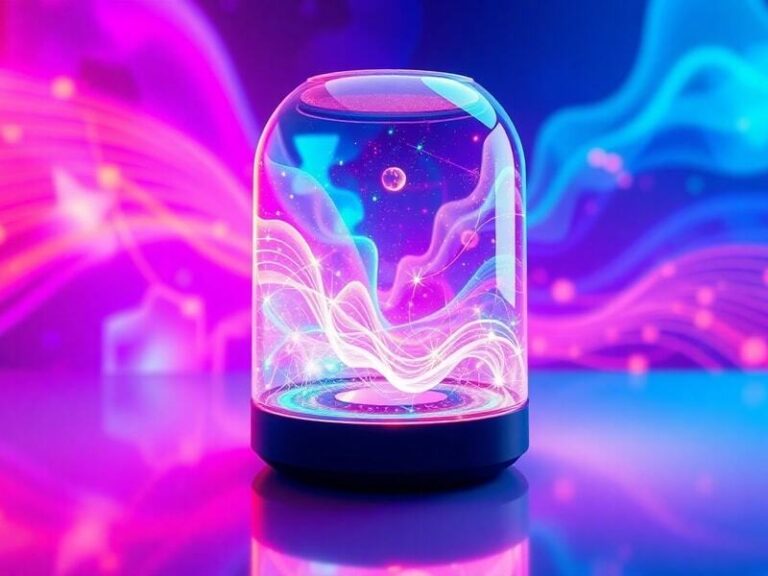
In the ever-evolving landscape of technology, artificial intelligence continues to push the boundaries of innovation. One of the most exciting developments is the SonicGlass speaker, a groundbreaking device that transforms music into real-time visual experiences. This innovative AI tool not only enhances the way we listen to music but also captivates our visual senses, creating a multi-dimensional artistic experience that has profound implications for the music and technology industries.
The SonicGlass Speaker: A Game Changer
The SonicGlass speaker integrates advanced AI algorithms with a high-fidelity audio system to generate dynamic visuals that correspond to the music being played. This fusion of sound and sight offers an immersive experience that traditional audio devices cannot match. The speaker uses a combination of machine learning, computer vision, and real-time rendering to analyze the audio signals and create visuals that reflect the mood, tempo, and rhythm of the music.
- Real-time Visualization: It processes audio in real-time, allowing for immediate visual feedback that evolves with the music.
- AI-Driven Creativity: The visuals are generated through AI, enabling unique artistic interpretations that can vary with each listening session.
- Interactive Experience: Users can influence the visual output through their interaction, enhancing engagement and personalization.
Practical Insights and User Experience
For music enthusiasts, the SonicGlass speaker represents a new frontier in experiencing sound. Users can connect their devices through Bluetooth or Wi-Fi and enjoy a wide range of music genres while the speaker generates tailored visuals. The experience is designed to evoke emotions and create a deeper connection with the music.
Moreover, the speaker features a user-friendly interface that allows individuals to customize their visual preferences. Options include adjusting the color palette, choosing different visual styles, and even syncing with external displays for larger visual presentations. This customization enhances user satisfaction and encourages exploration of different musical genres.
Industry Implications
The introduction of SonicGlass has significant implications for various industries:
- Music Industry: Artists can leverage this technology to create more engaging performances and music videos, offering fans a unique way to experience their work.
- Streaming Services: Platforms can integrate real-time visualizations into their services, providing subscribers with an immersive experience that sets them apart from competitors.
- Art and Entertainment: The technology opens up new avenues for artists and performers, allowing them to merge audio and visual art forms more seamlessly than ever before.
Future Possibilities
As AI technology continues to advance, the potential for innovations like SonicGlass expands exponentially. Future developments may include:
- Enhanced AI Algorithms: Continuous improvements in machine learning could lead to even more sophisticated visual interpretations, making the experience richer and more immersive.
- Augmented Reality Integration: Combining SonicGlass with AR technologies could create interactive environments where users can see visuals projected in their physical spaces.
- Collaborative Experiences: Social features might allow multiple users to connect and share their visual experiences in real time, creating a communal atmosphere around music enjoyment.
Conclusion
The SonicGlass speaker exemplifies how innovative AI tools can revolutionize traditional experiences. By marrying music with dynamic visuals, this technology not only enhances personal enjoyment but also paves the way for new forms of artistic expression. As we look to the future, the possibilities for AI in music and visual arts are limitless, promising to create even more interactive and immersive experiences for audiences worldwide.