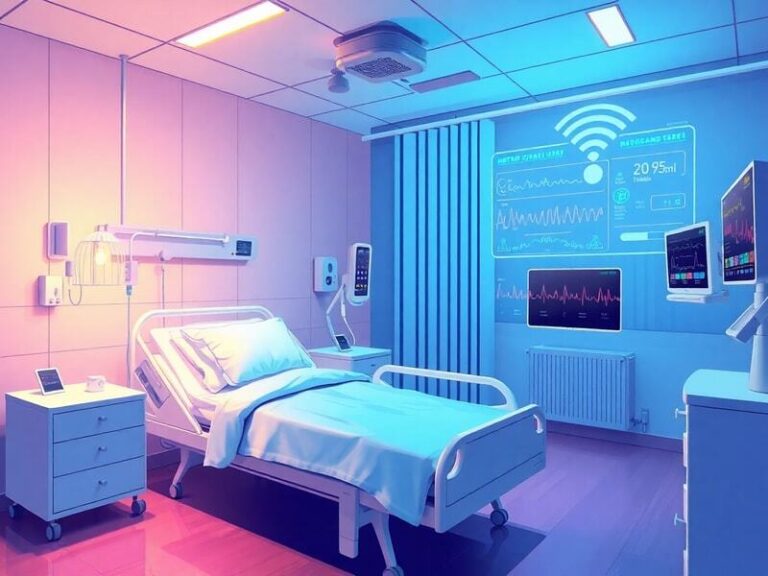
WiFi Signals Transforming Healthcare Monitoring
The rapid advancement of technology has ushered in a new era in healthcare, where traditional monitoring methods are being revolutionized. One of the most exciting developments in this space is the use of WiFi signals to monitor vital signs and detect patient presence without relying on cumbersome wearables. This innovative approach not only enhances patient comfort but also opens up new avenues for healthcare monitoring and management.
The Concept Behind WiFi-Based Monitoring
At its core, WiFi-based monitoring leverages existing wireless signals to gather vital health information. This technology employs sophisticated algorithms to interpret the reflections and distortions of WiFi signals caused by the human body. The main benefits include:
- Non-Intrusive: Patients can be monitored without the need for physical devices attached to their bodies.
- Real-time Data: Continuous monitoring allows for immediate detection of health changes.
- Cost-Effective: Utilizes existing infrastructure, reducing the need for extensive investments in new hardware.
How It Works
The technology behind WiFi-based healthcare monitoring involves several key components:
- Signal Processing: WiFi routers send out signals that bounce off various objects, including human bodies. The changes in these signals are captured and analyzed.
- Machine Learning Algorithms: AI and machine learning models are utilized to decipher the data from the WiFi signals, enabling pattern recognition for vital signs, such as heart rate and respiratory rate.
- Data Integration: The collected data can be integrated into electronic health records (EHR), providing healthcare providers with seamless access to patient information.
Practical Insights and Industry Implications
The implications of WiFi-based monitoring in healthcare are vast. Here are some practical insights into its potential impact:
- Enhanced Patient Care: Continuous monitoring can lead to timely interventions, improving outcomes for patients with chronic conditions.
- Remote Monitoring: Particularly valuable in telehealth, where patients can be monitored from the comfort of their homes, reducing the need for hospital visits.
- Data-Driven Decisions: Access to real-time data empowers healthcare professionals to make informed decisions quickly.
Challenges and Considerations
While the potential benefits are significant, there are challenges that need to be addressed:
- Privacy and Security: With data being transmitted wirelessly, there are concerns about patient privacy and the security of sensitive health information.
- Accuracy of Measurements: Ensuring the reliability of data collected through WiFi signals compared to traditional methods is crucial.
- Regulatory Hurdles: Navigating the complex landscape of healthcare regulations can be challenging for new technologies.
The Future of WiFi in Healthcare Monitoring
The future of WiFi-based monitoring in healthcare is promising. As technology continues to advance, we can expect:
- Increased Adoption: More healthcare facilities are likely to implement WiFi monitoring systems as they prove effective and reliable.
- Integration with AI: The combination of AI and WiFi monitoring could lead to more sophisticated health analytics and personalized medicine.
- Expansion into New Areas: Beyond vital signs, this technology could be adapted to monitor a broader range of health indicators, including mental health through behavioral analytics.
In conclusion, the transformative potential of WiFi signals in healthcare monitoring is undeniable. By reducing the reliance on traditional wearables, this technology not only enhances patient comfort and care but also fosters a more efficient healthcare system. As innovations continue to emerge, the integration of WiFi monitoring could very well become a standard practice in healthcare, paving the way for a more proactive and personalized approach to health management.