# Apple’s Acquisition of Q.ai: The Future of Silent Speech Recognition
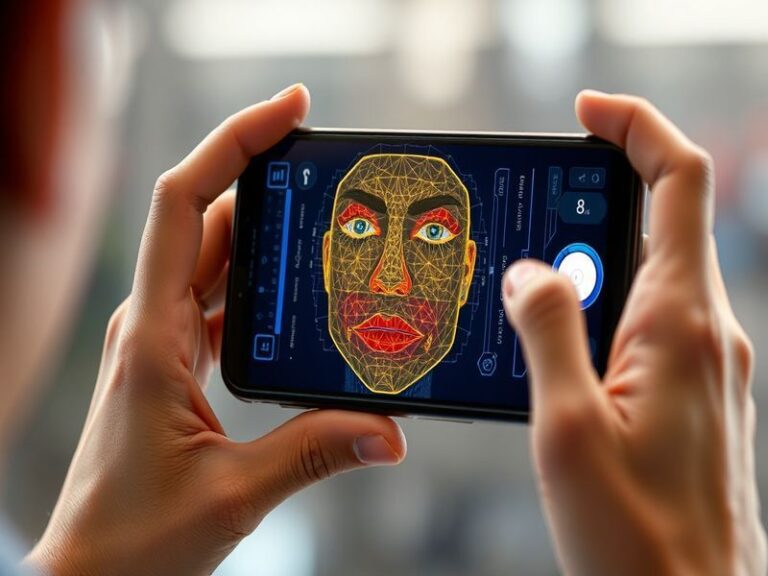
In a move that could redefine human-computer interaction, Apple has acquired Q.ai, a startup specializing in silent speech recognition technology. This acquisition signals Apple’s commitment to exploring innovative ways to bridge the gap between humans and machines. Silent speech recognition, which interprets facial micro-movements to decipher spoken words, holds immense potential for revolutionizing how we interact with technology.
## Understanding Silent Speech Recognition
Silent speech recognition (SSR) is an emerging technology that enables computers to understand speech without audible sound. Instead, it relies on analyzing subtle facial movements, such as those of the lips, tongue, and jaw, to interpret what a person is saying. This technology has been in development for years, but recent advancements in artificial intelligence and machine learning have made it more viable.
How It Works
The process involves several key steps:
- Data Collection: High-resolution cameras or sensors capture facial movements.
- Feature Extraction: AI algorithms analyze these movements to identify patterns.
- Speech Synthesis: The interpreted patterns are converted into spoken words or text.
This technology can be particularly useful for individuals with speech impairments, allowing them to communicate more effectively. It also opens up new possibilities for hands-free interaction in various environments, from healthcare to automotive.
## Apple’s Strategic Acquisition
Apple’s acquisition of Q.ai is a strategic move that aligns with the company’s focus on innovation and user experience. By integrating SSR technology into its ecosystem, Apple could enhance its existing products, such as the iPhone, iPad, and Mac, as well as future devices like augmented reality (AR) glasses.
Potential Applications
The implications of silent speech recognition are vast. Here are some potential applications:
- Accessibility: SSR can provide a new communication channel for individuals with speech disabilities.
- Hands-Free Interaction: Users can interact with devices without speaking aloud, useful in noisy environments or when discretion is required.
- Augmented Reality: In AR glasses, SSR could enable seamless interaction with virtual interfaces.
- Healthcare: Medical professionals could use SSR to document patient interactions without typing, improving efficiency.
## Industry Implications
The acquisition of Q.ai by Apple is likely to have a ripple effect across the tech industry. Competitors such as Google, Microsoft, and Amazon may accelerate their own research into silent speech recognition to stay competitive. This could lead to a new wave of innovation in human-computer interaction.
Challenges and Considerations
While the potential of silent speech recognition is immense, there are challenges to overcome:
- Accuracy: Ensuring high accuracy in interpreting facial movements is crucial.
- Privacy: The technology raises privacy concerns, as it involves capturing and analyzing facial data.
- User Adoption: Convincing users to adopt this new form of interaction will require demonstrating its benefits.
## Future Possibilities
The future of silent speech recognition is bright, with numerous possibilities on the horizon. As AI and machine learning continue to advance, the technology is expected to become more accurate and efficient. This could lead to its integration into a wide range of devices and applications, from smart home systems to virtual assistants.
Innovations on the Horizon
Here are some future innovations that could emerge from silent speech recognition:
- Universal Communication: SSR could enable real-time translation of silent speech into different languages, breaking down language barriers.
- Enhanced AR/VR Experiences: In augmented and virtual reality, SSR could allow users to interact with virtual objects and environments seamlessly.
- Personalized Interactions: AI could learn and adapt to individual users’ facial movements, improving the accuracy and personalization of interactions.
## Conclusion
Apple’s acquisition of Q.ai marks a significant step forward in the evolution of human-computer interaction. Silent speech recognition has the potential to revolutionize how we communicate with technology, offering new opportunities for accessibility, efficiency, and innovation. As the technology continues to develop, we can expect to see it integrated into a wide range of applications, transforming the way we interact with the digital world.
For tech enthusiasts and professionals, this acquisition is a clear indication of the direction in which the industry is heading. It underscores the importance of staying informed about emerging technologies and their potential impact on our lives. The future of silent speech recognition is not just about technology; it’s about creating a more inclusive and interconnected world.