# Intel’s Foray into GPU Market: A Challenge to Nvidia’s Dominance
## Introduction
The graphics processing unit (GPU) market has long been dominated by Nvidia, a titan in the industry known for its powerful and efficient GPUs that have become the backbone of AI and machine learning applications. However, the landscape is set to change as Intel, a giant in the CPU market, makes a strategic move into the GPU industry with its new line of GPUs. This article explores Intel’s foray into the GPU market, its potential impact on the industry, and the future possibilities it presents.
## Intel’s Strategic Move into the GPU Market
Intel’s entry into the GPU market is not a sudden decision but a well-planned strategic move. The company has been investing heavily in its graphics technology for several years, and the recent launch of its discrete GPUs marks a significant milestone in its journey.
### The Birth of Intel Arc
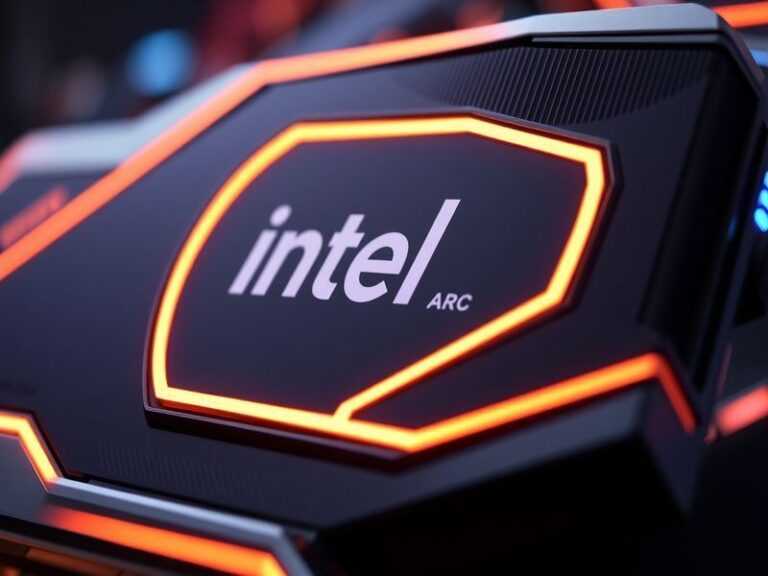
Intel’s new line of GPUs, known as Intel Arc, is designed to compete directly with Nvidia’s offerings. The Arc series includes a range of GPUs catering to different market segments, from gaming to professional applications. The GPUs are based on Intel’s Xe architecture, which promises to deliver high performance and efficiency.
### Intel’s Advantages
Intel brings several advantages to the GPU market:
- **Manufacturing Expertise**: Intel is one of the world’s leading manufacturers of semiconductor devices. Its expertise in manufacturing can help it produce high-quality GPUs at competitive prices.
- **Software Ecosystem**: Intel has a robust software ecosystem that includes drivers, development tools, and APIs. This ecosystem can help developers create applications that leverage the full potential of Intel’s GPUs.
- **AI and Machine Learning**: Intel has been investing heavily in AI and machine learning technologies. Its GPUs are designed to support these technologies, making them an attractive option for researchers and developers.
## The Potential Impact on the Market
Intel’s entry into the GPU market is likely to have a significant impact on the industry. Here are some of the potential implications:
### Increased Competition
Intel’s presence in the GPU market will increase competition, which is good news for consumers. Increased competition can lead to lower prices, better products, and more innovation.
### Nvidia’s Response
Nvidia has long been the dominant player in the GPU market. Intel’s entry will force Nvidia to respond, which could lead to more innovation and better products from both companies.
### New Opportunities for Developers
Intel’s GPUs are designed to support a wide range of applications, including gaming, professional graphics, and AI. This can open up new opportunities for developers to create applications that leverage the full potential of Intel’s GPUs.
## Future Possibilities
Intel’s foray into the GPU market presents several exciting possibilities for the future:
### Advancements in AI and Machine Learning
Intel’s GPUs are designed to support AI and machine learning applications. As Intel continues to invest in these technologies, we can expect to see significant advancements in the field.
### Expansion into New Markets
Intel’s GPUs are not just for gaming and professional graphics. They are also designed to support a wide range of applications, including data center, edge computing, and automotive. This can open up new markets for Intel and its partners.
### Collaboration and Partnerships
Intel’s entry into the GPU market can lead to new collaborations and partnerships. For example, Intel could partner with companies in the gaming, professional graphics, or AI industries to create new products and services.
## Practical Insights and Industry Implications
### For Consumers
Intel’s entry into the GPU market is good news for consumers. Increased competition can lead to lower prices, better products, and more innovation. Consumers can look forward to a wider range of GPUs to choose from, catering to different needs and budgets.
### For Developers
Intel’s GPUs are designed to support a wide range of applications, including gaming, professional graphics, and AI. This can open up new opportunities for developers to create applications that leverage the full potential of Intel’s GPUs. Developers can also benefit from Intel’s robust software ecosystem, which includes drivers, development tools, and APIs.
### For the Industry
Intel’s entry into the GPU market can lead to more innovation and better products. It can also open up new markets and create new opportunities for collaboration and partnership. The industry can look forward to a more competitive and dynamic market, which is good for everyone.
## Conclusion
Intel’s foray into the GPU market is a significant development that has the potential to reshape the industry. With its manufacturing expertise, robust software ecosystem, and commitment to AI and machine learning, Intel is well-positioned to challenge Nvidia’s dominance and drive innovation in the GPU market. The future looks bright for the GPU market, and we can expect to see exciting developments in the years to come.