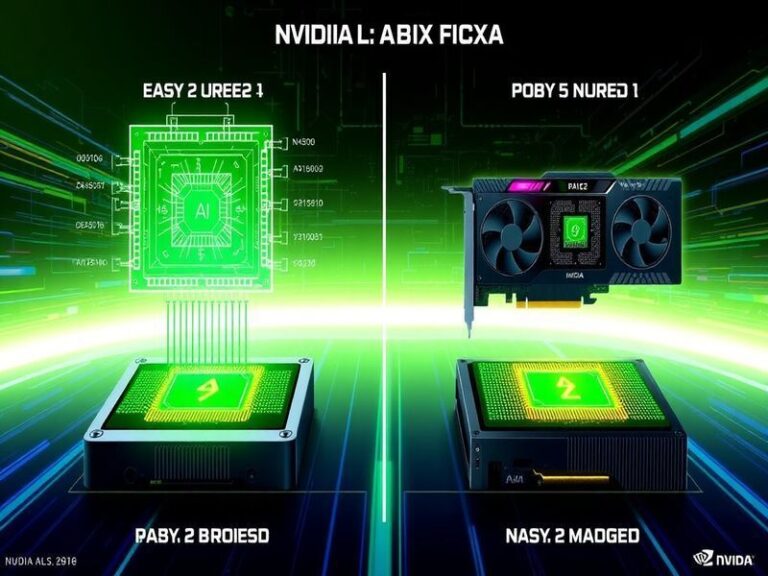
Nvidia’s Strategic Shift: Prioritizing AI Chips Over Gaming GPUs
In a groundbreaking move that has sent ripples through the technology industry, Nvidia has announced a strategic pivot from its traditional focus on gaming GPUs to the development of AI chips. This decision comes amid unprecedented demand for AI technologies and the burgeoning market for artificial intelligence applications. As the leading manufacturer of graphics processing units (GPUs), Nvidia’s shift raises critical questions about the future of gaming, AI, and the broader implications for the tech landscape.
The Context of Nvidia’s Decision
Nvidia has long been synonymous with gaming, having built a robust ecosystem around its GeForce line of GPUs. However, with the rapid evolution of AI technologies, including machine learning and deep learning, the company has recognized a significant opportunity to innovate and lead in a different sector. The demand for AI chips has skyrocketed, fueled by advancements in generative AI, natural language processing, and autonomous systems.
By delaying the release of new gaming GPUs, Nvidia signals a shift in priorities, pivoting to capitalize on the lucrative AI market. This decision is not without its challenges, as the gaming community has been eagerly awaiting new hardware to enhance their gaming experiences.
Implications for the Gaming Industry
The gaming industry is one of the largest consumers of GPU technology, and Nvidia’s shift raises several implications for gamers and developers alike:
- Delayed Innovations: With the focus moving towards AI, gamers may experience longer wait times for the latest gaming technologies and enhancements.
- Increased Prices: The shift in demand could lead to higher prices for existing gaming GPUs as supply becomes limited.
- Potential for Hybrid Solutions: Nvidia could leverage AI advancements to create hybrid solutions that enhance gaming experiences, such as improved graphics rendering or real-time game optimization.
AI Market Dynamics
Nvidia’s strategic shift is also reflective of broader trends within the AI market. The rise of AI technologies presents vast opportunities, and Nvidia aims to position itself at the forefront of this transformation:
- AI Chip Demand: The demand for specialized chips capable of handling complex AI computations has surged, with industries ranging from healthcare to finance seeking powerful processing capabilities.
- Partnerships and Collaborations: Nvidia’s focus on AI chips may lead to new partnerships with tech giants and startups, fostering innovation and expanding its reach in the AI ecosystem.
- Competitive Landscape: Other tech companies, including AMD and Intel, are also pivoting towards AI technologies, intensifying competition and potentially accelerating advancements across the sector.
Future Possibilities and Innovations
The potential outcomes of Nvidia’s strategic shift are vast and varied. As the company invests in AI chip development, we can anticipate several key trends:
- Enhanced AI Capabilities: Nvidia is likely to develop chips that optimize performance for AI applications, making it easier for businesses and researchers to leverage AI in their projects.
- Integration of AI in Gaming: Future gaming GPUs may integrate AI technologies, leading to smarter NPCs, adaptive difficulty levels, and personalized gaming experiences.
- Expansion into New Markets: The company could diversify its offerings beyond traditional gaming and venture into sectors such as autonomous vehicles, robotics, and smart cities.
The convergence of AI and gaming technologies can potentially redefine user experiences, making them more immersive and interactive than ever before. As Nvidia navigates these waters, the company may also face ethical considerations, particularly regarding the implications of AI in creative industries.
Conclusion
Nvidia’s decision to prioritize AI chips over gaming GPUs illustrates a significant shift in the tech industry landscape. While this move may pose challenges for gamers in the short term, the long-term implications for AI innovation could lead to groundbreaking advancements across various sectors. As Nvidia embraces this opportunity, tech enthusiasts and professionals alike will be watching closely to see how the company balances its legacy in gaming with the demands of the rapidly evolving AI market.