Humanoid Robots: Speed Meets Functionality
The landscape of robotics is evolving rapidly, especially in the realm of humanoid robots. These machines, designed to mimic human appearance and behavior, are not just a figment of science fiction anymore. They are becoming integral to various industries, driven by advancements in artificial intelligence (AI), machine learning, and robotics technology. This article explores how these developments are reshaping our expectations of humanoid capabilities, offering insights into their practical applications, industry implications, and potential future developments.
Advancements in Robotics Technology
Recent innovations in robotics have significantly enhanced humanoid robots. Key advancements include:
- Artificial Intelligence Integration: AI technologies such as natural language processing (NLP) and computer vision allow humanoid robots to interact with humans more naturally and understand complex tasks.
- Improved Mobility: Enhanced actuators and sensors enable robots to move more fluidly and navigate complex environments, reducing the risk of accidents and improving efficiency.
- Advanced Machine Learning: Machine learning algorithms allow robots to learn from their experiences, making them more adaptable and capable of performing a wider range of tasks over time.
- Real-time Data Processing: The ability to process vast amounts of data in real-time allows humanoid robots to make quicker decisions, enhancing their functionality in various applications.
Practical Insights: Applications of Humanoid Robots
Humanoid robots are making significant strides across multiple sectors. Below are some of the most notable applications:
- Healthcare: Robots like Sophia and Robear are assisting in patient care, providing companionship, and helping with rehabilitation exercises.
- Education: Humanoid robots are being utilized in classrooms to engage students, assist teachers, and provide personalized learning experiences.
- Customer Service: Businesses are deploying humanoid robots in retail environments to greet customers, provide information, and streamline the shopping experience.
- Manufacturing: These robots are increasingly being integrated into manufacturing processes to perform repetitive tasks with precision and speed, enhancing productivity.
Industry Implications: Changing the Workforce
As humanoid robots become more prevalent, their impact on the workforce is profound. Here are some implications:
- Job Displacement: While robots can enhance efficiency, they may also displace jobs, particularly in sectors where routine tasks are prevalent. Workers will need to adapt to new roles that require human-centric skills.
- Skill Evolution: The demand for technical skills is rising. Workers will need to develop competencies in programming, robotics maintenance, and AI interaction.
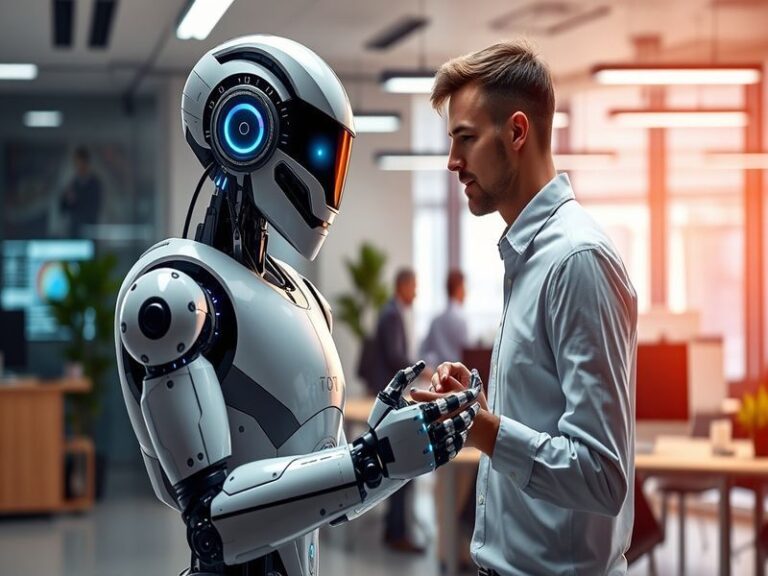
- Collaboration Opportunities: Human-robot collaboration is becoming a reality, with robots complementing human efforts rather than replacing them in many scenarios, particularly in creative fields.
Future Possibilities: What Lies Ahead?
The future of humanoid robots is promising, with several exciting possibilities on the horizon:
- Enhanced Emotional Intelligence: Future robots may be equipped with advanced emotional recognition capabilities, allowing them to respond to human emotions in a more empathetic manner.
- Personalized Experiences: As AI continues to evolve, humanoid robots could offer tailored interactions based on individual preferences and needs, transforming customer service and healthcare.
- Integration with IoT: Humanoid robots may soon integrate seamlessly with smart home technology, acting as personal assistants that manage daily tasks and improve quality of life.
- Global Accessibility: As costs decrease and technology becomes more widespread, humanoid robots may become accessible to a broader audience, impacting various sectors globally.
Conclusion
The rapid advancements in humanoid robotics are changing our expectations of what these machines can accomplish. As AI and machine learning continue to evolve, so too will the capabilities of humanoid robots. Their potential applications span various industries, promising to enhance productivity, improve customer experiences, and even assist in healthcare. However, as we embrace this technology, we must also address the implications for the workforce and society at large. The future is not just about robots performing tasks; it’s about creating a symbiotic relationship between humans and machines that can lead to groundbreaking innovations.