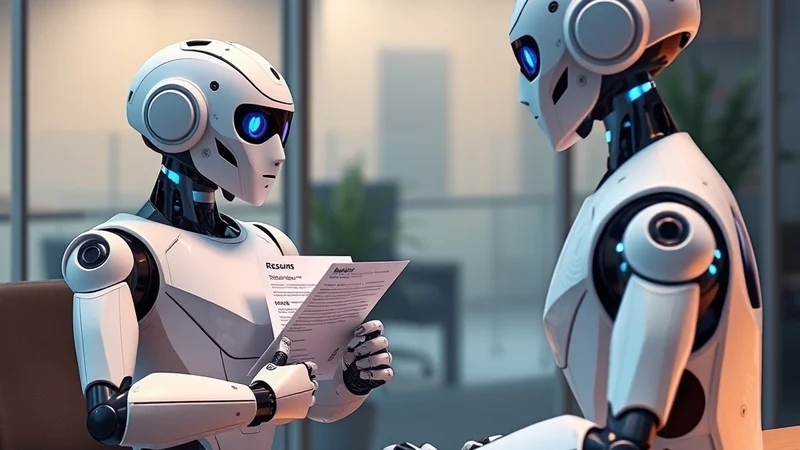
Highlight: The AI Assistant That Understands Context
In today’s fast-paced digital landscape, enhancing workplace productivity is a primary goal for organizations across various industries. One of the most promising developments in this realm is the emergence of AI assistants that understand context. These advanced systems are not just simple task managers; they are designed to provide contextual assistance that can significantly improve efficiency and effectiveness in the workplace.
Understanding Contextual Assistance
Contextual assistance refers to the ability of AI systems to recognize and respond to the specific circumstances or environment in which a task is being performed. This capability is not merely about processing commands; it involves interpreting user intent based on various factors, including:
- User history: Past interactions and preferences.
- Current tasks: The specific project or activity the user is engaged in.
- Environmental cues: Information from connected devices or applications.
- Time sensitivity: Recognizing deadlines or urgent tasks.
By leveraging this contextual awareness, AI assistants can offer more relevant suggestions, automate repetitive tasks, and help users navigate complex workflows. This leads to enhanced productivity and a more streamlined work experience.
Practical Insights into Contextual AI
Several organizations have already begun to implement contextual AI assistants with remarkable results. Here are some practical insights into how these technologies are being leveraged:
- Personalized Workflows: AI assistants can adapt to individual user preferences, learning from their behavior to provide tailored recommendations. For instance, tools like Microsoft’s Cortana and Google Assistant can offer reminders based on previous habits.
- Seamless Integrations: By integrating with various applications (such as CRM systems, project management tools, and communication platforms), AI assistants can pull in relevant data to provide real-time insights. This integration helps reduce the time spent switching between applications.
- Automating Routine Tasks: Contextual AI can take over repetitive tasks such as scheduling meetings or managing emails, freeing human workers to focus on more strategic activities.
- Enhanced Decision-Making: By analyzing contextual data, AI assistants can offer insights that aid in decision-making, such as suggesting the best time to send an email based on recipient behavior.
Industry Implications
The introduction of AI assistants that understand context is poised to disrupt various industries significantly. Some of the most affected include:
- Healthcare: AI assistants can help healthcare professionals manage patient information and streamline administrative tasks, allowing them to focus more on patient care.
- Finance: In the finance sector, contextual AI can assist in analyzing market trends and personalizing client interactions, thereby enhancing customer service.
- Retail: Retailers can leverage contextual assistants to provide personalized shopping experiences, improving customer satisfaction and loyalty.
- Education: In educational settings, AI can facilitate personalized learning experiences, adapting to students’ needs and pacing.
Future Possibilities
The future of contextual AI assistants is promising, with several exciting possibilities on the horizon:
- Increased Natural Language Processing (NLP): As NLP technology evolves, AI assistants will become even more adept at understanding human language nuances, allowing for more natural interactions.
- Greater Integration with IoT: As the Internet of Things (IoT) continues to expand, AI assistants will gain access to a plethora of data from connected devices, enhancing their contextual understanding.
- Proactive Assistance: Future AI assistants may not only react to user commands but also anticipate needs based on contextual data, providing proactive solutions before users even ask.
- Ethical Considerations: As contextual AI becomes more pervasive, ethical issues surrounding data privacy and security will need to be addressed, ensuring that user information is handled responsibly.
Conclusion
The rise of AI assistants that understand context marks a significant milestone in the evolution of workplace productivity tools. By effectively interpreting user intent and environmental cues, these systems are transforming how we work, making processes more efficient and less time-consuming. As organizations continue to adopt these technologies, the implications for productivity, decision-making, and overall workplace dynamics will continue to unfold, leading to a future where work is not just about tasks but about context-driven efficiency.