Hollywood vs Seedance 2.0: The Battle Over AI Video Generation
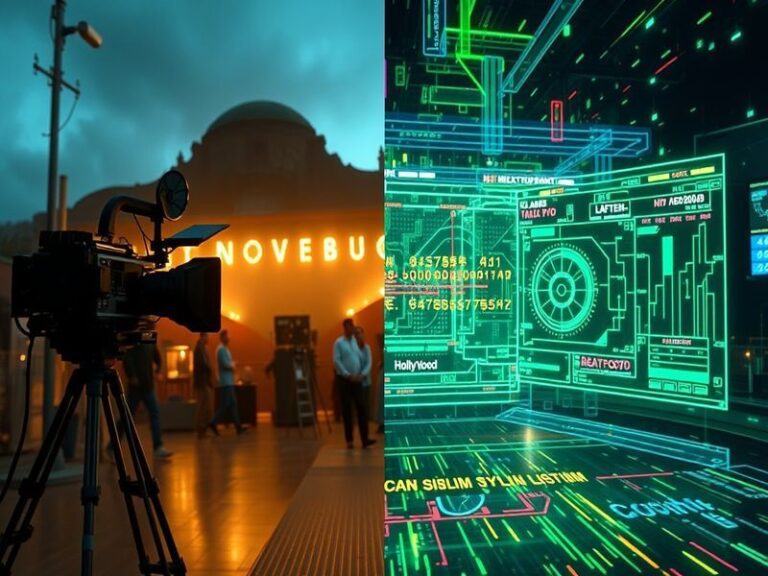
The landscape of the film industry is undergoing a profound transformation, driven by advancements in artificial intelligence (AI) and video generation technologies. As AI systems become increasingly capable of creating high-quality video content, the debate between traditional Hollywood studios and emerging platforms like Seedance 2.0 intensifies. This article explores the complexities of IP (intellectual property) infringement concerns, the implications for the film industry, and the future possibilities of AI-generated content.
The Rise of AI Video Generation
AI video generation tools, such as Seedance 2.0, enable users to create videos with minimal input, utilizing extensive databases of existing footage, scripts, and audio. These tools leverage machine learning algorithms that analyze vast amounts of data to generate new video content that can mimic established styles, genres, or even the specific aesthetics of renowned filmmakers.
Some of the core features of AI video generators include:
- Content personalization: Users can input specific parameters, such as themes, tones, or character traits, to tailor the generated content to their preferences.
- Rapid production: AI can produce video content in a fraction of the time it takes traditional filmmaking processes, leading to faster project turnaround.
- Cost-effectiveness: By reducing the need for extensive human labor and resources, AI tools can significantly lower production costs.
Hollywood’s Concerns
Despite the clear benefits of AI video generation, Hollywood studios express growing concerns about potential IP infringement. The fear is that AI systems could inadvertently replicate existing intellectual property or create derivative works that infringe upon the rights of original creators.
Key concerns include:
- Copyright issues: With AI trained on existing footage, studios worry that generated content may contain elements that are too similar to copyrighted materials.
- Loss of creative jobs: As AI tools become more capable, there is apprehension that they may replace traditional roles in filmmaking, leading to job losses in the industry.
- Quality control: The risk of producing subpar content raises questions about the overall quality of films generated by AI, which could harm the reputation of established studios.
Implications for the Film Industry
The clash between Hollywood and AI video generation platforms like Seedance 2.0 leads to several implications for the film industry:
- Shifting business models: Studios may need to adapt their business models to accommodate the rise of AI-generated content, potentially leading to new revenue streams or collaboration opportunities.
- Legal frameworks: The industry will need to develop new legal frameworks that address the complexities of copyright and IP in the age of AI, ensuring that creators’ rights are protected while encouraging innovation.
- Collaborative creativity: Rather than viewing AI as a competitor, filmmakers might embrace it as a collaborative tool, using AI to enhance their storytelling capabilities and streamline production processes.
Future Possibilities
As AI technology continues to evolve, the future of video generation holds exciting possibilities:
- Enhanced storytelling: AI can analyze audience preferences and trends, allowing creators to craft stories that resonate more deeply with viewers.
- Interactive content: Future advancements may lead to interactive films where viewers can influence the storyline or character decisions through AI-generated alternatives.
- Global accessibility: AI-powered platforms can democratize filmmaking, allowing aspiring creators from diverse backgrounds to produce professional-quality content with limited resources.
In conclusion, the battle between Hollywood and AI video generation platforms like Seedance 2.0 highlights the complexities of a rapidly changing technological landscape. While concerns over IP infringement and job displacement are valid, the potential for collaborative creativity and enhanced storytelling offers an optimistic outlook for the future of the film industry. As both sides navigate this evolving relationship, it is essential to strike a balance between innovation and the protection of creators’ rights.