The Rise of Voice-Led Fitness Trackers: A Challenge to Subscription Models
As technology continues to advance, the intersection of artificial intelligence (AI) and fitness has become increasingly prominent. In particular, voice-led fitness trackers like the Luna Band are spearheading a transformation in how users engage with their health and wellness. These devices leverage AI coaching to provide personalized fitness insights without the burden of ongoing subscription fees. This article will explore how these innovations are reshaping the fitness landscape, the implications for existing subscription models, and future possibilities.
The Evolution of Fitness Trackers
Fitness trackers have come a long way since their inception. Initially, these devices focused on basic metrics such as step counting and heart rate monitoring. However, with the advent of AI and machine learning, the capabilities of fitness trackers have expanded significantly. Now, users can benefit from:
- Real-Time Feedback: AI algorithms analyze data instantaneously, allowing for immediate adjustments to workout routines.
- Personalized Coaching: Tailored fitness plans are created based on individual goals, preferences, and performance.
- Voice Interaction: Users can receive guidance and encouragement through voice commands, making workouts more interactive and engaging.
The Luna Band: A Case Study
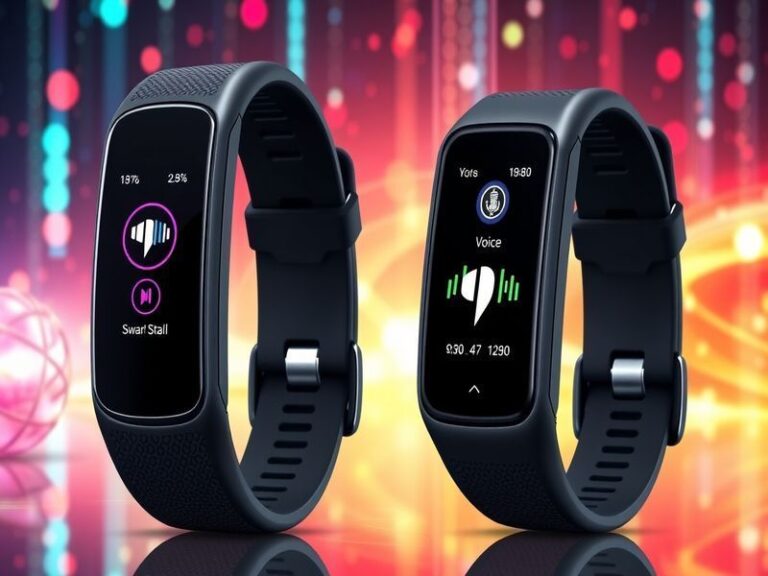
The Luna Band exemplifies the shift towards voice-led fitness solutions. This wearable device utilizes sophisticated AI algorithms to deliver personalized coaching based on user data. Here’s how it stands out:
- AI-Powered Insights: The Luna Band tracks a variety of metrics, from heart rate to sleep quality, and uses this data to offer tailored fitness advice.
- Voice-Activated Features: Users can interact with the device through voice commands, allowing for hands-free operation during workouts.
- No Subscription Fees: Unlike many competitors, the Luna Band offers its features without requiring ongoing payments, making it accessible to a broader audience.
Practical Insights for Users
The rise of voice-led fitness trackers presents several advantages for users:
- Cost Efficiency: With no subscription fees, users can invest in their health without worrying about recurring costs.
- Enhanced Motivation: Voice coaching can provide real-time encouragement, making workouts more enjoyable and effective.
- Better Personalization: Advanced AI algorithms enable more accurate adaptations of fitness plans, helping users achieve their goals faster.
Industry Implications
The emergence of devices like the Luna Band poses significant challenges to traditional fitness subscription models. Many established fitness platforms rely on ongoing fees to sustain their business models. As voice-led fitness trackers gain popularity, these companies will need to adapt or risk losing market share. Here are some potential implications:
- Increased Competition: Traditional fitness apps may need to evolve, incorporating AI features to retain users.
- Shift in Revenue Models: Companies may explore alternative monetization strategies, such as one-time purchases or in-app purchases, rather than subscriptions.
- Emphasis on User Experience: As competition heats up, companies will need to focus on providing a superior user experience to differentiate themselves.
Future Possibilities
As AI technology continues to evolve, the future of voice-led fitness trackers looks promising. Several trends may shape this landscape:
- Integration with Other Technologies: Future fitness trackers may integrate with smart home devices or virtual reality systems, creating a more immersive workout experience.
- Advanced Biometric Monitoring: As sensor technology improves, trackers may offer deeper insights into user health, including stress levels and recovery metrics.
- Community Features: Voice-led trackers might incorporate social elements, allowing users to share their progress and motivate each other through voice interactions.
In conclusion, the rise of voice-led fitness trackers, exemplified by products like the Luna Band, presents a formidable challenge to traditional subscription-based fitness models. By offering personalized coaching without ongoing fees, these devices are not only enhancing user experience but also forcing the industry to innovate. As technology continues to advance, the possibilities for voice-led fitness solutions are vast, promising a future where health and wellness are more accessible and engaging than ever before.