AI-Powered Recruitment: Automating the Hiring Process
The landscape of recruitment is undergoing a significant transformation, thanks to advancements in artificial intelligence (AI). As organizations globally strive to enhance their hiring efficiency and candidate experience, leveraging AI tools like Hyring has become a game-changer. This article explores how AI-powered recruitment tools streamline the hiring process through video interviews and resume scoring, along with practical insights, industry implications, and future possibilities.
Understanding AI in Recruitment
AI recruitment tools harness machine learning algorithms to analyze vast amounts of data, enabling organizations to make informed decisions. These tools can automate tedious tasks, reduce bias, and significantly speed up the recruitment process.
Key Features of AI Recruitment Tools
- Video Interviews: AI tools can conduct initial video screenings, analyzing candidates’ verbal and non-verbal cues to gauge their suitability.
- Resume Scoring: Algorithms evaluate resumes based on predefined criteria, ranking applicants to identify the best fits for the role.
- Chatbots: AI-powered chatbots can engage with candidates, answering queries and providing real-time updates on their application status.
- Predictive Analytics: These tools can predict a candidate’s potential success in a role by analyzing historical data and trends.
Streamlining the Hiring Process with Hyring
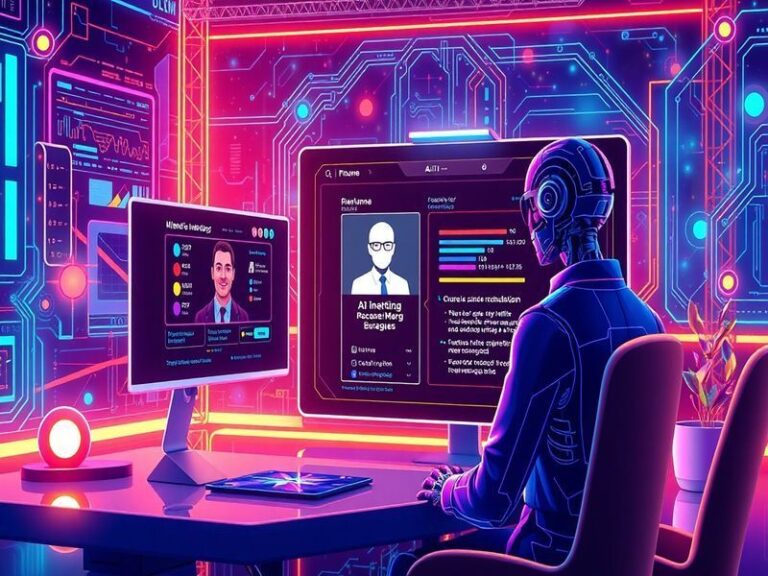
Hyring is a prime example of an AI recruitment tool that simplifies the hiring process. By integrating video interviews and resume scoring, it helps companies identify top talent efficiently.
1. Video Interviews
Hyring enables recruiters to conduct asynchronous video interviews, allowing candidates to record their responses at their convenience. This method has several advantages:
- Flexibility: Candidates can choose a time that suits them, reducing scheduling conflicts.
- Accessibility: It opens up opportunities for candidates who may not be able to attend live interviews due to geographical constraints.
- Data-Driven Insights: AI analyzes candidates’ responses, tone, and body language, providing recruiters with data-driven insights into candidate fit.
2. Resume Scoring
Hyring’s resume scoring feature automates the initial screening process by evaluating resumes against job descriptions. This is how it enhances recruitment:
- Reduction of Bias: By focusing on skills and qualifications rather than demographic information, AI minimizes unconscious bias in the hiring process.
- Efficiency: Recruiters can quickly identify top candidates, saving time and resources.
- Customizable Criteria: Organizations can set specific scoring criteria tailored to their unique needs, ensuring the best candidates rise to the top.
Industry Implications
The implementation of AI in recruitment is not without its implications for the industry. Here are a few key considerations:
- Workforce Dynamics: As AI tools take over repetitive tasks, the role of HR professionals may shift toward more strategic functions, such as talent development and employee engagement.
- Candidate Experience: With quicker response times and improved communication, candidates may experience a more positive hiring journey.
- Data Privacy Concerns: As AI systems handle sensitive personal data, organizations must ensure compliance with regulations and maintain candidate trust.
Future Possibilities
The future of AI-powered recruitment holds exciting possibilities. Advancements in technology may lead to:
- Enhanced Personalization: AI could provide a more tailored experience for candidates, suggesting roles based on their skills and preferences.
- Integration with Other HR Functions: AI tools could seamlessly integrate with performance management and employee retention strategies, creating a holistic HR approach.
- Continued Evolution of AI Technologies: As machine learning algorithms improve, AI will become even more adept at predicting candidate success and cultural fit within organizations.
Conclusion
AI-powered recruitment tools like Hyring are revolutionizing the hiring process through automation and data-driven insights. By improving efficiency, reducing bias, and enhancing candidate experience, these technologies are setting a new standard in the recruitment landscape. As we continue to embrace AI in hiring, organizations must remain vigilant about ethical considerations and the evolving role of human resources in this new frontier.