North Korea Is Using AI to Get Hired: A Look into AI Technologies in Remote Job Applications
In the rapidly evolving world of technology, artificial intelligence (AI) has emerged as a pivotal tool in reshaping industries and redefining job landscapes. One of the most intriguing developments in recent times is the reported use of AI by North Koreans for securing remote jobs in the tech sector. This article delves into how these technologies are being exploited, the implications for the industry, and what the future may hold.
The Mechanism of AI in Job Applications
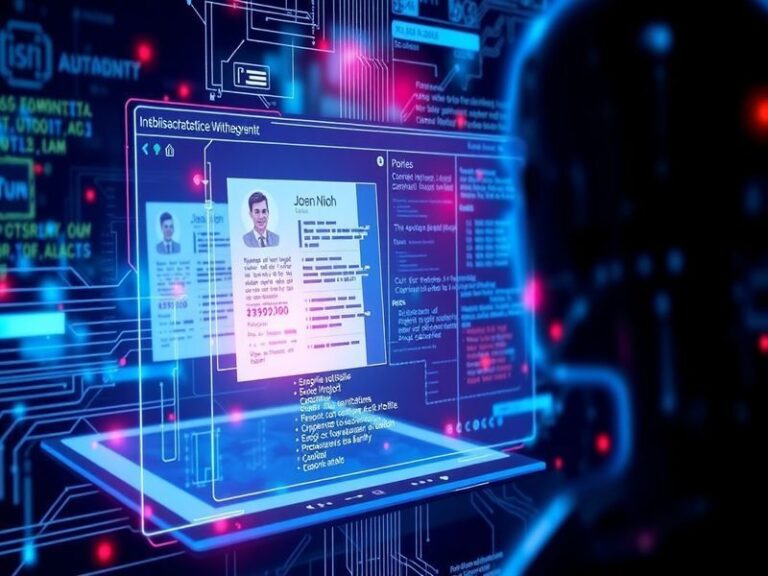
AI technologies are increasingly being integrated into job application processes, transforming how candidates present themselves and how employers assess qualifications. North Koreans, facing strict economic conditions and limited opportunities, have turned to AI to enhance their chances of securing remote jobs. Here’s how:
- Resume Optimization: AI tools analyze job descriptions and optimize resumes to match the most relevant keywords, improving the chances of passing Applicant Tracking Systems (ATS).
- Skill Development: Through online platforms, individuals can use AI-driven learning programs to acquire new skills in programming, data analysis, and other tech-related fields.
- Automated Interview Preparation: AI-driven chatbots simulate interview scenarios, helping candidates practice responses and boosting their confidence.
- Personal Branding: AI can assist in creating a strong online presence, from curating LinkedIn profiles to generating blog content that showcases expertise.
Practical Insights for Job Seekers
For job seekers in tech, understanding the role of AI can be a game changer. Here are some practical insights:
- Utilize AI Tools: Leverage AI-powered platforms for resume building, skill assessments, and interview simulations to stand out in a competitive market.
- Stay Updated: Follow trends in AI and machine learning to ensure your skills are aligned with industry demands.
- Network Effectively: Use AI to identify networking opportunities and connect with industry leaders through platforms that utilize data analysis for recommendations.
Industry Implications
The increasing use of AI in job applications, particularly by individuals from countries like North Korea, raises several industry implications:
- Global Talent Pool: The tech industry may see a more diverse and global talent pool as individuals leverage AI to overcome geographical and economic barriers.
- Ethical Considerations: Companies must navigate the ethical implications of hiring from regions with oppressive governments, considering both the potential benefits and risks.
- Increased Competition: As AI tools democratize access to job opportunities, traditional candidates face heightened competition, leading to a reevaluation of hiring criteria.
Future Possibilities
Looking ahead, the intersection of AI and job applications presents numerous possibilities:
- Enhanced AI Capabilities: As AI technologies evolve, they will become even more adept at assessing and matching candidates to roles, potentially reducing bias in the hiring process.
- Remote Work Normalization: The increasing acceptance of remote work could lead to a shift in how companies approach hiring, making them more open to candidates from diverse backgrounds.
- AI Regulation and Oversight: As AI becomes integral to hiring processes, discussions around regulation and oversight will intensify, ensuring fairness and transparency in recruitment.
Conclusion
The use of AI by North Koreans to secure remote tech jobs showcases the profound impact of technology on global employment practices. As AI tools continue to evolve, they will undoubtedly play a crucial role in shaping the future of work, providing opportunities that transcend borders and economic constraints. However, with these advancements come significant ethical considerations and industry implications that must be addressed to ensure a fair and equitable job market.