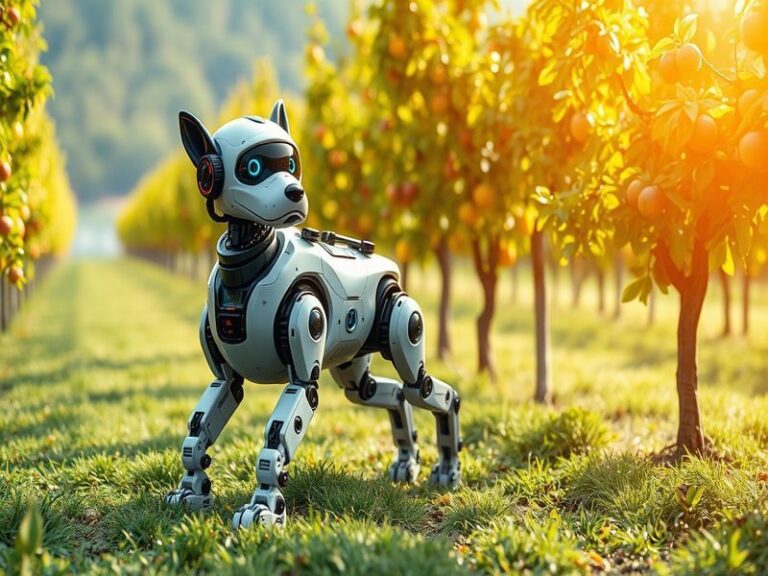
Robot Dogs Patrolling Orchards: A New Era of Agriculture
The agricultural landscape is undergoing a significant transformation fueled by advances in artificial intelligence (AI) and robotics. Among the most intriguing innovations are robot dogs designed to patrol orchards, enhancing crop monitoring and paving the way for autonomous farming solutions. This article delves into the role of AI in agriculture, the implications for the industry, and the exciting possibilities for the future.
The Role of AI in Crop Monitoring
AI is revolutionizing how farmers monitor crops by providing real-time insights and predictive analytics. Traditional methods of crop monitoring are often labor-intensive and time-consuming, but AI technologies streamline these processes. Robot dogs, equipped with sophisticated sensors and machine learning algorithms, can oversee large areas of farmland with remarkable efficiency.
- Data Collection: Robot dogs can gather extensive data on soil moisture, temperature, and plant health, allowing farmers to make informed decisions.
- Image Recognition: Utilizing computer vision, these robots can identify pests, diseases, and nutrient deficiencies by analyzing images of the crops.
- Predictive Analytics: AI algorithms can predict harvest yields based on historical data and current crop conditions, helping farmers optimize their operations.
Autonomous Farming Solutions
The introduction of autonomous robots in agriculture signifies a shift towards more efficient farming practices. Robot dogs serve as the frontline of this movement, offering several advantages:
- Labor Efficiency: With a shortage of agricultural laborers in many regions, robot dogs can perform many tasks that would typically require human intervention.
- Cost Reduction: By automating various monitoring and maintenance tasks, farmers can significantly reduce operational costs.
- Precision Agriculture: Robot dogs contribute to precision agriculture by ensuring that resources like water and fertilizers are used optimally, minimizing waste and environmental impact.
Practical Insights for Farmers
For farmers looking to integrate robot dogs into their operations, understanding their functionalities and benefits is crucial. Here are some practical insights:
- Start Small: Begin with a pilot program to assess the effectiveness of robot dogs in your specific agricultural context.
- Choose the Right Technology: Select robots that best fit your crop type and farming practices, considering factors like terrain and crop density.
- Train Your Team: Ensure that your staff is well-trained in operating and maintaining these robotic systems.
- Monitor Data Closely: Regularly analyze data collected by the robots to adjust your farming practices and improve yields.
Industry Implications
The integration of robot dogs into agriculture is expected to have profound implications for the industry. Here are some key trends:
- Increased Adoption of Robotics: As the technology matures and becomes more accessible, more farmers will adopt robotics to enhance their productivity.
- Collaboration with Tech Companies: Farmers may increasingly partner with technology companies to develop custom solutions tailored to their specific agricultural needs.
- Regulatory Changes: As robotics becomes commonplace in agriculture, policymakers may need to develop new regulations governing their use.
Future Possibilities
The future of robot dogs in agriculture is bright, with several exciting possibilities on the horizon:
- Enhanced AI Capabilities: Future robot dogs could leverage advanced AI technologies, such as deep learning and reinforcement learning, to improve their decision-making and learning capabilities.
- Interconnectivity: As the Internet of Things (IoT) expands, robot dogs could communicate with other farm machinery and systems, allowing for coordinated farming efforts.
- Environmental Monitoring: Beyond crop monitoring, these robots could also contribute to broader environmental assessments, tracking biodiversity and ecosystem health.
In conclusion, robot dogs represent a promising innovation in the agricultural sector, with the potential to reshape how farming is conducted. By harnessing the power of AI and robotics, farmers can achieve greater efficiency, sustainability, and productivity in their operations. As we continue to explore the capabilities of these technologies, the future of agriculture looks increasingly automated and data-driven.