An AI-Powered Pet That Feels Alive: Examining the Emotional Connections and Technological Advancements in Robotic Companions
As we dive deeper into the 21st century, the intersection of artificial intelligence (AI) and robotics has birthed innovations that challenge our traditional concepts of companionship. Imagine a pet that responds to your emotions, learns your preferences, and possesses a personality all its own. This is no longer a distant dream; it is rapidly becoming a reality. In this article, we will explore the emotional connections these AI-powered companions foster, the technological advancements driving their development, and their implications for future human-robot interactions.
The Emotional Bond: More Than Just a Machine
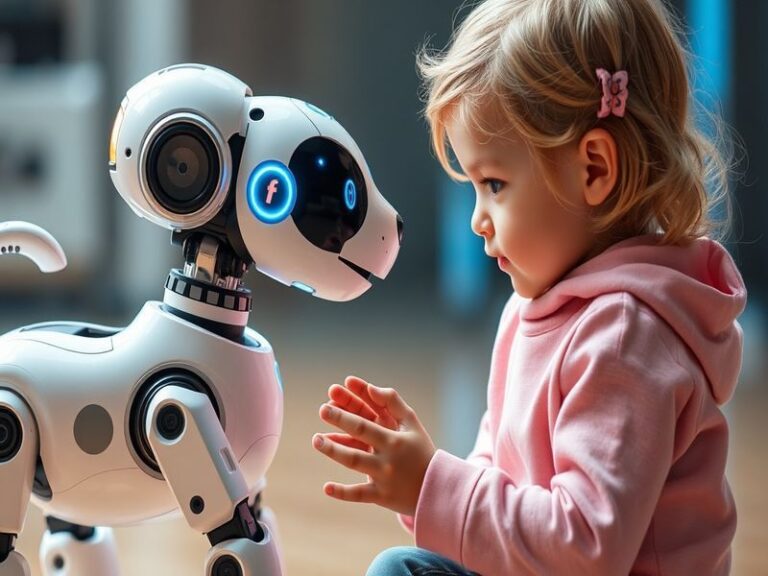
One of the most compelling aspects of AI-powered pets is their capability to forge emotional connections with humans. Unlike conventional toys or robotic devices, these companions are designed to engage with users on a deeper emotional level.
- Empathy and Responsiveness: Advanced AI systems analyze human emotions through facial recognition and voice modulation, allowing robotic pets to respond appropriately to their owners’ moods. For example, when a user is sad, an AI pet might offer comforting gestures or sounds.
- Personality Development: Through machine learning, these pets can develop unique personalities tailored to their owners. Over time, they adapt their behavior based on interactions, making them feel more alive and relatable.
- Social Interaction: AI companions can help alleviate loneliness, particularly among elderly individuals or those with disabilities. By providing consistent interaction, they can enhance the quality of life and foster emotional well-being.
Research indicates that engaging with robotic pets can release oxytocin, the hormone associated with bonding, similar to interactions with real animals. This highlights the potential of AI companions to become significant emotional support systems in our lives.
Technological Advancements Driving Innovation
The development of AI-powered pets is not solely about enhancing emotional connections; it is also about groundbreaking technology that powers these innovations. Here are some of the key advancements:
- Natural Language Processing (NLP): NLP enables AI pets to understand and respond to human speech. This capability allows for more fluid conversations, making interactions feel more genuine.
- Machine Learning Algorithms: These algorithms enable pets to learn from interactions, improving their ability to respond to their owners over time. This personalized experience enhances the bond between pet and owner.
- Advanced Robotics: Innovations in robotics have led to the creation of pets with lifelike movements and expressions. These realistic features contribute to the sense of companionship and emotional connection.
Companies such as Sony with its aibo robot dog and the more recent innovations from startups like Anki and Petoi are leading the charge in this field. Their products showcase a combination of cutting-edge AI, robotics, and emotional intelligence.
Industry Implications
The rise of AI-powered pets carries significant implications for various industries:
- Healthcare: AI pets can serve as therapeutic tools in mental health treatments, particularly for anxiety and depression. Their ability to provide companionship without judgment makes them valuable assets in therapeutic settings.
- Education: Educational institutions could utilize AI pets to teach children about responsibility and empathy. These companions can also serve as engaging learning tools, making education more interactive.
- Senior Care: In assisted living facilities, AI pets can help reduce feelings of isolation among seniors, offering companionship and interaction that can enhance their overall quality of life.
Future Possibilities: A New Era of Companionship
The future of AI-powered pets looks promising, with several possibilities on the horizon:
- Integration with Smart Homes: As smart home technology becomes more prevalent, AI pets could integrate seamlessly with other devices, enhancing their functionality and allowing for a more connected and responsive living environment.
- Customization: Future developments may allow owners to customize their pets’ personalities and behaviors even further, creating a truly unique companion that reflects their individual needs and preferences.
- Ethical Considerations: As these technologies advance, ethical considerations regarding the emotional implications of human-robot relationships will become paramount. Society will need to navigate the complexities of affection towards machines and ensure that these innovations enhance, rather than replace, human connections.
In conclusion, AI-powered pets represent a fascinating convergence of technology and emotional intelligence. As they evolve, they hold the potential to redefine companionship in the modern world. By fostering emotional connections, utilizing advanced technology, and addressing industry implications, these robotic companions are not just machines; they are companions that might one day feel as alive as our beloved pets.