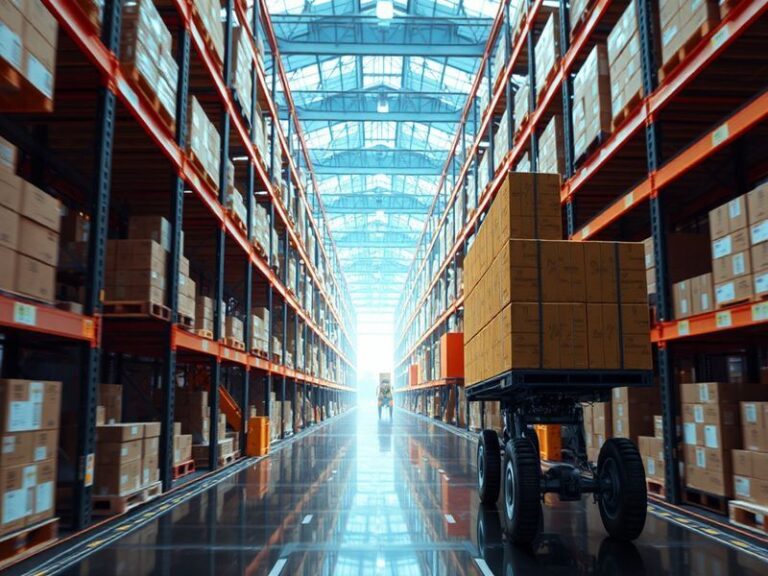
Shipping Robots at an Unprecedented Rate: A Look at the Company Revolutionizing Robotics
In the rapidly evolving landscape of technology, robotics has emerged as a key player, particularly in the logistics and shipping sectors. One company, in particular, stands out for its ambitious goal: dispatching a robot every 90 minutes. This innovative approach not only enhances operational efficiency but also signals a significant shift in how industries leverage artificial intelligence (AI) and automation to meet consumer demands.
The Evolution of Shipping Robots
Shipping robots are no longer a figment of science fiction; they are here and revolutionizing the logistics industry. Companies are increasingly turning to robotics to streamline their operations, improve delivery times, and reduce human error. The integration of machine learning and AI into these systems allows them to navigate complex environments with increasing autonomy.
Meet the Innovator
The company leading this revolution has developed a system that enables the deployment of a shipping robot every 90 minutes. This ambitious cadence is supported by a robust infrastructure of AI algorithms and real-time data analytics. The robots are equipped with advanced sensors and cameras, allowing them to make split-second decisions, avoid obstacles, and optimize routes.
How It Works
The underlying technology powering these shipping robots is a combination of several advanced technologies:
- Computer Vision: Robots use cameras and sensors to understand their environment, recognizing obstacles and navigating through them.
- Machine Learning: Continuous learning algorithms enable robots to improve their operational efficiency by analyzing past delivery data and adapting their routes accordingly.
- Real-Time Data Processing: The robots can process data on-the-go, allowing them to respond to changing conditions in real-time.
Industry Implications
The implications of this revolutionary shipping model are profound:
- Increased Efficiency: With robots operating at such a rapid pace, companies can handle a larger volume of shipments, significantly reducing delivery times.
- Cost Reduction: Automating shipping reduces labor costs and human error, leading to savings that can be passed on to consumers.
- Enhanced Customer Experience: Faster deliveries improve customer satisfaction, an essential factor in today’s highly competitive market.
Challenges to Overcome
While the benefits are substantial, the implementation of shipping robots is not without challenges:
- Technical Limitations: Current technology may struggle with complex environments such as urban areas or congested warehouses.
- Regulatory Hurdles: As with any emerging technology, regulatory frameworks need to adapt to ensure the safe operation of autonomous robots.
- Public Acceptance: Gaining consumer trust in robotic delivery systems is crucial for widespread adoption.
Future Possibilities
The future of shipping robots is bright, with several exciting developments on the horizon:
- Integration with Drones: The combination of ground robots and aerial drones could redefine last-mile delivery, enabling faster service in urban environments.
- Collaborative Robots: The future may see more robots working alongside human workers, enhancing productivity rather than replacing jobs.
- Global Expansion: As technology improves and costs decrease, shipping robots could become a staple in logistics worldwide, including remote and underserved regions.
Conclusion
The company innovating shipping robots at an unprecedented rate is not just a pioneer in automation; it is setting a standard for the logistics industry. The ability to dispatch a robot every 90 minutes not only showcases technological advancement but also highlights the potential for AI and robotics to reshape how goods are transported across the globe. As we move forward, the integration of these technologies will likely lead to a more efficient, cost-effective, and customer-friendly shipping experience.