The Rise of AI-Assisted Meeting Management
In today’s fast-paced business environment, effective communication and collaboration are essential. As remote work becomes more prevalent, professionals are increasingly challenged to manage their time and meetings efficiently. Enter AI-assisted meeting management tools like Lindy, which are revolutionizing how meetings are scheduled and conducted. This article explores the impact of AI on meeting management, highlighting practical insights, industry implications, and future possibilities.
The Role of AI in Meeting Management
Artificial intelligence has made significant strides in various sectors, and meeting management is no exception. AI tools like Lindy leverage machine learning algorithms and natural language processing (NLP) to streamline the scheduling process. Here’s how:
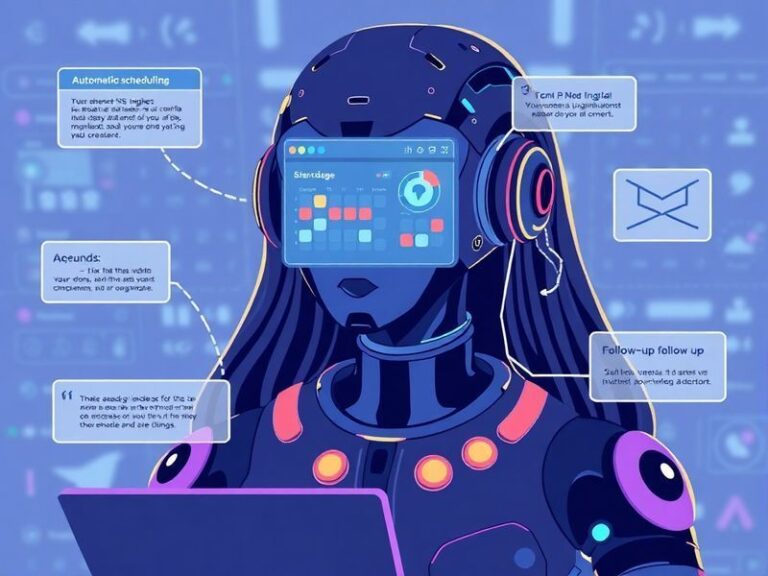
- Smart Scheduling: AI can analyze participants’ calendars, preferences, and time zones to suggest optimal meeting times, eliminating back-and-forth emails.
- Agenda Creation: AI can assist in drafting meeting agendas based on previous discussions or project milestones, ensuring that all relevant topics are covered.
- Follow-Up Automation: After a meeting, AI tools can automatically generate and send follow-up emails, summarizing discussions and assigning action items.
Practical Insights: How AI Tools Enhance Productivity
AI-assisted meeting management tools offer several practical benefits that enhance productivity for professionals:
- Time Savings: By automating scheduling and follow-ups, professionals can focus on more critical tasks rather than getting bogged down in meeting logistics.
- Increased Engagement: With well-structured agendas and clear follow-ups, participants are more likely to be engaged and productive during meetings.
- Data-Driven Decisions: AI tools can provide analytics on meeting frequency, participant engagement, and outcomes, enabling teams to make informed decisions about their meeting practices.
Industry Implications: Transforming Work Culture
The integration of AI in meeting management is not just a technological advancement; it is reshaping work culture across industries. Here are some implications:
- Remote Work Enablement: As remote work becomes the norm, AI tools facilitate seamless scheduling across different time zones, making collaboration easier for distributed teams.
- Cost Efficiency: Companies can reduce costs associated with over-scheduling, as AI helps teams to consolidate meetings and avoid redundancy.
- Enhanced Collaboration: AI tools foster better collaboration by ensuring all team members are on the same page with clear agendas and follow-up actions.
Future Possibilities: The Evolution of AI in Meeting Management
As AI technology continues to evolve, the potential for AI-assisted meeting management is vast. Here are some future possibilities:
- Integration with Other Tools: Future AI meeting assistants may integrate even more deeply with project management, CRM, and communication tools, creating a seamless workflow for users.
- Advanced Personalization: As AI learns from user preferences, it can offer personalized meeting suggestions, including locations (for hybrid meetings), formats, and even participant suggestions.
- Real-Time Feedback: Future AI tools could provide real-time feedback during meetings, analyzing participant engagement through sentiment analysis and suggesting adjustments on the fly.
Conclusion
The rise of AI-assisted meeting management tools like Lindy marks a significant shift in how professionals approach scheduling and conducting meetings. By leveraging AI’s capabilities, companies can enhance productivity, foster collaboration, and ultimately transform their work culture. As technology continues to advance, we can expect even more innovative features that will further streamline the meeting experience. Embracing these tools is not just about keeping up with trends; it’s about preparing for a more efficient and effective future in professional communication.