Humanoid Robots: Inside Figure’s Innovative Factory
As automation increasingly permeates various sectors, humanoid robots stand at the forefront of this revolution, particularly in manufacturing. One of the most innovative factories leading this change is Figure. This article offers an exclusive peek inside Figure’s state-of-the-art facility, where cutting-edge technology meets functional design, and explores how humanoid robots are transforming automation in the manufacturing landscape.
The Rise of Humanoid Robots in Manufacturing
Humanoid robots possess a unique advantage in manufacturing: they are designed to mimic human movements and behaviors. This capability allows them to perform tasks that are traditionally labor-intensive and require human dexterity and decision-making skills. With advancements in artificial intelligence (AI) and machine learning, these robots are becoming increasingly sophisticated and capable of adapting to various manufacturing processes.
- Enhanced Efficiency: Humanoid robots can work tirelessly and consistently, significantly increasing productivity.
- Flexibility: They can be programmed to perform multiple tasks, allowing manufacturers to adapt quickly to changing demands.
- Safety: By taking over dangerous or repetitive tasks, humanoid robots can reduce workplace injuries.
Inside Figure’s Factory: A Model of Innovation
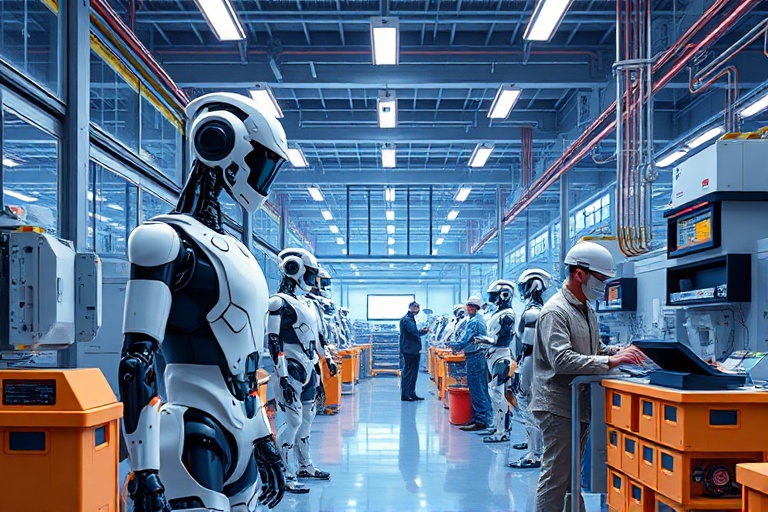
Figure’s factory is a marvel of modern engineering. With a blend of advanced robotics, AI, and human collaboration, it exemplifies how humanoid robots can seamlessly integrate into manufacturing processes. Here are some key features of Figure’s operations:
- Smart Integration: Figure employs an interconnected system where humanoid robots communicate with each other and with human workers. This system ensures that processes are synchronized, reducing downtime and improving overall efficiency.
- AI-Driven Learning: The robots are equipped with machine learning algorithms that allow them to learn from their environment and improve their performance over time. This self-learning capability is crucial for adapting to new tasks without extensive reprogramming.
- Real-Time Data Processing: The factory uses advanced sensors and AI to gather real-time data, allowing for immediate adjustments in operations. This helps in identifying bottlenecks and optimizing workflows.
These features not only streamline production but also enhance the quality of the output, making Figure a leader in the manufacturing sector.
Industry Implications of Humanoid Robots
The introduction of humanoid robots in manufacturing carries significant implications for various industries:
- Cost Reduction: By automating repetitive tasks, companies can lower labor costs and reallocate human resources to more complex roles that require critical thinking.
- Increased Production Capacity: Humanoid robots can operate around the clock, leading to higher output and quicker turnaround times for products.
- Workforce Evolution: As robots take on menial tasks, the demand for skilled workers who can manage and maintain these systems will rise, necessitating a shift in workforce training and education.
Future Possibilities: What Lies Ahead?
The future of humanoid robots in manufacturing is promising. As technology continues to evolve, we can expect:
- Greater Collaboration: The future will likely see more integrated human-robot teams, where workers and robots collaborate on tasks, leveraging each other’s strengths.
- Enhanced Customization: Humanoid robots will become more specialized, capable of customizing products on-demand, catering to unique customer specifications.
- Global Impact: As humanoid robots become more cost-effective, their adoption will spread globally, helping developing nations enhance their manufacturing capabilities.
With these advancements, humanoid robots could redefine the landscape of manufacturing, driving innovation and efficiency across the supply chain.
Conclusion
Figure’s innovative factory showcases the transformative potential of humanoid robots in manufacturing. By combining advanced AI, machine learning, and human ingenuity, these robots are not just machines; they represent a new era of automation where the boundaries between human abilities and robotic efficiency blur. As industries continue to adapt and evolve, the implications of this transformation will resonate across sectors, shaping the future of work and production.