OpenAI’s Codex Now Integrated with Chrome: Enhancing Productivity Across Browser Tabs
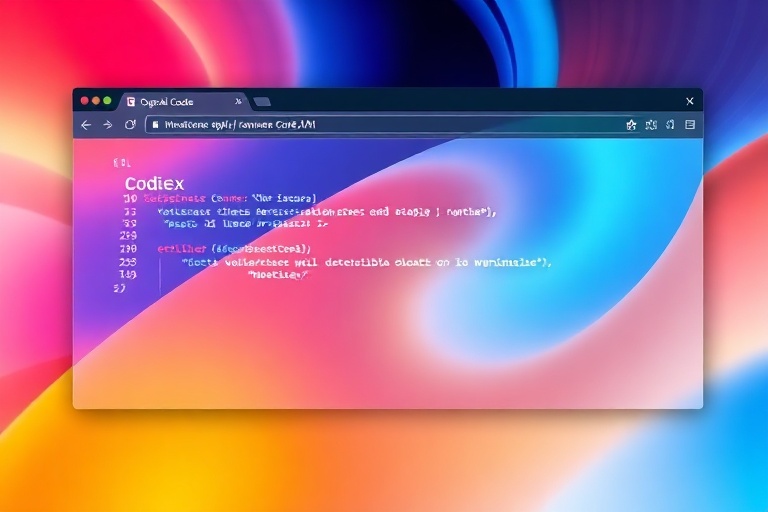
In the fast-paced world of technology, productivity tools that seamlessly integrate with our daily workflows can significantly enhance our efficiency. OpenAI’s Codex, a powerful AI model designed to understand and generate code, has taken a significant leap forward by integrating with the Google Chrome browser. This new Chrome extension not only simplifies coding tasks but also enhances productivity across multiple browser tabs, allowing users to focus on what truly matters.
Understanding OpenAI’s Codex
OpenAI’s Codex is a descendant of the GPT-3 model, specifically tuned for programming tasks. It can interpret natural language prompts and convert them into functional code snippets across various programming languages, including Python, JavaScript, and more. The integration of Codex with Chrome allows users to access its capabilities directly from their browser, making it an invaluable tool for developers, data analysts, and tech enthusiasts alike.
Key Features of the Chrome Extension
The new Chrome extension brings several features to the forefront that aim to streamline workflows and enhance user experience:
- Contextual Code Suggestions: As users browse through documentation or development forums, Codex can provide real-time suggestions for code snippets, reducing the time spent searching for solutions.
- Multi-tab Functionality: Users can interact with Codex while working across several tabs, ensuring that their coding needs are met without disrupting their workflow.
- Natural Language Processing: Users can ask Codex questions in plain English, making it easier for non-technical users to leverage powerful coding tools.
- Error Detection and Correction: Codex can analyze code snippets for errors, offering suggestions for corrections, which is especially beneficial for beginners and seasoned developers alike.
- Integration with Popular Platforms: The extension can connect with platforms like GitHub and Stack Overflow, allowing users to pull in relevant code examples and documentation directly.
Practical Insights for Users
The integration of Codex with Chrome opens up numerous possibilities for individuals and teams looking to enhance their productivity:
- Streamlined Development Process: With instant access to code suggestions, developers can code faster, allowing for a more efficient development cycle.
- Learning Tool for New Developers: The natural language interface can serve as a learning aid, helping new developers understand coding concepts more easily.
- Enhanced Collaboration: Teams can share their workflows with Codex, facilitating better collaboration and faster problem-solving.
- Reduced Context Switching: By accessing coding assistance directly within the browser, users can minimize the need to switch between applications, keeping them focused on their tasks.
Industry Implications
The integration of Codex with Chrome has several implications for the tech industry:
- Boost in Developer Productivity: As AI continues to assist in coding, developers may witness a significant increase in productivity, enabling them to tackle more complex projects.
- Shift in Learning Paradigms: Educational institutions may begin to adopt AI-driven tools like Codex as part of their curriculum, reshaping how coding is taught and learned.
- Improved Software Quality: With AI-assisted coding, the potential for bugs and errors in software may decrease, leading to higher quality products.
- Accessibility for Non-Technical Users: The ability to generate code via natural language prompts could democratize software development, allowing more individuals to participate in the tech landscape.
Future Possibilities
As AI technology continues to evolve, the future of Codex integration with Chrome—and similar tools—holds exciting possibilities:
- Enhanced Context Awareness: Future iterations of Codex could implement deeper context awareness, allowing it to understand project-specific requirements better.
- Broader Language Support: Expanding support for additional programming languages and frameworks could make Codex an indispensable tool for a larger audience.
- Collaboration with Other AI Tools: Integration with other AI tools and platforms could create a comprehensive ecosystem for coding assistance and project management.
- Personalized Learning Experiences: Codex could evolve to provide tailored coding resources based on a user’s previous interactions and learning pace.
Conclusion
The integration of OpenAI’s Codex with Chrome represents a significant advancement in productivity tools for developers and tech enthusiasts. By providing real-time code suggestions, error detection, and natural language processing capabilities, Codex is poised to transform the way coding is approached in the modern workspace. As AI continues to evolve and integrate into our daily tools, the future looks bright for innovation in software development.