The Human Operator: MIT’s AI That Controls Your Body
Imagine a future where artificial intelligence not only assists you in your daily tasks but also enables your body to perform movements in ways you never thought possible. This is not a science fiction fantasy but a reality being developed at the Massachusetts Institute of Technology (MIT). The project, known as the Human Operator, uses electrical muscle stimulation (EMS) to facilitate AI-guided physical movements, opening doors to unprecedented applications in rehabilitation, sports, and even everyday assistance.
What is Electrical Muscle Stimulation?
Electrical muscle stimulation (EMS) is a technique that uses electrical impulses to cause muscle contractions. It has been utilized in various fields, from physical therapy to athletic training. The basic premise involves placing electrodes on the skin over muscles, which then deliver electrical signals that mimic the natural signals from the nervous system.
EMS has several advantages:
- Rehabilitation: It helps in muscle recovery and strength rebuilding after injuries.
- Performance enhancement: Athletes use it to improve muscle performance and endurance.
- Convenience: It can be used in various settings, including at home, without the need for specialized equipment.
The Role of AI in EMS
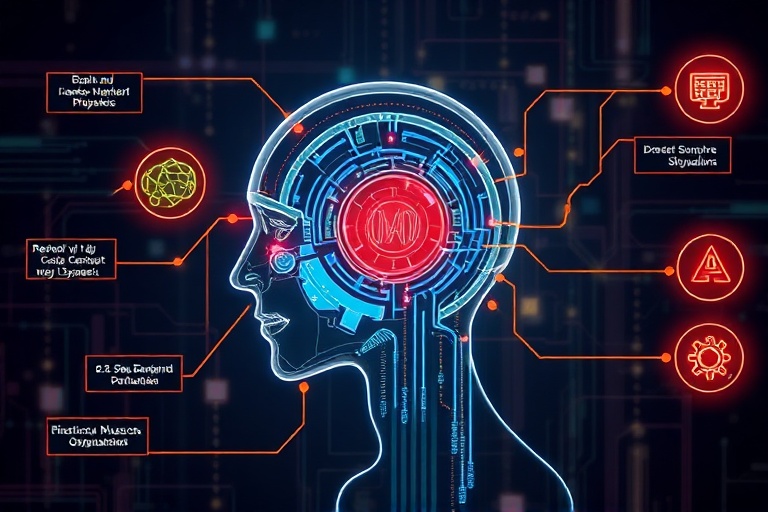
When combined with AI, EMS transcends its traditional applications. The Human Operator project employs machine learning algorithms to analyze the user’s physiological responses and adjust the stimulation parameters in real-time. This integration enables the AI to learn and adapt to individual movement patterns, making it a personalized experience.
Practical Insights into Human Operator Technology
The Human Operator technology showcases several practical insights that are reshaping the landscape of assistive devices and rehabilitation tools:
- Personalized Training: The AI can tailor muscle stimulation based on real-time data from the user, ensuring optimal results tailored to individual needs.
- Enhanced Mobility: Individuals with mobility impairments can benefit significantly, as the AI can assist in movements that they might struggle with, enhancing their overall mobility and independence.
- Data-Driven Decisions: Continuous monitoring and data collection allow healthcare professionals to make informed decisions about treatment plans, thereby improving patient outcomes.
Industry Implications
The implications of AI-guided EMS technology extend far beyond rehabilitation. Various industries could potentially harness its capabilities:
- Healthcare: Hospitals and rehabilitation centers can implement these tools for more effective patient recovery protocols.
- Sports: Athletic trainers can use AI-driven EMS for injury prevention and performance enhancement, giving athletes a competitive edge.
- Assistive Technologies: Companies developing assistive devices can integrate this technology to create more effective solutions for individuals with disabilities.
Future Possibilities
As the Human Operator technology evolves, its potential applications are vast:
- Integration with Wearable Devices: Future iterations could see this technology incorporated into wearable devices, allowing real-time feedback and assistance during physical activities.
- Telemedicine: Remote monitoring and treatment could become the norm, with patients receiving EMS therapy directed by AI from the comfort of their homes.
- Enhanced Human-Computer Interaction: This technology could pave the way for more intuitive interfaces, where users can control machines or robots with their thoughts and body movements.
Moreover, as AI and machine learning continue to advance, the algorithms used for movement prediction and muscle activation will become more sophisticated, enabling even greater levels of control and efficiency.
Conclusion
The Human Operator project at MIT stands at the forefront of a transformative approach to merging artificial intelligence with physical movement. By utilizing electrical muscle stimulation guided by AI, this technology not only enhances rehabilitation and athletic performance but also promises to revolutionize assistive technologies. As we look to the future, the implications of this research could redefine what it means to assist and empower individuals through technology, making physical limitations a thing of the past.