OpenAI’s Comprehensive Guide to Image Prompting: Effective Techniques for Generating Images with AI
As artificial intelligence continues to evolve, the ability to generate images from textual descriptions has become a key area of innovation. OpenAI’s advancements in this field, particularly through models like DALL-E, have transformed how we think about visual content creation. This article aims to provide a detailed look at effective techniques for generating images with AI, focusing on practical insights, industry implications, and future possibilities.
Understanding Image Prompting
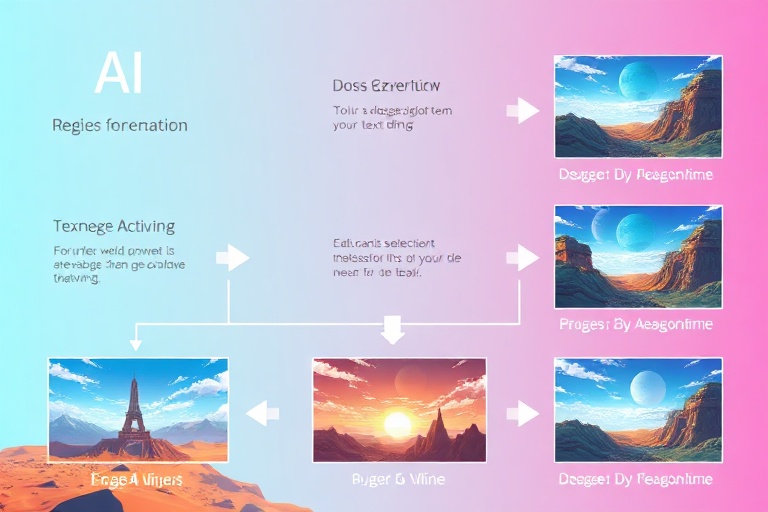
Image prompting refers to the process of generating images based on textual descriptions. This technique leverages deep learning models trained on vast datasets of images and corresponding descriptions. The quality of the images produced largely depends on how well the prompts are crafted. A well-structured prompt can lead to stunning visual outputs, while vague or poorly defined prompts may yield unsatisfactory results.
Effective Techniques for Crafting Prompts
To maximize the potential of AI image generation, it is essential to develop effective prompting techniques. Here are some strategies that can improve the quality of the images generated:
- Be Specific and Descriptive: The more details you provide in your prompt, the better the model can understand your intent. Instead of saying “a dog,” try “a golden retriever playing in a sunny park.”
- Use Clear Contextual Cues: Contextual information can significantly influence the output. Including details about the environment, mood, or action can help refine the generated image.
- Incorporate Artistic Styles: If you have a specific style in mind, such as “in the style of Van Gogh” or “a modern digital art piece,” make sure to include that in your prompt.
- Iterate and Experiment: Don’t hesitate to modify your prompts based on the results you receive. Iteration is key to honing in on the desired output.
Real-World Applications
The implications of effective image prompting extend across various industries. Here are a few notable applications:
- Graphic Design: Designers can use AI-generated images as a base for their projects, allowing for rapid prototyping and creative exploration.
- Advertising: Marketers can quickly generate visuals for campaigns tailored to specific demographics or themes, enhancing engagement.
- Entertainment: Filmmakers and game developers can create concept art and storyboards, streamlining the pre-production phase.
- Education: Educators can generate visual aids and illustrations to enhance learning experiences, making complex concepts more accessible.
Industry Implications
The rise of AI-generated imagery poses both opportunities and challenges for various sectors:
- Democratization of Creativity: With tools like OpenAI’s image generation models, individuals without formal art training can produce high-quality visuals, leveling the playing field.
- Intellectual Property Concerns: As AI-generated content becomes more prevalent, questions arise regarding ownership and copyright for images created from prompts.
- Job Displacement: While new roles may emerge, traditional roles in graphic design and illustration could face disruption as AI tools become more sophisticated.
Future Possibilities
Looking ahead, the future of image prompting and AI-generated imagery is full of potential:
- Increased Personalization: As models improve, we can expect even more tailored images based on individual preferences and styles.
- Integration with Other Technologies: Combining image generation with augmented reality (AR) and virtual reality (VR) could result in immersive experiences that blend real-world and AI-generated visuals.
- Advanced Collaboration Tools: Future platforms may allow for real-time collaboration between users and AI, enhancing creative workflows.
Conclusion
OpenAI’s advancements in image prompting represent a significant leap forward in the intersection of AI and creativity. By understanding and applying effective prompting techniques, individuals and businesses can harness this technology to produce stunning visual content. As we continue to explore the capabilities of AI, the possibilities for innovation in various industries remain limitless.