The Rise of AI Music: Anthropic’s 24/7 Radio Station
The music industry has long been a playground for innovation, and with the advent of artificial intelligence (AI), it is undergoing a seismic shift. One of the latest developments in this realm is Anthropic’s 24/7 AI-powered radio station, which exemplifies how AI is reshaping the way we create and consume music. This article delves into how AI technologies are revolutionizing the music landscape, the implications for the industry, and what the future may hold.
Understanding AI in Music
AI’s integration into music is not merely about generating tunes; it’s about enhancing and personalizing the entire listening experience. From algorithmically generated playlists to AI-generated compositions, the scope of AI in music is expansive. Here are some key areas where AI is making an impact:
- Content Creation: AI algorithms can generate music that mimics styles of various genres and artists, making it easier for creators to produce unique tracks.
- Data Analysis: AI can analyze listener preferences and trends to curate personalized playlists, improving user engagement.
- Music Production: Tools powered by AI can assist producers in mixing and mastering tracks, enhancing sound quality with less human intervention.
Anthropic’s 24/7 AI Radio Station
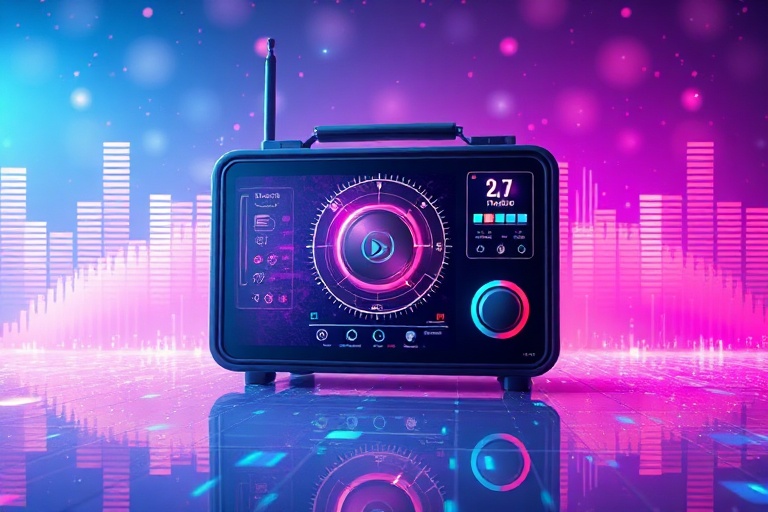
Anthropic, known for its advanced AI research, has launched a continuous streaming radio station that leverages AI to provide a unique listening experience. This station not only plays music but also adapts to listener preferences in real-time. Here’s how it operates:
- Adaptive Playlists: The AI analyzes listener feedback and adjusts playlists accordingly, ensuring that users are always presented with music they enjoy.
- Genre Blending: With a vast database of music styles, the AI can seamlessly blend genres, introducing listeners to new music they might not have discovered otherwise.
- Engagement Features: The station incorporates interactive elements, such as allowing listeners to vote on songs or provide feedback, which helps refine the AI’s music selection further.
Industry Implications
The rise of AI music, exemplified by Anthropic’s radio station, carries significant implications for the music industry:
- New Opportunities for Artists: Independent artists can leverage AI tools to create, promote, and distribute their music, democratizing the music creation process.
- Challenges for Traditional Labels: As AI-generated music gains popularity, traditional music labels may need to reevaluate their business models and how they scout and promote talent.
- Copyright Issues: The use of AI to create music raises questions about copyright ownership and the rights of human versus machine creators.
Future Possibilities
As AI technology continues to evolve, its role in the music industry is expected to expand. Here are some potential future developments:
- Enhanced Personalization: Future AI systems may offer even more tailored listening experiences, predicting what users want to hear based on complex algorithms.
- Collaborative AI Artists: We might see the emergence of AI as a co-creator, collaborating with human artists to produce innovative and unique musical compositions.
- Live AI Performances: The possibility of AI-generated live performances could change the landscape of concerts, providing audiences with a new type of entertainment.
The integration of AI into the music industry presents a dual-edged sword. On one hand, it opens up exciting new avenues for creativity and engagement; on the other, it raises ethical questions about originality and human involvement. As we look ahead, the role of AI in music will likely continue to evolve, challenging our perceptions of artistry and entertainment.
Conclusion
The launch of Anthropic’s 24/7 AI-powered radio station is just one example of how AI technologies are reshaping the music industry. From content creation to listener engagement, the implications are profound. As we embrace these innovations, it’s essential to consider not only the opportunities they present but also the challenges and ethical questions they raise. The future of music may be more innovative than ever, but it will require careful navigation through the complexities that AI brings with it.