Spotify and UMG’s AI Remix Collaboration: Redefining Music Creation
In a groundbreaking collaboration, Spotify and Universal Music Group (UMG) have launched an innovative generative AI tool that allows fans to legally remix popular songs. This initiative not only empowers creators but also paves the way for a new paradigm in music consumption and production. As technology continues to reshape the music industry, the implications of this collaboration extend far beyond just remixing songs.
The Genesis of the Collaboration
The partnership between Spotify and UMG aims to leverage the capabilities of artificial intelligence to offer music fans a unique opportunity to engage with their favorite tracks. By utilizing cutting-edge generative AI technology, the collaboration seeks to create a platform that allows users to remix existing songs legally. This is a significant departure from traditional remixing practices, which often involve navigating complex copyright issues.
How the AI Remix Tool Works
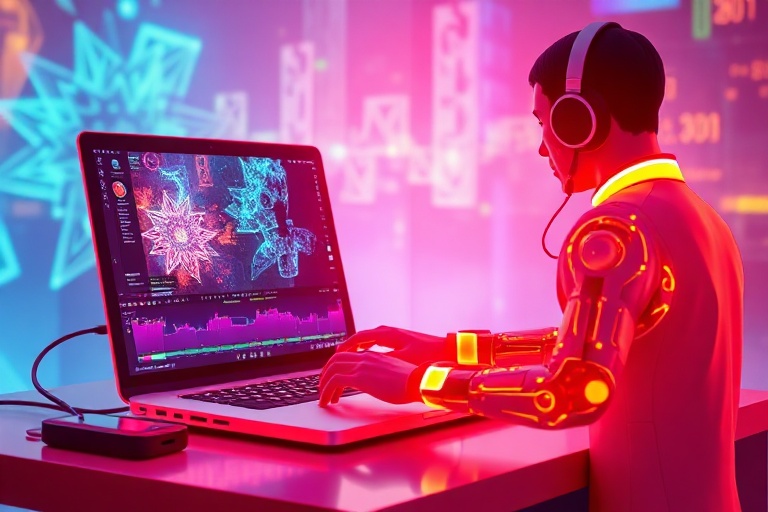
The new AI-powered tool provides an intuitive interface for users, enabling them to manipulate various elements of a song. Here’s how it works:
- Song Selection: Users can select from a catalog of popular tracks made available by UMG.
- Remix Options: The tool provides options to adjust vocals, instrumentals, and beats, allowing for a personalized remix experience.
- AI Assistance: The generative AI suggests enhancements and modifications, making it easier for users to create high-quality remixes.
- Legal Framework: Once a remix is completed, it can be shared on Spotify, with revenues generated allocated fairly between the remixers and original artists.
Industry Implications
The implications of this collaboration are profound for the music industry:
- Empowering Fans: This initiative democratizes music creation, allowing fans to express their creativity and connect with the music on a deeper level.
- New Revenue Streams: By sharing revenue with original artists, the model incentivizes creators to produce more content and engage with fans.
- Innovation in Music Production: The use of AI helps bridge the gap between amateur and professional music production, allowing anyone with a passion for music to contribute.
- Legal Clarity: The collaboration establishes a clear legal framework for remixing, reducing the risks of copyright infringement that typically accompany unauthorised remixes.
Practical Insights for Users
For music enthusiasts eager to dive into the world of remixing, here are some practical insights:
- Explore the Catalog: Familiarize yourself with the available tracks to understand the genres and styles that resonate with you.
- Experiment with Features: Take advantage of the AI tool’s features to experiment with different remix styles, from hip-hop beats to electronic sounds.
- Engage with the Community: Share your remixes on social media and engage with other creators to gain feedback and inspiration.
- Understand the Revenue Sharing: Be aware of how revenue sharing works to better appreciate the financial aspects of your creations.
Future Possibilities
The Spotify and UMG collaboration could signal the beginning of a new era in music. As generative AI technology continues to evolve, we can expect several future developments:
- More Inclusive Platforms: Other streaming services may adopt similar models, leading to a broader range of user-generated content in the music space.
- Advanced AI Tools: Future iterations of the tool could include even more sophisticated AI features, such as personalized sound suggestions based on user preferences.
- Collaborative Opportunities: Partnerships with other music labels could expand the range of available tracks for remixing, enriching the user experience.
- Integration with Other Media: The technology could be adapted for other forms of media, such as video or interactive storytelling, creating a multi-dimensional creative experience.
Conclusion
Spotify and UMG’s AI remix collaboration represents a significant advancement in the intersection of technology and music. By empowering fans to create and share their interpretations of popular songs legally, this initiative not only opens new avenues for creativity but also fosters a more connected and engaged music community. As we look to the future, the possibilities are limitless, promising an exciting evolution in how we experience and interact with music.