Music v2 by ElevenLabs: A New Era in AI-Generated Music
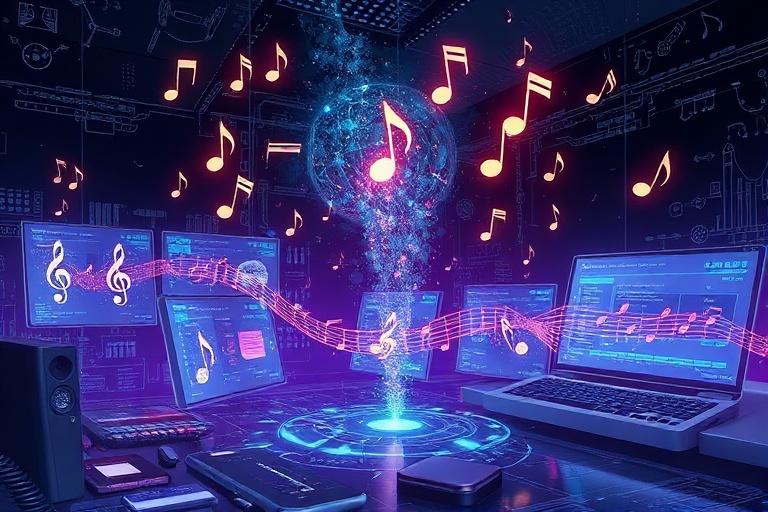
As technology continues to evolve, the music industry finds itself at the forefront of innovation, particularly with the advent of AI-generated compositions. ElevenLabs has recently introduced Music v2, a groundbreaking tool that enhances the capabilities of AI in music creation. This article delves into the enhancements in AI music composition brought by Music v2, its commercial implications, and the future possibilities for the industry.
Enhancements in AI Music Composition
Music v2 leverages advanced machine learning algorithms and neural networks to produce high-quality music that resonates with listeners. The enhancements over its predecessor are significant and include:
- Improved Melody Generation: The new version offers more complex and engaging melodies, allowing for diverse musical styles and genres.
- Emotion and Mood Recognition: Music v2 can analyze emotional cues and create compositions that reflect specific moods, enhancing the listening experience.
- Real-time Collaboration: Musicians can collaborate with AI in real-time, making it easier to experiment and iterate on musical ideas.
- Customizable Outputs: Users can input specific parameters and preferences, leading to more personalized music tailored to individual tastes.
- Enhanced Instrumentation: The tool now supports a wider array of instruments and sounds, enriching the texture of the compositions.
Commercial Implications
The enhancements in Music v2 pave the way for significant commercial implications across the music industry. Here are a few key areas that will likely see transformational changes:
- Content Creation: With AI-generated music becoming more sophisticated, content creators, including filmmakers and video game developers, can access affordable and high-quality soundtracks without needing to hire composers.
- Licensing Opportunities: The ability to produce unique compositions on demand creates new licensing opportunities for businesses, allowing them to use AI-generated music in marketing campaigns and other media.
- Music Education: Music v2 can serve as an educational tool for aspiring musicians, providing them with examples of high-quality compositions and allowing them to experiment with AI-generated music.
- Live Performances: Artists can integrate AI-generated compositions into their live performances, creating unique experiences that blend human creativity with machine intelligence.
- Royalty Distribution: As AI-generated music becomes more prevalent, discussions around copyright and royalties will need to evolve, prompting new business models for artists and AI developers.
Future Possibilities
As we look to the future, the implications of Music v2 extend beyond immediate commercial applications. Here are some possibilities to consider:
- Integration with Virtual Reality: The fusion of AI-generated music and virtual reality experiences could lead to immersive environments where users can interact with music in unprecedented ways.
- Personalized Music Streaming: Services might develop algorithms that create playlists based on individual listeners’ emotional states, preferences, and activities, all powered by AI.
- Global Collaboration: Musicians from around the world could collaborate through AI tools, blending cultural influences and styles to create innovative new genres.
- AI as a Co-Artist: The role of AI in music could evolve from a tool to a collaborative partner, where AI and human artists work together to push the boundaries of creativity.
- Ethical Considerations: The rise of AI-generated music will necessitate discussions around ethics, authorship, and the implications of AI in creative industries, prompting new regulatory frameworks.
Conclusion
Music v2 by ElevenLabs marks a significant milestone in the evolution of AI-generated music, showcasing how technology can enhance creativity and open new avenues for commercial exploitation. As this technology matures, it promises to reshape not only how music is created but also how it is consumed and experienced. The industry stands on the brink of a new era, one where human creativity and artificial intelligence coexist to create music that resonates on deeper emotional levels.