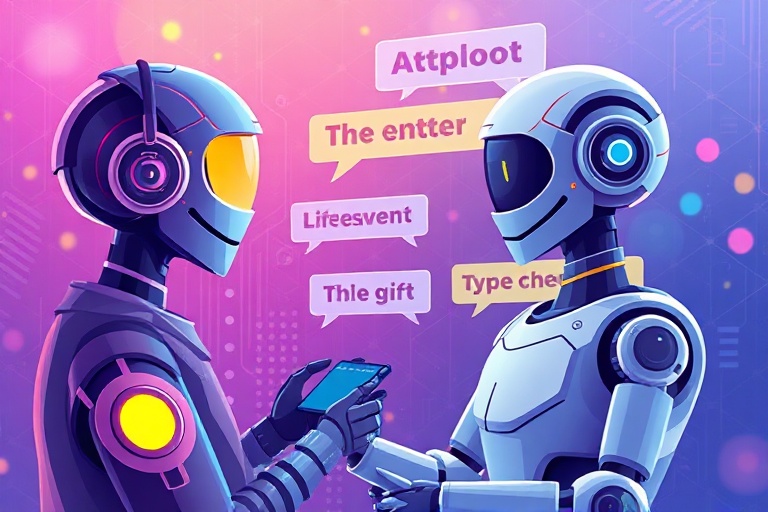
The Rise of Conversational Ads in AI Platforms: Understanding How ChatGPT is Integrating Advertising into Its User Experience
The landscape of digital advertising is evolving rapidly, and one of the most significant changes is the emergence of conversational ads on AI platforms, particularly within conversational agents like ChatGPT. These integrations not only provide a new avenue for brands to reach consumers but also enhance the user experience in unique ways. This article delves into the rise of conversational ads, how they are being integrated into ChatGPT, and the implications for industries and consumers alike.
What Are Conversational Ads?
Conversational ads are interactive advertisements that engage users in a dialogue, typically within messaging environments or chat interfaces. Unlike traditional ads that present static content, conversational ads leverage the capabilities of AI to create a two-way interaction. This allows brands to gather insights, respond to user inquiries, and drive more authentic engagement.
- Interactive Engagement: Users can ask questions and receive immediate responses, making the ad experience feel more personalized.
- Data Collection: Brands can gather valuable consumer insights through conversational interactions, which can refine marketing strategies.
- Real-Time Feedback: Companies can adjust campaigns based on user reactions and preferences in real time.
The Integration of Conversational Ads in ChatGPT
ChatGPT, developed by OpenAI, has gained significant attention for its ability to generate human-like text responses. With its broad user base and advanced natural language processing capabilities, integrating conversational ads into ChatGPT is a natural progression. Here’s how this integration is taking shape:
- Contextual Relevance: Ads are tailored based on user interactions and the context of the conversation, ensuring that the advertising content is relevant and timely.
- Seamless Experience: Advertisements are designed to flow naturally within the conversation, minimizing disruptions and enhancing user engagement.
- Personalized Recommendations: By analyzing user data and preferences, ChatGPT can provide personalized product suggestions, making the ads feel less like traditional marketing and more like helpful recommendations.
Practical Insights for Brands
The rise of conversational ads presents unique opportunities for brands looking to engage with consumers effectively. Here are some practical insights for businesses considering this advertising approach:
- Embrace Personalization: Utilize user data to create ads that resonate on an individual level. The more personalized the interaction, the higher the likelihood of conversion.
- Focus on User Experience: Ensure that ads enhance the conversation rather than interrupt it. A seamless experience is critical for maintaining user interest.
- Leverage AI Analytics: Use AI tools to analyze user interactions and feedback to refine ad content continuously. This iterative process can lead to more effective campaigns.
Industry Implications
The integration of conversational ads into platforms like ChatGPT has profound implications for various industries:
- Retail: Brands can engage customers during their shopping journey, providing product information and personalized recommendations that can lead to increased sales.
- Travel: Travel services can offer personalized itineraries and real-time updates, enhancing customer satisfaction and loyalty.
- Healthcare: Healthcare providers can use conversational ads to disseminate information about services or wellness programs, fostering a better understanding among patients.
Future Possibilities
As technology continues to advance, the potential for conversational ads within AI platforms is limitless. Here are some future possibilities to consider:
- Advanced AI Capabilities: With ongoing improvements in AI and machine learning, conversational ads will become even more sophisticated, providing richer interactions and deeper insights.
- Integration with Other Technologies: Expect more integration with augmented reality (AR) and virtual reality (VR), where users can interact with ads in immersive environments.
- Greater User Control: Users may gain more control over their ad experiences, allowing them to choose how they engage with brands, leading to higher satisfaction rates.
Conclusion
The rise of conversational ads in AI platforms like ChatGPT signifies a paradigm shift in how brands communicate with consumers. By embracing this innovative approach, businesses can foster deeper connections, drive engagement, and enhance user experiences. As the technology evolves, the potential for personalized and interactive advertising will undoubtedly reshape the future of marketing, creating a more dynamic and responsive relationship between brands and consumers.