Claude Opus 4.8: A Game Changer for AI Workflows
The recent release of Claude Opus 4.8 has ushered in a new era for artificial intelligence workflows, promising to enhance efficiency and usability across various sectors. This update not only introduces a host of new features but also significantly improves existing functionalities, making it an essential tool for AI enthusiasts and professionals alike. Let’s delve into the exciting new aspects of Claude Opus 4.8 and explore its implications for the industry.
Key Features of Claude Opus 4.8
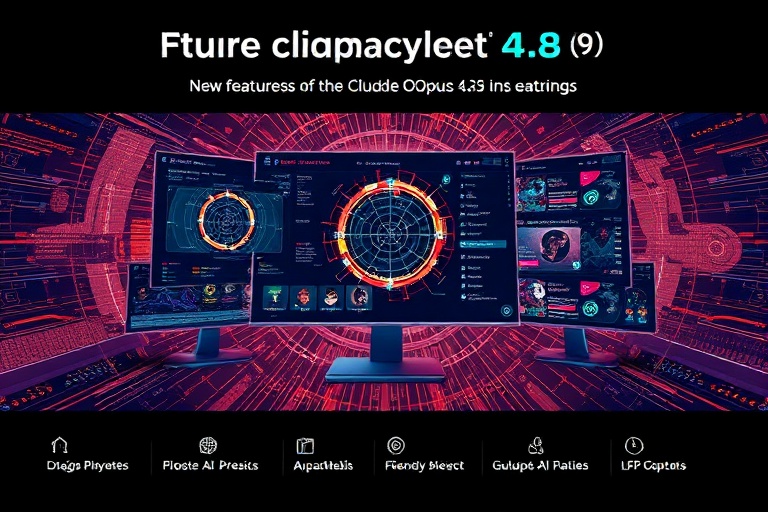
Claude Opus 4.8 comes packed with innovative features designed to streamline AI workflows. Here are some highlights:
- Enhanced Natural Language Processing (NLP): The update boasts improved NLP capabilities, allowing for more nuanced understanding and generation of human-like text. This enhancement is crucial for applications in customer service, content creation, and conversational AI.
- Automated Workflow Integration: Claude Opus now supports seamless integration with popular workflow automation tools. This means users can automate repetitive tasks, significantly reducing the time spent on mundane processes.
- Multi-Modal Capabilities: The latest version introduces multi-modal functionalities, enabling users to process and generate data across different formats, including text, images, and audio. This is a game changer for industries like marketing and media.
- Real-Time Collaboration Tools: With built-in collaboration features, teams can now work together in real-time, sharing insights and data without the need for external software.
- Customizable AI Models: Users can now customize AI models according to their specific needs, enhancing the adaptability of Claude Opus across various sectors.
Efficiency Improvements
Beyond new features, Claude Opus 4.8 has made substantial improvements in efficiency:
- Faster Processing Speeds: The update optimizes processing algorithms, resulting in quicker data handling and analysis. Users can expect to see a reduction in latency, which is crucial for real-time applications.
- Resource Management: The latest version includes better resource allocation techniques, allowing for more effective use of system resources, thus improving overall performance.
- User Interface Overhaul: A more intuitive user interface makes navigation easier, allowing users to focus on their tasks rather than struggling with the software.
Practical Insights for Users
For professionals looking to leverage Claude Opus 4.8, it is essential to understand how these new features can be applied in real-world scenarios:
- Content Creation: With enhanced NLP capabilities, content creators can generate high-quality articles and marketing materials with minimal effort, allowing for greater creative freedom.
- Data Analysis: Analysts can utilize the faster processing speeds to handle larger datasets more effectively, deriving insights that can drive strategic decisions.
- Customer Engagement: Businesses can employ the multi-modal capabilities to create engaging customer interactions, using chatbots and personalized content in various formats.
- Remote Collaboration: Teams working remotely can benefit from the real-time collaboration tools, fostering innovation and ensuring everyone stays aligned despite physical distances.
Industry Implications
The advancements brought by Claude Opus 4.8 have significant implications for various industries:
- Marketing and Advertising: The ability to generate personalized content quickly can lead to more targeted campaigns, ultimately driving higher engagement rates and conversions.
- Healthcare: Improved NLP can enhance patient interactions through more effective communication tools, helping practitioners provide better care.
- Education: Educators can use multi-modal capabilities to create more interactive learning experiences, catering to diverse learning styles.
Future Possibilities
Looking ahead, the potential of Claude Opus 4.8 is immense. As AI technology continues to evolve, we can expect:
- Increased Adoption Across Sectors: As businesses recognize the value of AI in improving efficiency, we can anticipate wider adoption of platforms like Claude Opus.
- Continuous Feature Expansion: Future updates may include even more advanced features, further bridging the gap between human and machine interaction.
- Ethical AI Development: With growing concerns over AI ethics, Claude Opus may incorporate features that promote responsible AI use, ensuring compliance with emerging regulations.
In conclusion, Claude Opus 4.8 represents a significant leap forward in the realm of AI workflows. By enhancing existing functionalities and introducing new features, it empowers users to unlock new levels of productivity and innovation. As industries continue to adapt to these advancements, the future of AI looks brighter than ever.