Humanoid Robots in Logistics: China’s Innovative Approach
In the rapidly evolving landscape of logistics, humanoid robots have emerged as a game-changer, particularly in China. With the world’s largest population and a burgeoning e-commerce market, China’s logistics sector is under constant pressure to enhance efficiency and speed. The integration of humanoid robots into mail sorting and delivery processes symbolizes a significant leap towards achieving these goals.
Revolutionizing Mail Sorting
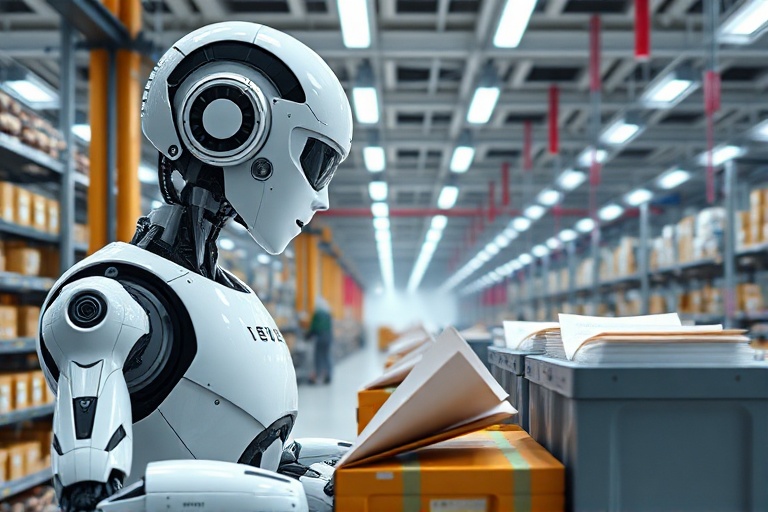
At the heart of China’s logistics innovation lies the implementation of humanoid robots in mail sorting facilities. These robots are designed to handle various tasks traditionally performed by human workers, offering numerous advantages:
- Increased Speed: Humanoid robots can operate at a pace that exceeds human capabilities, significantly decreasing the time required for sorting mail.
- Consistent Accuracy: Equipped with advanced AI and image recognition technologies, these robots minimize sorting errors, ensuring higher accuracy in package delivery.
- 24/7 Operations: Unlike human workers, humanoid robots can function continuously without breaks, maximizing productivity around the clock.
For example, logistics companies like JD.com have deployed humanoid robots that utilize machine learning algorithms to continuously improve their sorting capabilities. As these robots interact with their environment, they learn from past experiences, optimizing their routes and methods in real-time.
Enhancing Delivery Efficiency
In addition to sorting, humanoid robots are also revolutionizing the last-mile delivery process. The last mile is often the most challenging part of logistics, and humanoid robots offer innovative solutions:
- Autonomous Navigation: Many humanoid robots are equipped with sophisticated navigation systems that allow them to traverse urban environments safely and efficiently.
- Real-Time Tracking: Customers can track their deliveries in real-time, receiving updates on the robot’s location and estimated arrival times.
- Cost Reduction: By automating delivery, companies can reduce labor costs and allocate resources more effectively.
Leading companies in China, such as Alibaba, have begun employing delivery robots that can navigate sidewalks and streets, delivering packages directly to customers’ doorsteps. This not only enhances customer satisfaction but also reduces the carbon footprint associated with traditional delivery methods.
Practical Insights and Industry Implications
The integration of humanoid robots in logistics extends beyond mere efficiency; it also raises important questions about job displacement and the future of work. Here are some practical insights for industry stakeholders:
- Job Transformation: While automation may eliminate certain jobs, it also creates new roles in robot maintenance, programming, and supervision.
- Investment in Technology: Companies must invest in advanced AI and robotics technologies to stay competitive, emphasizing the need for collaboration between tech firms and logistics providers.
- Consumer Acceptance: The success of humanoid robots in logistics relies on consumer acceptance. Companies must focus on educating customers about the benefits of robotic delivery.
By embracing these changes, logistics companies can not only improve their operational efficiency but also position themselves as innovators in a fiercely competitive market.
Future Possibilities
The potential for humanoid robots in logistics is vast and largely untapped. As AI technology continues to advance, we can expect several exciting developments:
- Enhanced AI Capabilities: Future humanoid robots will likely possess even more advanced AI systems, enabling them to handle complex tasks, such as customer service interactions.
- Integration with Drones: Combining humanoid robots with drone technology could lead to hybrid delivery systems that optimize both ground and aerial logistics.
- Global Expansion: As the technology matures, we may see humanoid robots being deployed in logistics operations worldwide, not just in China.
In conclusion, China’s innovative approach to incorporating humanoid robots into logistics is not just a technological advancement; it represents a shift in how the industry operates. As these robots continue to evolve, they promise to redefine efficiency, accuracy, and customer satisfaction in the logistics sector.