Smartphone Cameras as Health Monitors: The Future of Personal Health
In recent years, the integration of technology into our daily lives has transformed how we manage our personal health. One of the most groundbreaking innovations in this area has been the ability of smartphones to function as health monitors. With Google leading the charge, smartphone cameras are now able to perform pulse measurements using just the front camera, setting the stage for a future where personal health tracking becomes ubiquitous and effortless.
The Innovation Behind Pulse Monitoring
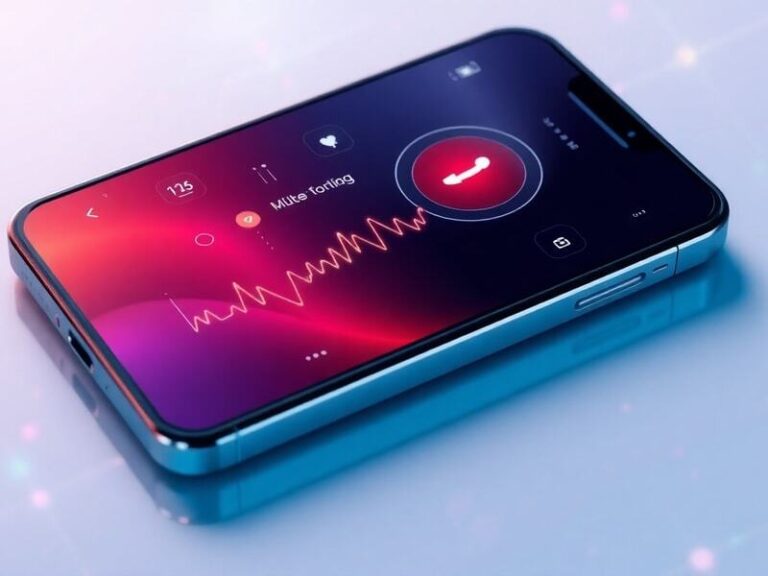
The concept of using smartphone cameras for health monitoring isn’t entirely new, but Google’s recent advancements have taken it to a new level. By leveraging machine learning and computer vision, Google has developed algorithms capable of analyzing subtle changes in the color of the skin, which correlate with blood flow and pulse rate. This technology operates through a straightforward process:
- Camera Activation: The user activates the front camera and positions their face within the frame.
- Image Analysis: The algorithm detects and analyzes color variations in the user’s skin tone.
- Pulse Calculation: Based on these color changes, the algorithm calculates the user’s pulse rate in real-time.
This breakthrough represents a significant step forward in the way health data is collected. It eliminates the need for additional hardware, making pulse monitoring accessible to anyone with a smartphone.
Practical Insights into Health Monitoring
The implications of this technology are vast. Here are some practical insights into how smartphone cameras as health monitors can reshape personal health management:
- Accessibility: With pulse monitoring available on most smartphones, individuals can easily track their health without the need for expensive devices or medical appointments.
- Preventive Healthcare: Regularly monitoring vital signs can encourage users to seek medical advice when necessary, potentially catching health issues early.
- Integration with Health Apps: This technology can be integrated into existing health apps, allowing for comprehensive health tracking and personalized recommendations.
- Data Privacy: Users can maintain control over their health data, as it is processed on-device rather than being sent to external servers.
Industry Implications
The incorporation of smartphone cameras as health monitors has significant implications for various sectors:
- Healthcare Providers: Doctors and healthcare professionals could utilize data collected from patients’ smartphones to enhance telemedicine consultations and personalize treatment plans.
- Insurance Companies: Health insurers may start rewarding users for proactively monitoring their health, leading to lower premiums and incentivizing healthier lifestyles.
- Wellness Industry: Fitness and wellness companies can leverage this technology to create targeted products and services that encourage users to engage in healthier behaviors.
Future Possibilities
The future of smartphone cameras as health monitors is bright and full of possibilities. Here are some potential developments we might see in the coming years:
- Expanded Health Metrics: Beyond pulse monitoring, future innovations could enable smartphones to measure other vital signs, such as respiratory rate, blood oxygen saturation, or even stress levels through facial recognition.
- AI-Driven Health Insights: Advanced AI algorithms could analyze collected health data over time, providing users with personalized insights, reminders, and actionable advice tailored to their health needs.
- Integration with Wearables: Smartphone health monitoring could complement wearable devices, creating a comprehensive ecosystem that tracks various health metrics seamlessly.
- Regulatory Approvals: As smartphone health monitoring becomes more prevalent, we may see increased regulatory scrutiny and the establishment of standards to ensure accuracy and reliability.
As these technologies evolve, it will be crucial for developers, healthcare professionals, and regulators to work together to address challenges such as data privacy, accuracy, and user trust. However, with the right balance, smartphone cameras could redefine personal health management, making it more integrated, accessible, and effective than ever before.
The era of healthcare powered by smartphones is just beginning, and as innovations like Google’s pulse monitoring technology gain traction, we can expect a transformation in how we perceive and manage our health. The future is not just about tracking health; it’s about empowering individuals to take charge of their wellbeing with the technology they already have at their fingertips.